How to style your wardrobe
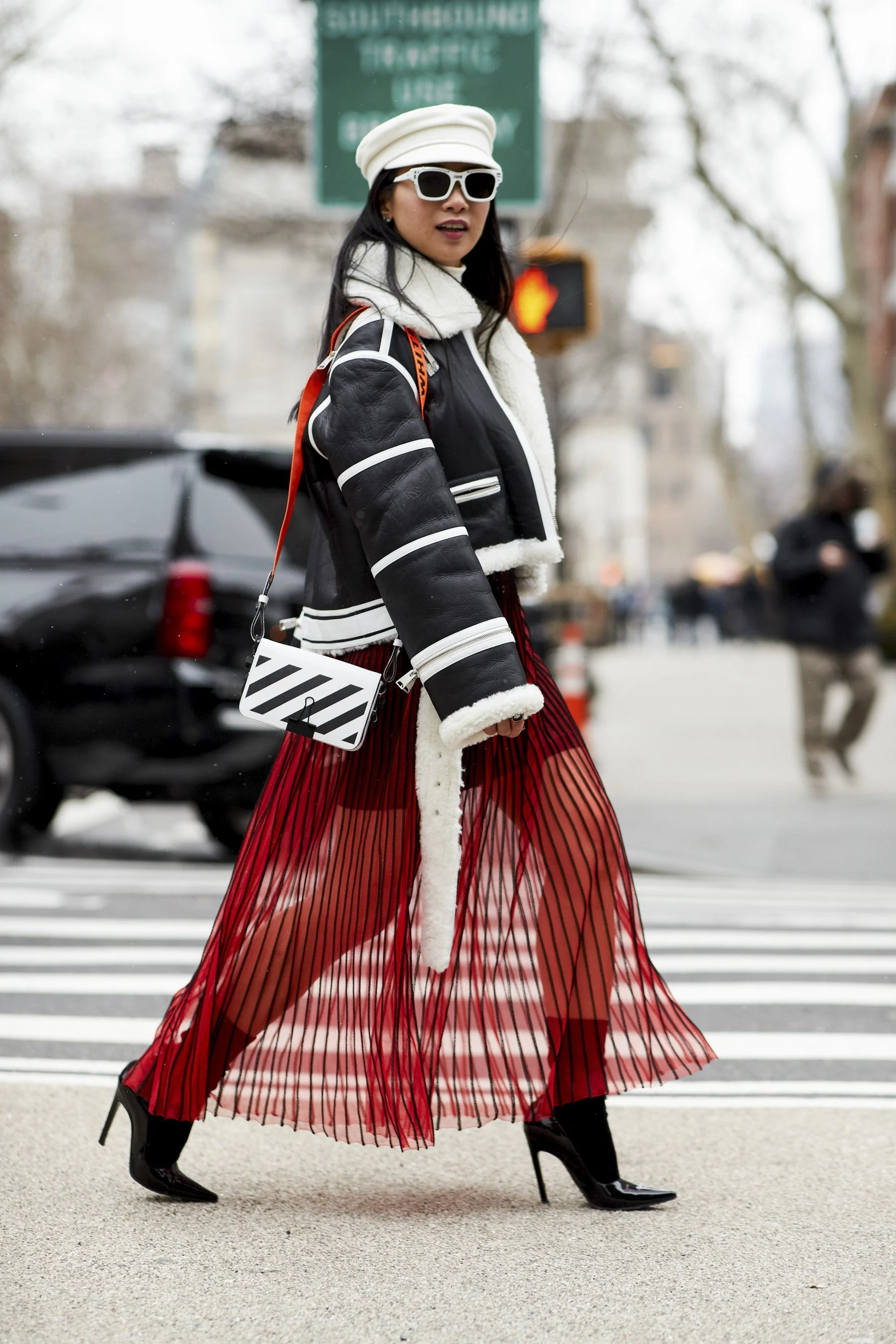
NYFW 2025
Ugh, doesn’t it feel overwhelming trying to figure out how to style your outfits? From choosing the right colors and fabrics to deciding which brands work best for your look, getting dressed can sometimes feel like solving a puzzle. But what if I told you there’s a simple, easy solution that can completely upgrade your wardrobe—and wipe away all that stress? Luckily, there is! In this guide, I’m going to walk you through a step-by-step process that takes the guesswork out of styling, helping you create outfits that look effortless, polished, and totally you.
Building a wardrobe that is both practical and stylish can seem like a big task. With so many options for clothes, patterns, and accessories, it’s easy to feel unsure about where to begin. By taking things step by step, though, anyone can put together a wardrobe that matches their style and fits their daily needs. Here are some key steps to help you get started.
The first step in building a wardrobe is understanding your body type. Recognizing whether you have an hourglass, pear, apple, rectangle, or inverted triangle shape helps you select clothing that flatters your natural proportions. For example, someone with a pear-shaped body might focus on highlighting the waist and balancing the lower body with A-line skirts or wide-leg trousers. Understanding your body type ensures that your clothing choices enhance your appearance rather than creating an unbalanced silhouette.
Once you understand your body, the next step is creating a capsule wardrobe. A capsule wardrobe comprises versatile pieces that can be mixed and matched to create a multitude of outfits. Essential items include a crisp white shirt, a well-fitting pair of jeans, a tailored blazer, a little black dress, and a classic t-shirt. Investing in high-quality basics ensures that your wardrobe forms a reliable foundation, reducing the stress of outfit planning and helping you look polished every day.
Matching colors is very important when putting together a wardrobe that looks good. Beginners should learn some simple ideas about how colors work together, like which colors look good side by side or which ones are similar. This helps you match clothes well, like wearing neutral colors with bright ones or trying outfits in different shades of the same color for a stylish look. Knowing how colors work together makes your outfits look good and easy to mix and match.
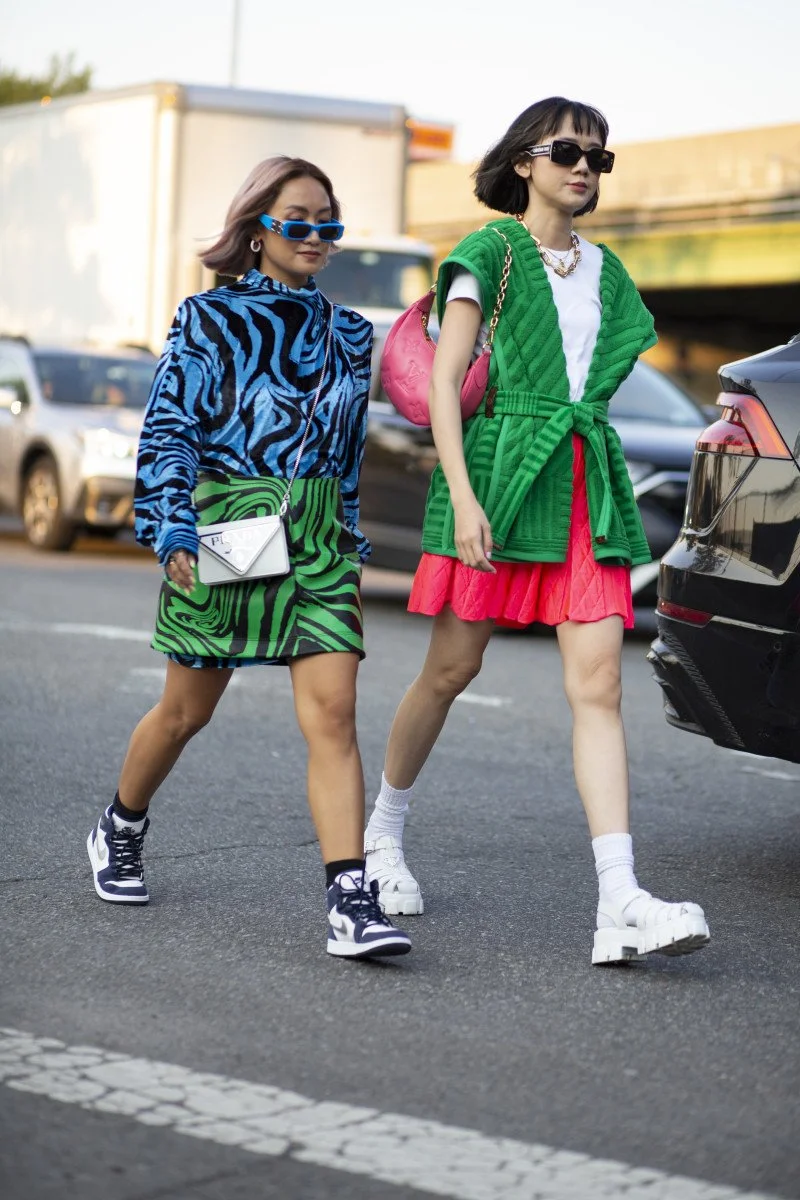
Besides playing with color, trying out different patterns and shapes can make your wardrobe more interesting. Begin with simple prints like stripes or polka dots, then move on to bolder designs as you get comfortable. Mixing patterns with solid colors helps your outfit look balanced. You can also switch up your look by wearing wide-leg pants, A-line skirts, or maxi dresses. Adding layers, like a long cardigan over a fitted shirt or a jacket over a flowy dress, gives your outfit more texture and depth.
Accessories and attention to detail are the final steps in finding your wardrobe. Key accessories, such as statement necklaces, scarves, classic watches, and handbags, can transform a basic outfit into a polished look. Shoes should complement the outfit, and grooming—including hair and nails—plays a subtle but critical role in presenting a put-together appearance. Over time, identifying elements that define your personal style, such as a preferred color palette or signature accessory, will make shopping easier and help your wardrobe feel uniquely yours.
To sum up, building a wardrobe means learning what works for your body, choosing versatile basics, matching colors, trying out different patterns and shapes, and focusing on the right accessories. If you follow these steps, you can put together a wardrobe that fits your style and makes getting dressed each day easier. A good wardrobe not only saves time but also helps you feel more confident and show off your personal style.
