London Fashion Week 2026: Redefining Bold
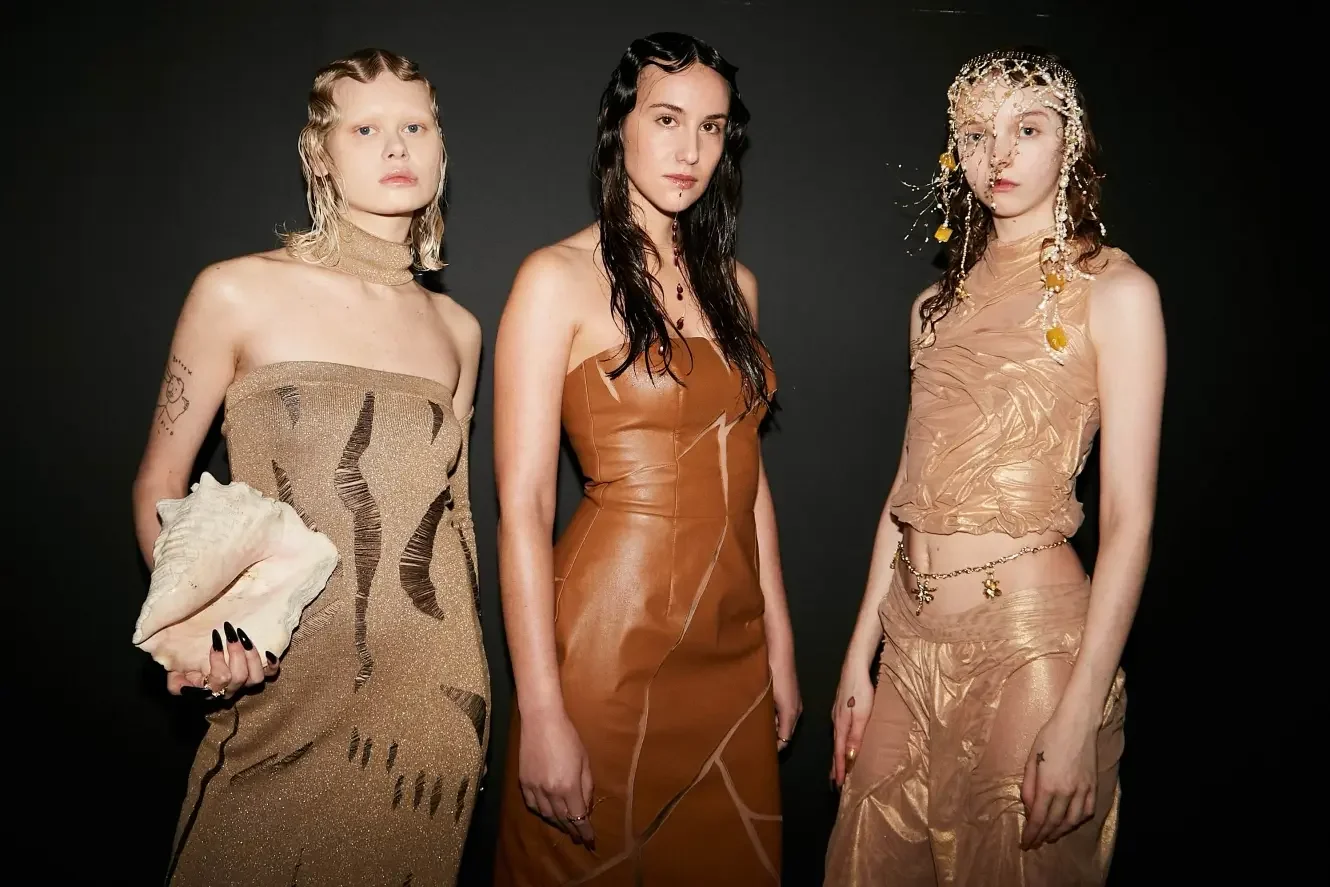
The last season of London Fashion Week (LFW) makes a powerful statement about the direction of winter fashion. The occasion proved once more why London is one of the fashion capitals of the globe. Globally, London is regarded as a hub for creativity and avant-garde design. For the Fall/Winter 2026–2027 season, designers concentrated on luxurious fabrics, architectural layering, and the seamless blending of casual and couture aspects. The result was a striking take on winter style that balances practicality and artistic expression. The runways featured elaborate fabric combinations, sculptural tailoring, and oversized shapes that offered a novel approach to dressing for the cold. The discussion was driven by prominent British fashion firms. Burberry featured sophisticated outerwear with a strong history, while Erdem showcased romantic forms and intricate detailing. Simone Rocha continued to explore femininity with dramatic layering and decorations, while Richard Quinn brought theatrical flair with eye-catching patterns and sculptural forms. Designers like Temperley London and Emilia Wickstead, whose stunning creations combined classic tailoring with modern finesse, completed the list. The direction of the season was greatly influenced by up-and-coming designers in addition to the well-known brands. Their daring inventiveness and creative methods gave the runway fresh vitality and strengthened London's standing as a city where innovation and tradition coexist.
Gothic Romanticism
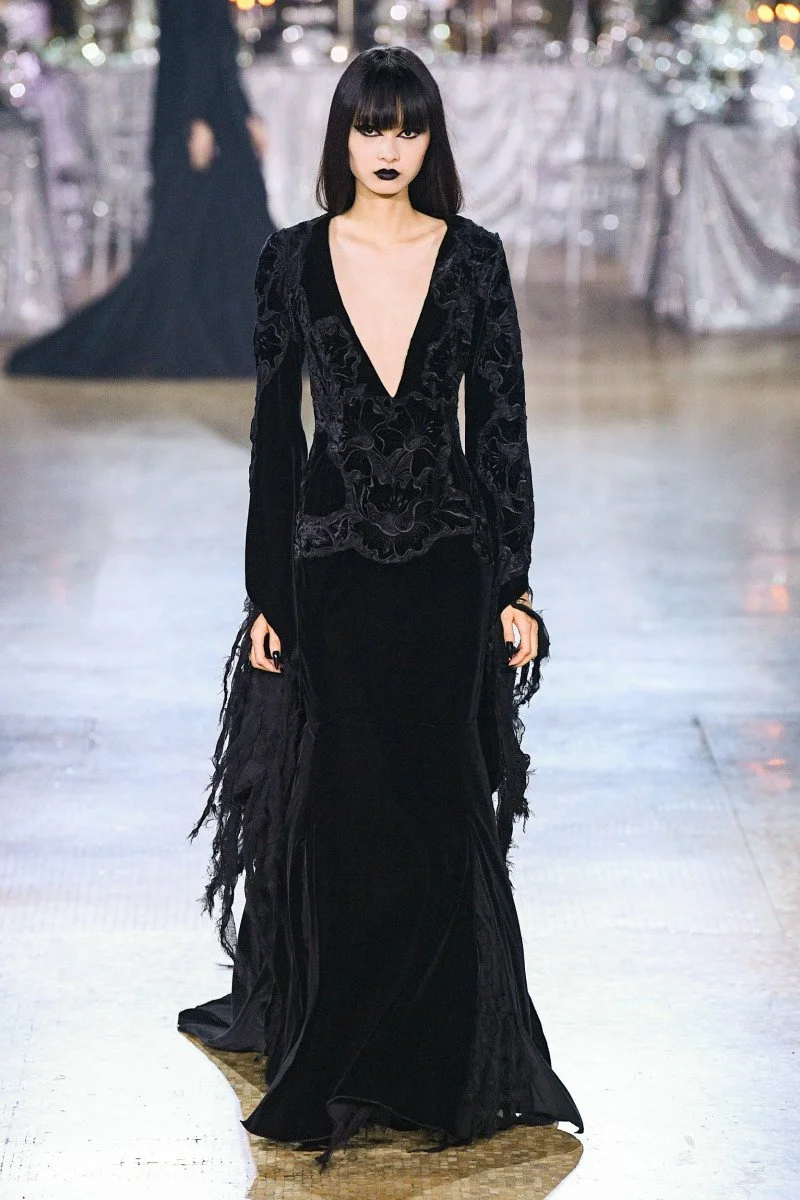
Dark romantic fashion has seen a discernible comeback as movies like Nosferatu, Frankenstein, and The Bride become contemporary gothic fantasy classics. These movies reintroduced viewers to eerily lovely aesthetics, such as dramatic shapes, dark color schemes, and emotionally driven narratives, all of which have had a growing impact on modern fashion design. The visual worlds created in these films emphasize elements traditionally associated with gothic romance: flowing garments, intricate lace, high collars, corsetry, and deep, moody tones such as black, burgundy, and midnight blue. These cinematic nuances have served as inspiration for designers, who have incorporated them into runway collections that combine contemporary shapes with historical allusions. The end product is attire that echoes the uncanny elegance and emotional intensity exhibited on film, seeming both theatrical and wearable. In other collections, a more somber, romantic style also surfaced. Designers employed rich jewel tones, dramatic silhouettes, and elaborate embellishments like lace, ruffles, and embroidery, all of which were influenced by medieval and gothic aspects. Richard Quinn and Erdem used dramatic patterns and intricately patterned textiles to embrace this vibe.
Texture, Dramatic Volume and Proportion
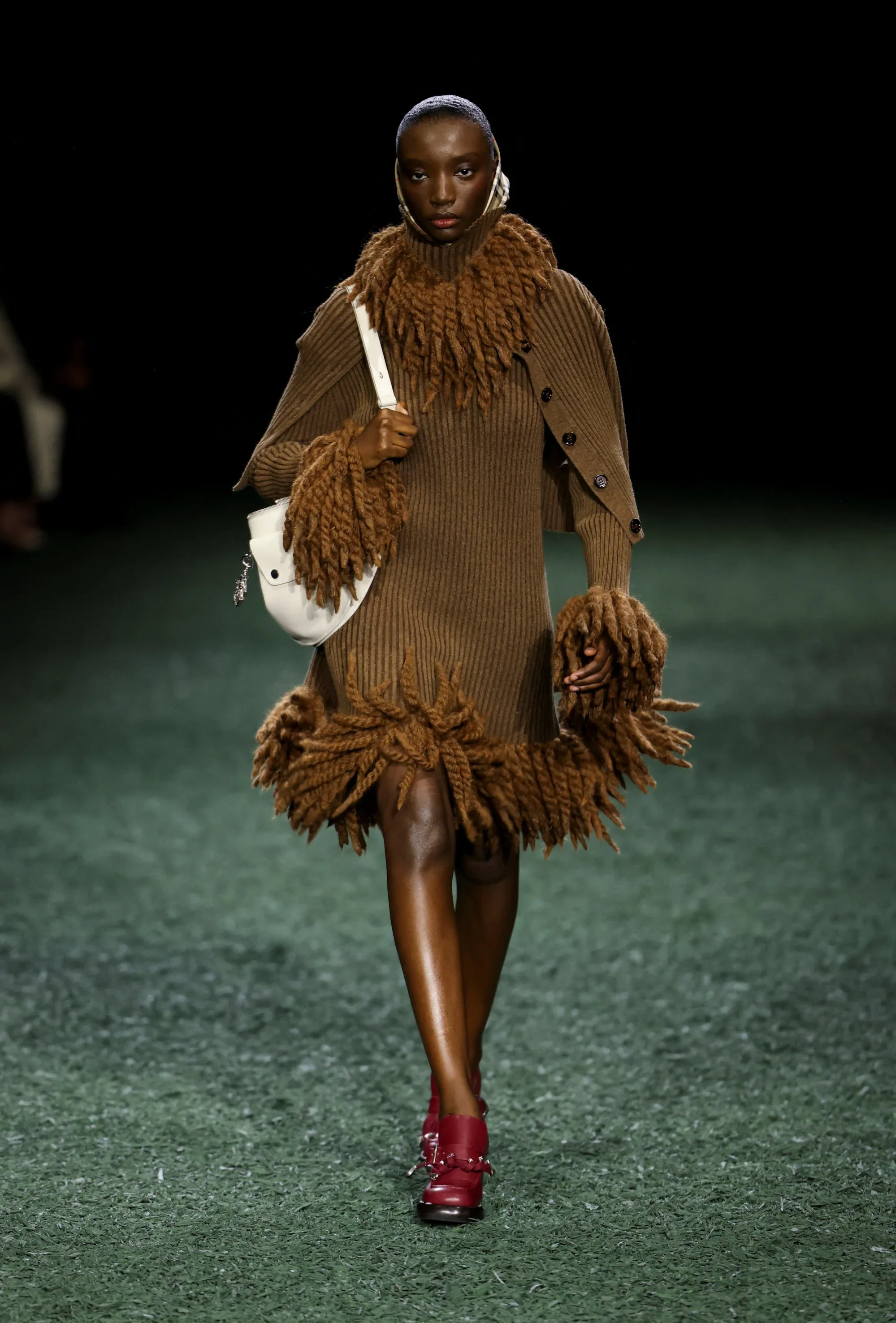
Two of the most prominent themes on the runway were architectural layering and sculptural tailoring. Designers approached garments almost as structural objects, concentrating on form, proportion, and engineering forms. Burberry updated structured trench coats with exaggerated shoulders, multi-layered collars, and well-defined waistlines. Traditional gabardine, Burberry's signature cotton fabric, was reinforced with tougher wool blends and layered panels to maintain its shape while allowing movement. Meanwhile, Emilia Wickstead showcased tight coats and dresses with incorporated corsetry and body-shaping seams. These methods result in clothing that holds dramatic forms rather than merely hanging spontaneously. This pattern suggests that society is becoming more enthusiastic about artistic expression and daring clothing.
As these runway designs make their way into ready-to-wear fashion, consumers may embrace jackets, blazers, and structural layers as essential elements of their winter wardrobe, emphasizing bold individual flair and self-assurance. The catwalk also emphasized tactile richness and a variety of textures, with outerwear featuring fake fur, velvet accents, metallic finishes, and quilted fabrics. A single ensemble of contrasting materials, like silk placed beneath leather or soft wool with glossy vinyl, produced visually and tactilely captivating clothing. Hoodies and graphic shirts worn over fitted jackets and skirts are examples of how casual clothing blended with luxury. This trend indicates that streetwear and high fashion will continue to blend together, making winter ensembles both functional and expressive.
Heritage Tailoring
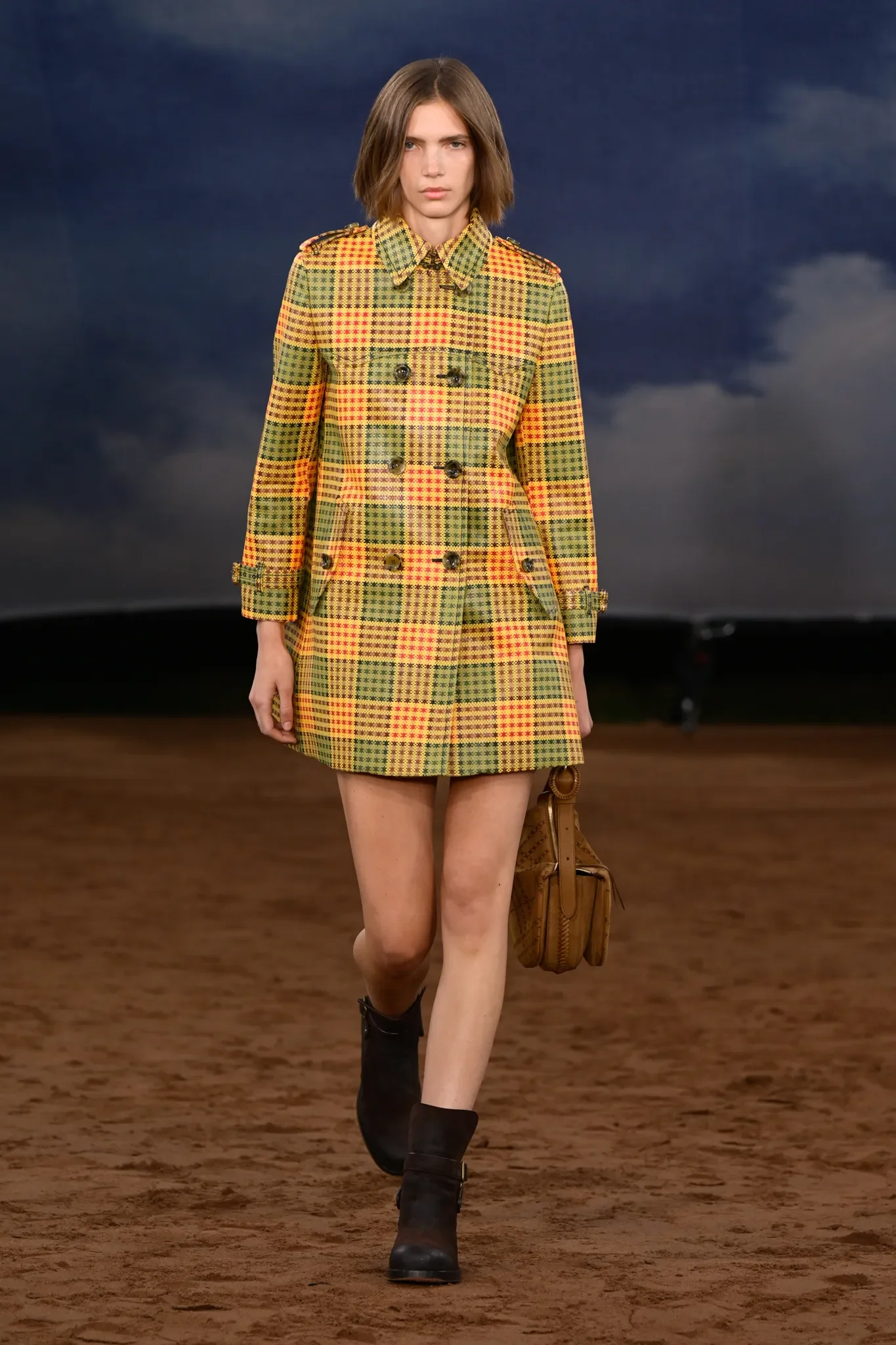
One trend that is expected to grow in the fall of 2026 is the revival of historical tailoring. Many designers updated classic British tailoring methods with contemporary shapes. Traditional trench coats and structured blazers at Burberry were made from thick twill fabrics and wool gabardine, maintaining the durability and weather resilience that are characteristic of British outerwear. With their lengthy forms, clean lines, and sharp lapels, these garments highlighted elegance and structure. This return to traditional tailoring reflects a broader societal desire for classic design goods that mix appearance and usefulness. As consumers become more conscious of sustainability and long-term wardrobe investment, tailored clothing that lasts many seasons may gain popularity.
Designers Leading the Season
Renowned designers innovated within their characteristic codes while reinforcing their identities. Burberry combined traditional craftsmanship with modern tailoring, while Simone Rocha added strong volumetric forms to her lexicon of romantic silhouettes. With their modular designs, unusual materials, and narrative-driven collections, up-and-coming designers like Clio Peppiatt and Aaron Esh pushed limits. These newcomers signal a shift toward experimental, story-focused fashion, ensuring London remains a laboratory for innovation and a platform for new voices.
Conclusion
Fall/Winter 2026–27 at London Fashion Week demonstrates a season defined by layered architecture, textural richness, and narrative-driven design. Established designers and rising talent collectively shape trends that balance heritage with innovation, romance with strength, and practicality with self-expression. This season positions winter fashion not merely as clothing for warmth but as a medium for storytelling and individual identity, with tactile, layered, and visually dynamic garments dominating both runways and everyday wardrobes.
