Yucatán, Mexico
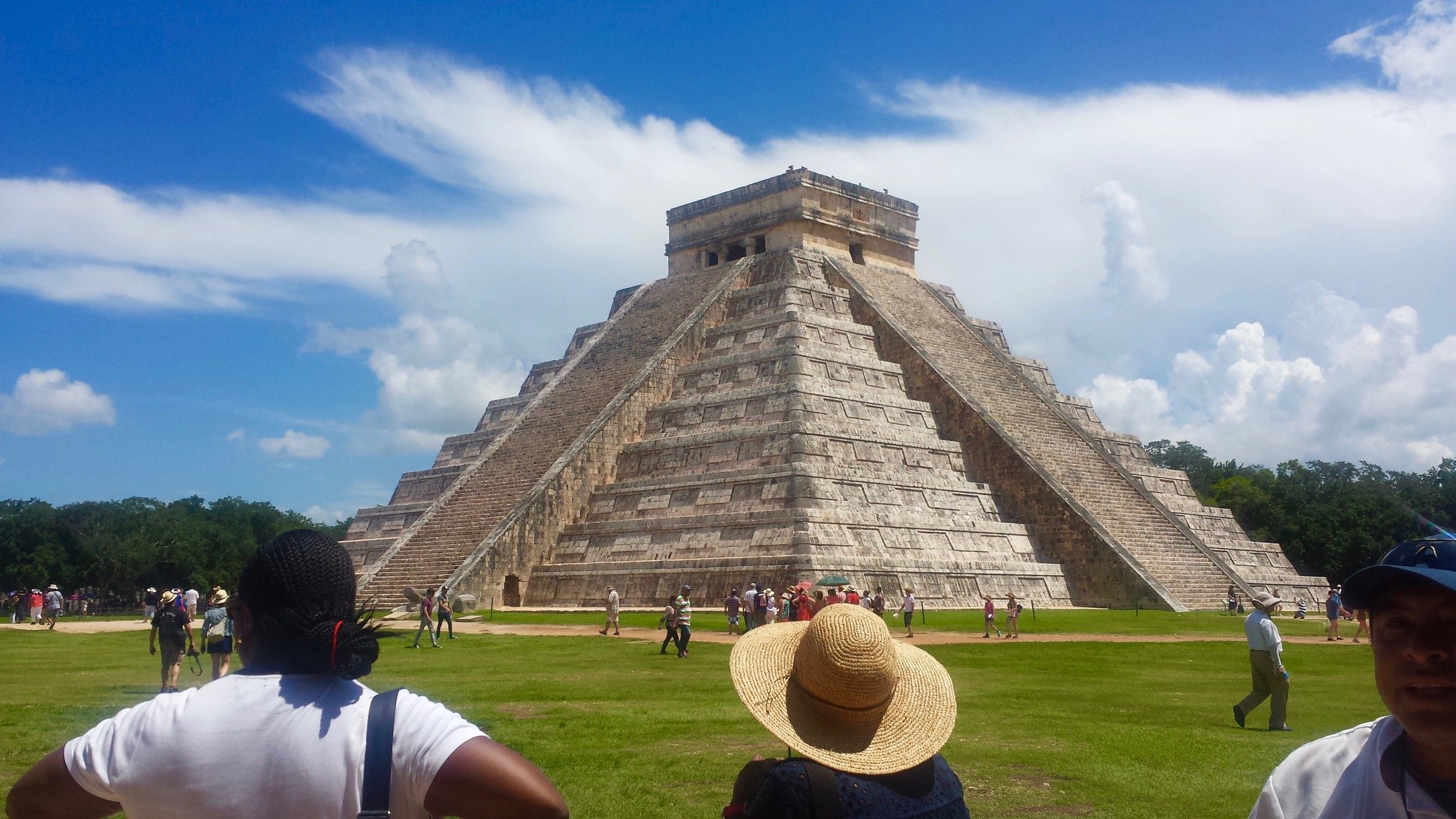
Chichén Itzá, 6/2016
When I traveled to Mexico as a teen, I learned a great deal about the country’s history, culture, and people, especially the lasting influence of the Mayan civilization. I was surprised to see how many traditions from ancient times are still practiced today. For example, maize remains a staple food, and many festivals and beliefs are still closely connected to nature and agriculture, just as they were for the Mayans. Seeing this connection made me realize that the Mayans are not just part of the past but an important influence on present-day Mexican culture. During my visit, I was especially fascinated by Chichén Itzá, which helped bring this history to life for me.
Learning about colonialism and religious influence also changed how I view history. The Mayans fought hard to protect their land, beliefs, and way of life, and their resistance reminded me of struggles that still exist in the world today. I believe history does not simply repeat itself but instead moves in cycles, where similar patterns continue to appear across different time periods. During a guided tour, I learned details that I had not fully learned in school. I learned that in 1527, Francisco de Montejo attempted to conquer the Yucatán but was defeated by the native population. He returned years later with his son and failed again before finally succeeding in 1537. The Spanish founded cities like Campeche and Mérida, often through violence and cruelty toward Indigenous people. Resistance continued long after, including the 1761 rebellion led by Jacinto Canek, which ended in his execution. Eventually, Mexico gained independence from Spain in 1821, and the Yucatán became part of the new nation.
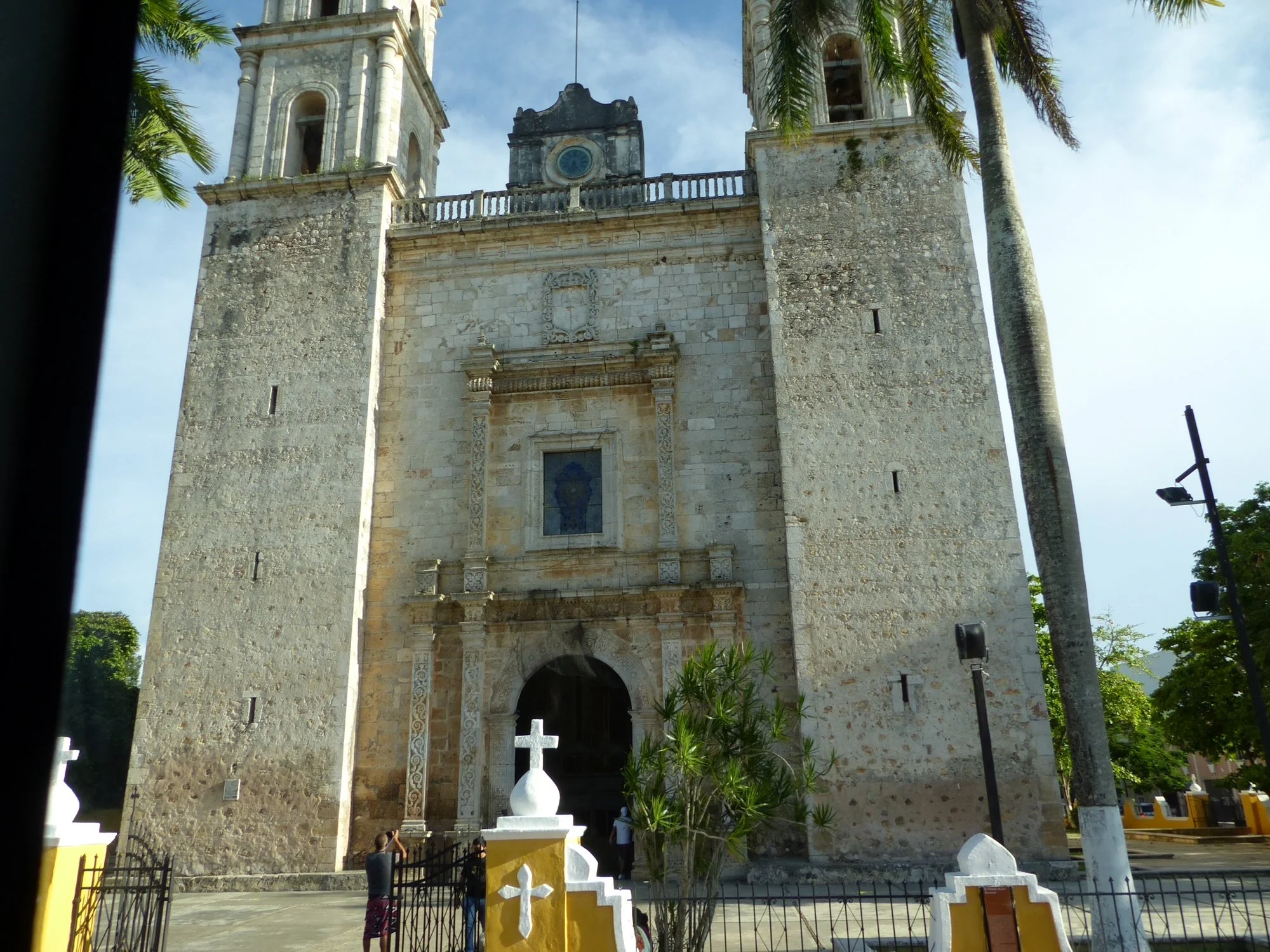
San Servacio Church
Chichén Itzá helped me understand why the Mayans built such powerful cities. It was created as a religious, political, and economic center, dedicated to honoring the gods and organizing society. Structures like the Temple of Kukulkán show how deeply the Mayans understood astronomy and time, especially through its alignment with the sun during the equinoxes. The city’s location near cenotes also made it an important trade hub and a sustainable place to live. Visiting Chichén Itzá made me realize that these structures were not only architectural achievements but also symbols of Mayan knowledge, resistance, and identity. Overall, my experience in Mexico taught me how political power, religious influence, and spiritual beliefs still play a huge role in society today.
