Black History Month: Inside Decades of Fashion
Black fashion has always been more than just about appearance. Throughout history, it has been shaped by social challenges, political struggles, cultural pride, and creative resistance. Each decade reflects what Black communities were experiencing at the time—whether facing enslavement’s aftermath, segregation, discrimination, or the fight for visibility and self-definition. Today, Black History Month honors not only achievements in politics, sports, and the arts, but also the ways fashion visually expresses these struggles and triumphs.
Edwardian Era
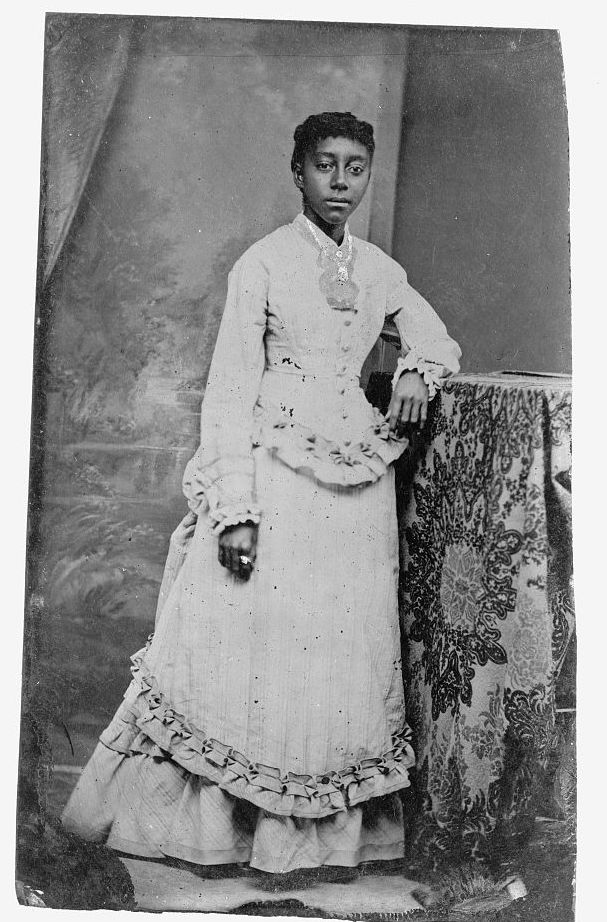
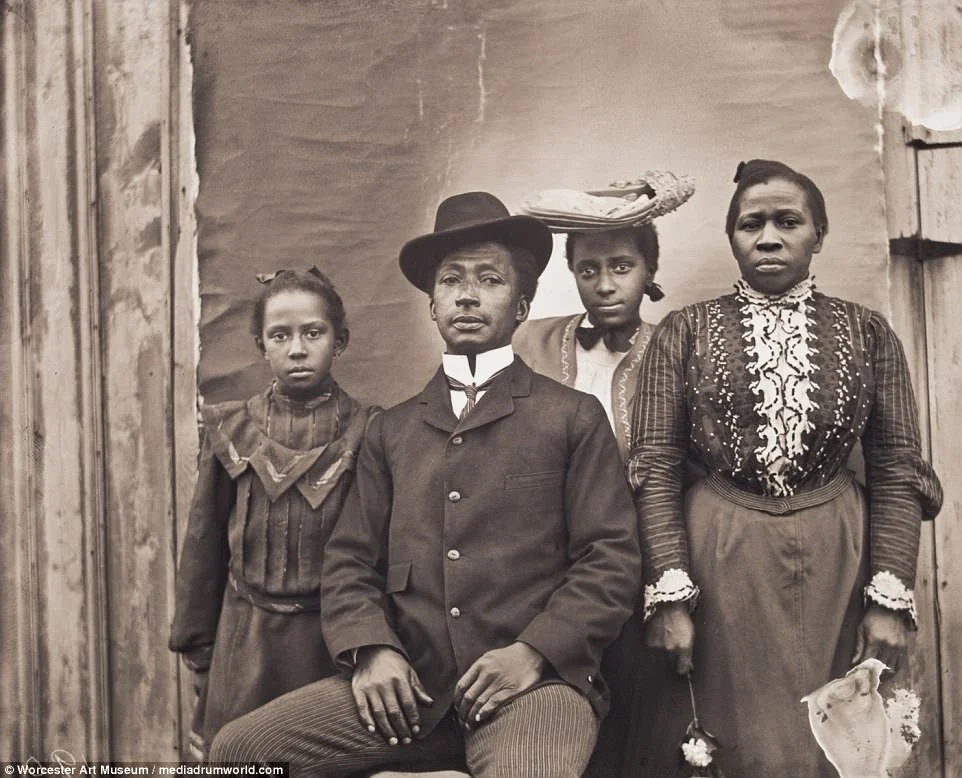
Black Americans were adjusting to life after slavery in the early 1900s while dealing with the harsh reality of racial violence, Jim Crow legislation, and economic marginalization. Due of limited access to public areas, work opportunities, and education, beauty was a vital survival and respect-gaining strategy. Fashion emphasized respectability and refinement to counter racist stereotypes that portrayed Black people as inferior. Men wore wool or cotton tailored suits, polished leather shoes, waistcoats, and hats such as fedoras or bowler hats. Women wore long, modest gowns made of mixes of silk or cotton, frequently accessorized with wide-brimmed hats, structured jackets, corsets, and gloves. Hair was typically straightened or carefully styled to meet Eurocentric standards of professionalism. Figures like Madam C.J. Walker built beauty empires around hair care, while leaders such as W.E.B. Du Bois promoted dignity, education, and excellence. Fashion during this era reflected ambition, discipline, and quiet resistance.
The Harlem Renaissance (20’s & 30’s)
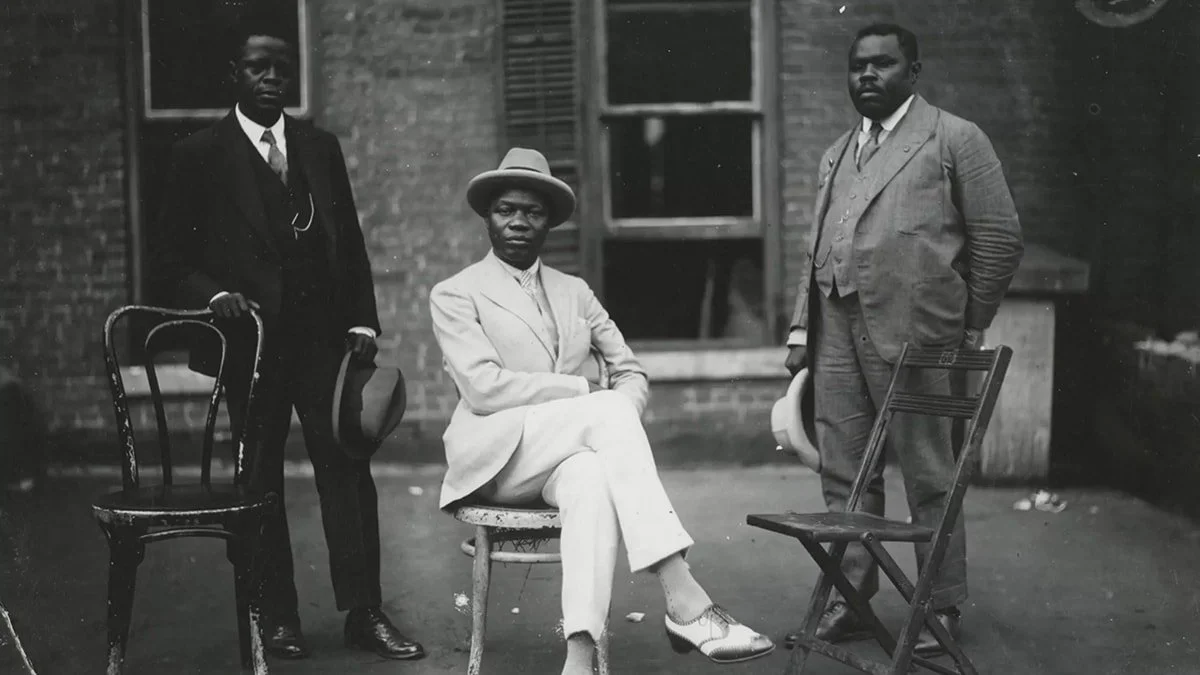
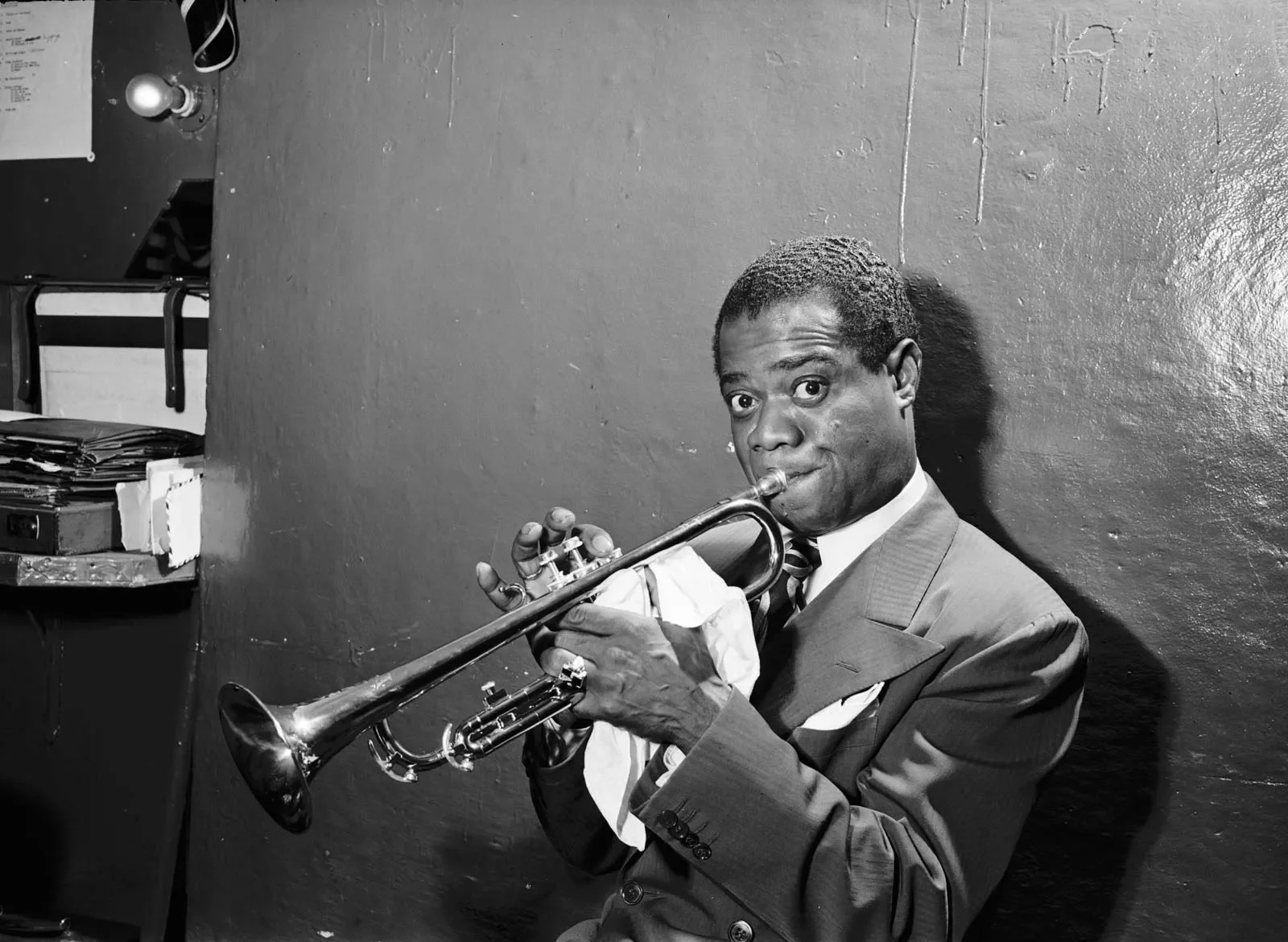
Louis Armstrong
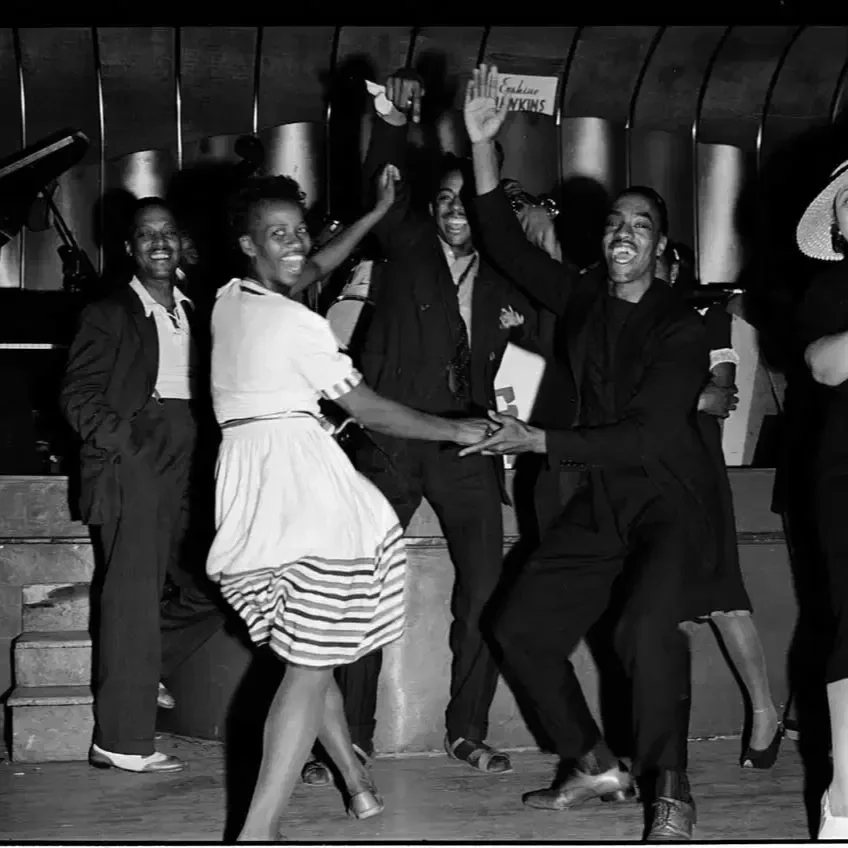
In the midst of racial segregation and economic hardship, particularly the Great Depression, the 1920s and 1930s saw a cultural awakening brought about by the Harlem Renaissance. In spite of these obstacles, Black communities developed thriving artistic scenes that honored individuality and inventiveness. Fashion got more glitzy and daring. Women wore silk stockings, T-strap heels, striking jewelry, and shorter gowns with fringe or beading. Men adopted wide-brimmed hats, polished oxfords, crisp suits, and suspenders. Finger waves, pressed styles, and slicked-back appearances became the next big thing in hairstyles. Icons like Josephine Baker challenged conservative norms with daring silhouettes, while Langston Hughes and Duke Ellington embodied sophistication and intellectual confidence. Fashion during this period symbolized freedom, joy, and cultural pride despite social limitations.
40’s / 50’s
In addition to participating in World War II and fighting for civil rights at home, Black Americans in the 1940s and 1950s experienced housing discrimination, voting suppression, and segregation. As clothes became a means of expressing equality and moral authority, fashion reverted to conservatism and structure. In an effort to appear respectable and human, protesters purposefully wore immaculate clothing. Men wore leather dress shoes, trench coats, ties, and structured suits. Women wore low-heeled pumps, pearls, cardigans, fitted skirts, knee-length dresses, and gloves. Hairstyles were regulated and tidy, frequently curled or pinned. Leaders such as Rosa Parks, Martin Luther King Jr., and Thurgood Marshall understood that appearance could influence public perception. Athletes like Jackie Robinson wore clean, modest uniforms that projected discipline and respect. Fashion in this era communicated seriousness, dignity, and the demand for justice.
Civil Rights Era
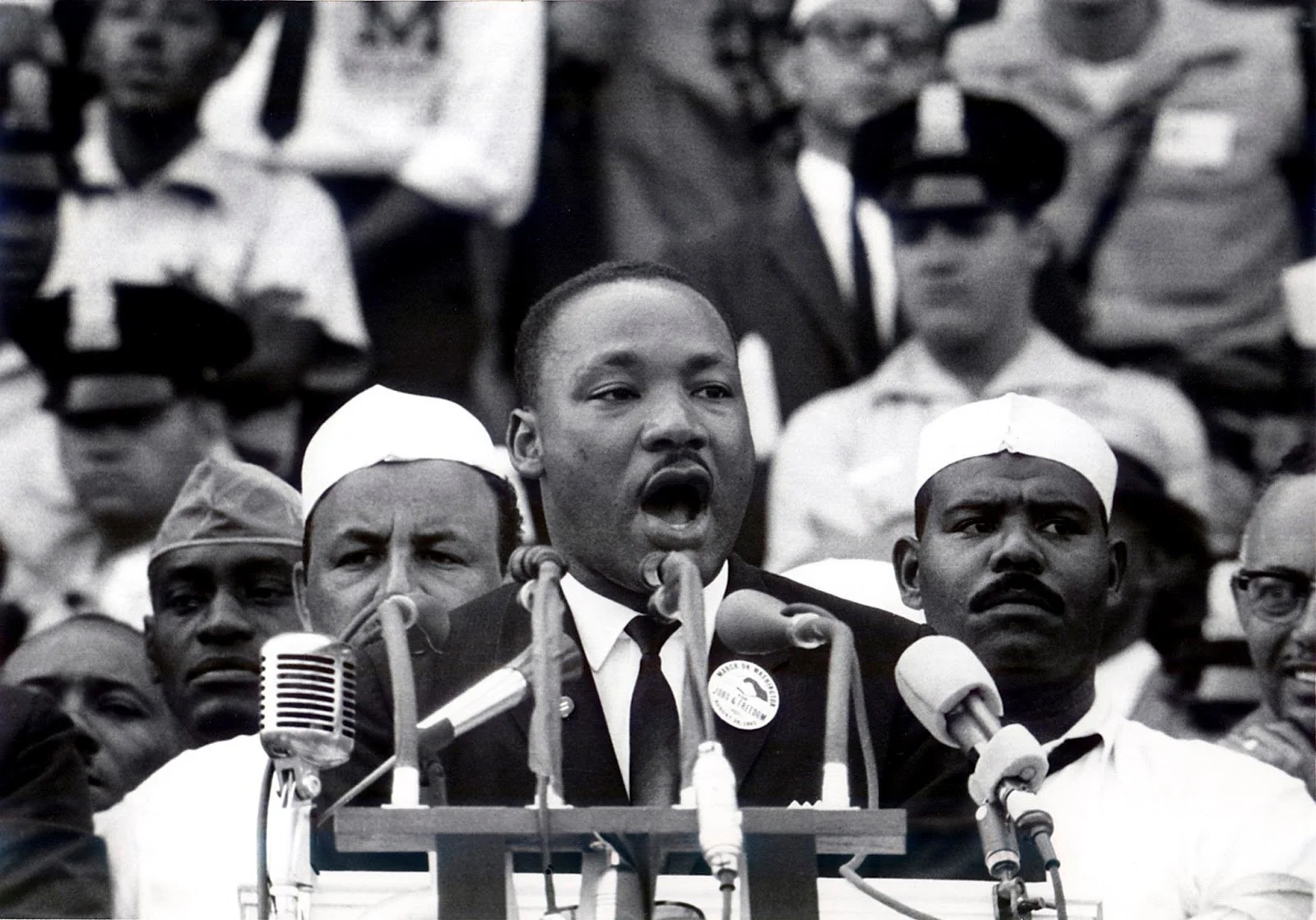
MLK “I have a dream” speech
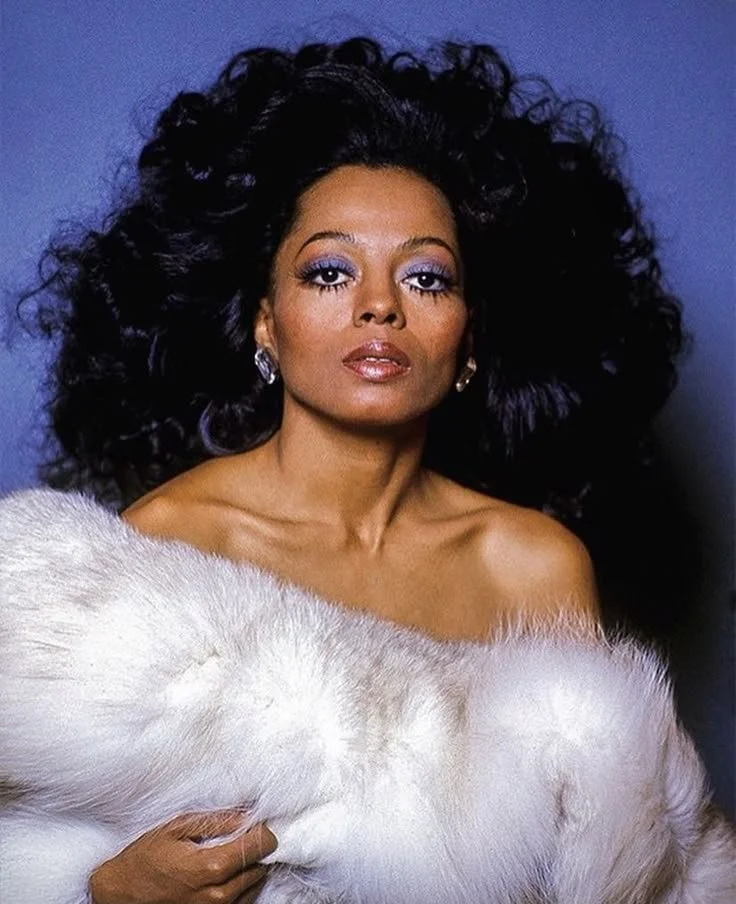
Diana Ross
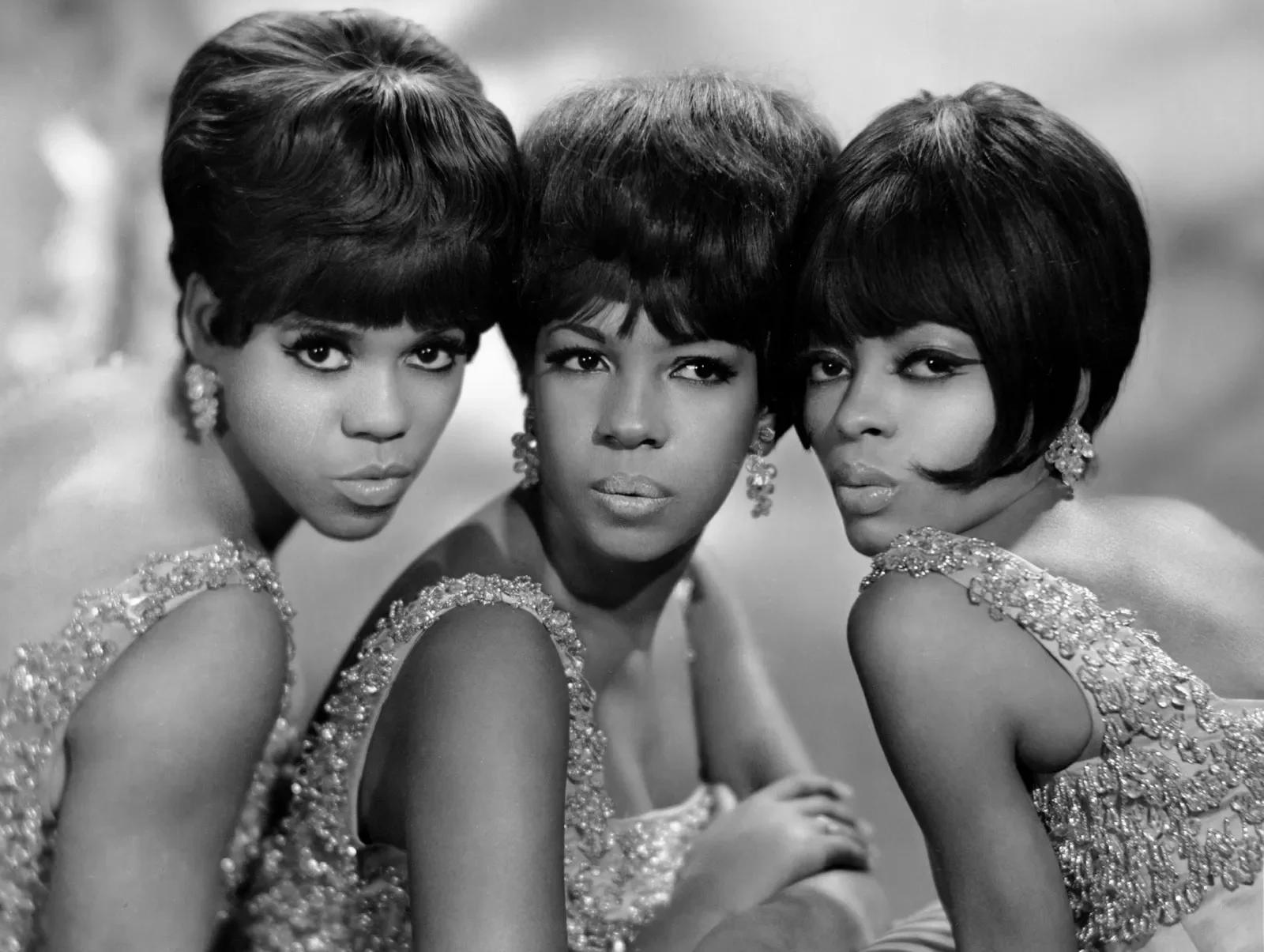
The Supremes
As dissatisfaction with systematic racism, police brutality, and economic inequality increased, the 1960s and 1970s signaled a sea change. The Black Power Movement replaced the Civil Rights Movement, and assimilation gave way to cultural pride in fashion. Clothes embraced African heritage and opposed Eurocentric ideals. Bell-bottoms, kaftans, dashikis, and vibrant patterns gained popularity. Cotton, kente fabric, and handcrafted textiles were among the materials used. Afros, braids, and cornrows were examples of natural hairstyles that represented resistance and self-acceptance. Headwraps, leather sandals, beads, and huge hoop earrings were among the accessories. Activists like Angela Davis, Stokely Carmichael, and the Black Panther Party used clothing—black leather jackets, berets, boots, and sunglasses—to project strength and unity. Muhammad Ali used both fashion and rhetoric to challenge political power, while Nina Simone expressed resistance through her image and music. Fashion became a bold declaration of identity and defiance.
Decade of Decadence (80’s) & 90’s
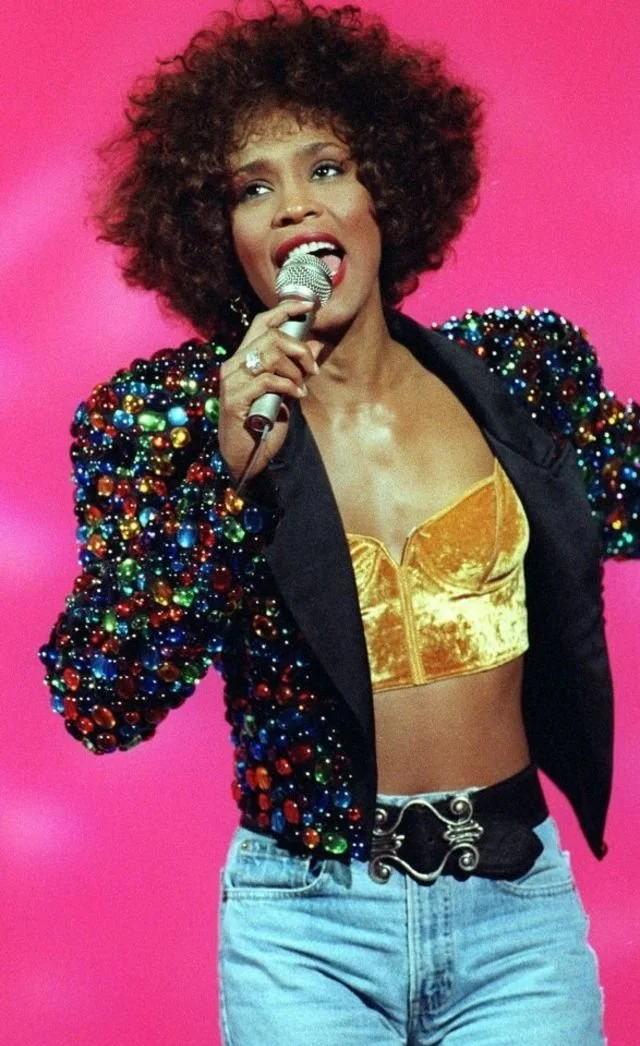
Whitney Houston
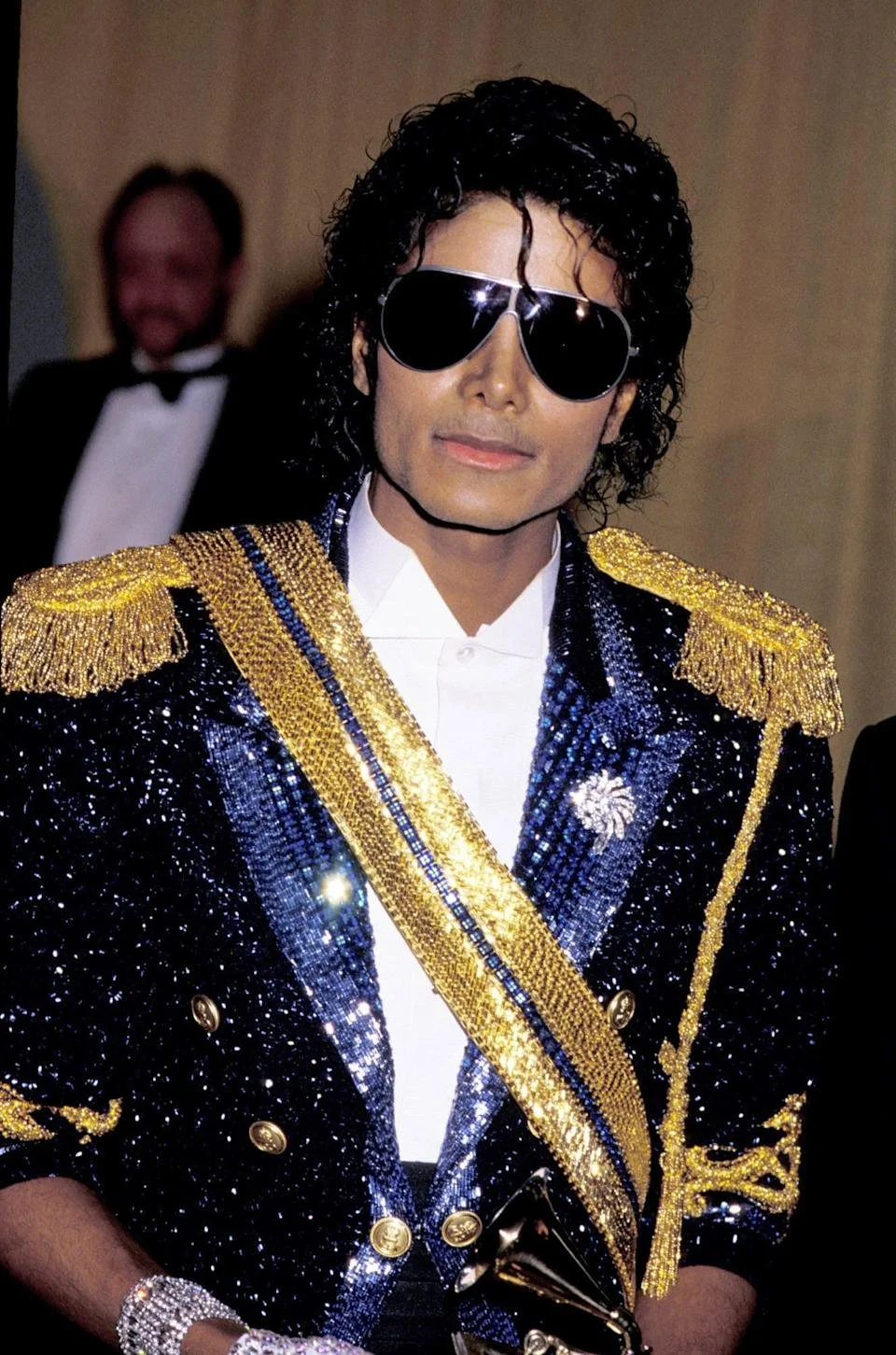
Michael Jackson at the Grammys 1984
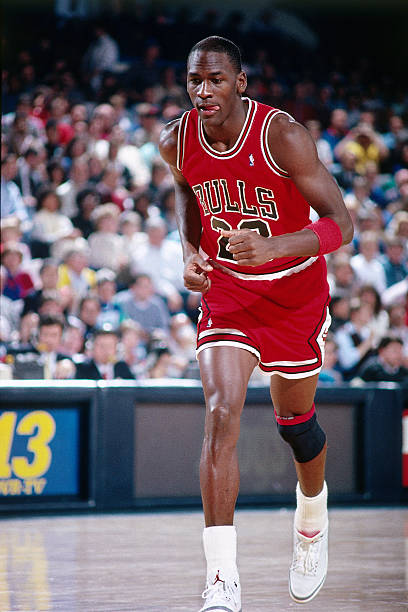
Michael Jordan playing for the Chicago Bulls
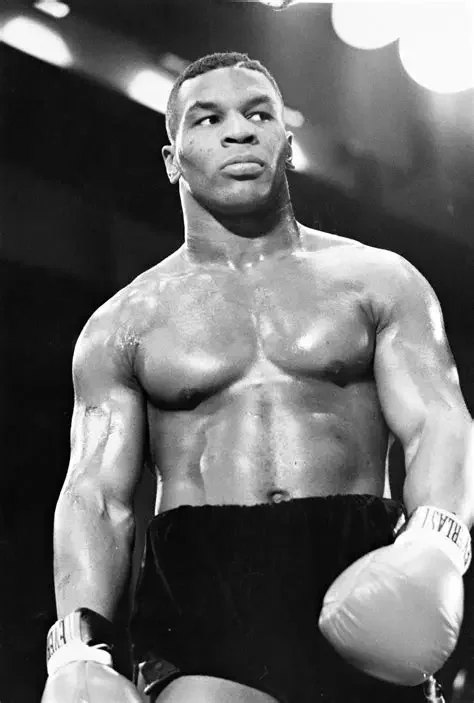
Mike Tyson 1988
Black Americans suffered during the 1980s and 1990s as a result of the War on Drugs, widespread imprisonment, and rising economic disparity, especially in metropolitan areas. As a voice for the underprivileged, hip-hop culture developed, and fashion represented self-assurance, perseverance, and triumph in the face of adversity. The era was dominated by athletic wear, tracksuits, hoodies, bomber jackets, baggy pants, and oversized apparel. Sneakers became cultural icons, particularly Air Jordans, Adidas, and Nike. Gold chains, rings, grills, and luxury logos signified achievement and status. Hairstyles included fades, cornrows, locs, and jheri curls. Artists like Run-DMC, Tupac Shakur, and The Notorious B.I.G. transformed street style into global fashion, while Michael Jordan revolutionized sneaker culture and athlete branding. Fashion during this era represented visibility, power, and economic aspiration.
90’s/2000’s (Hip-Hop Era)
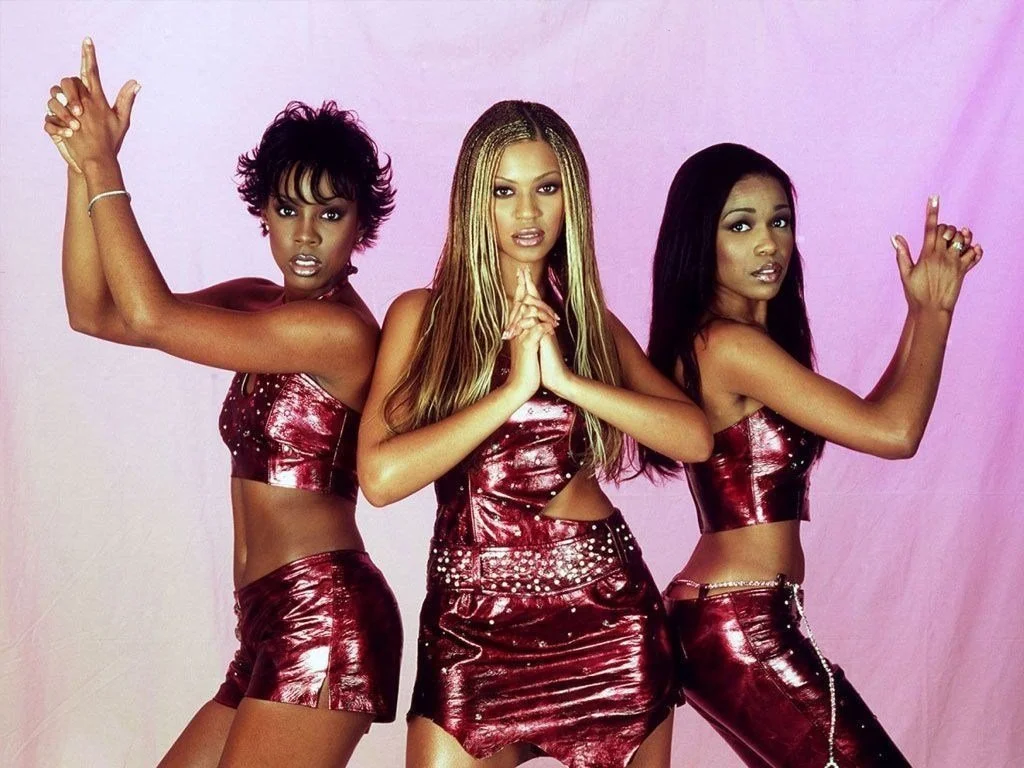
Destiny’s Child 1999
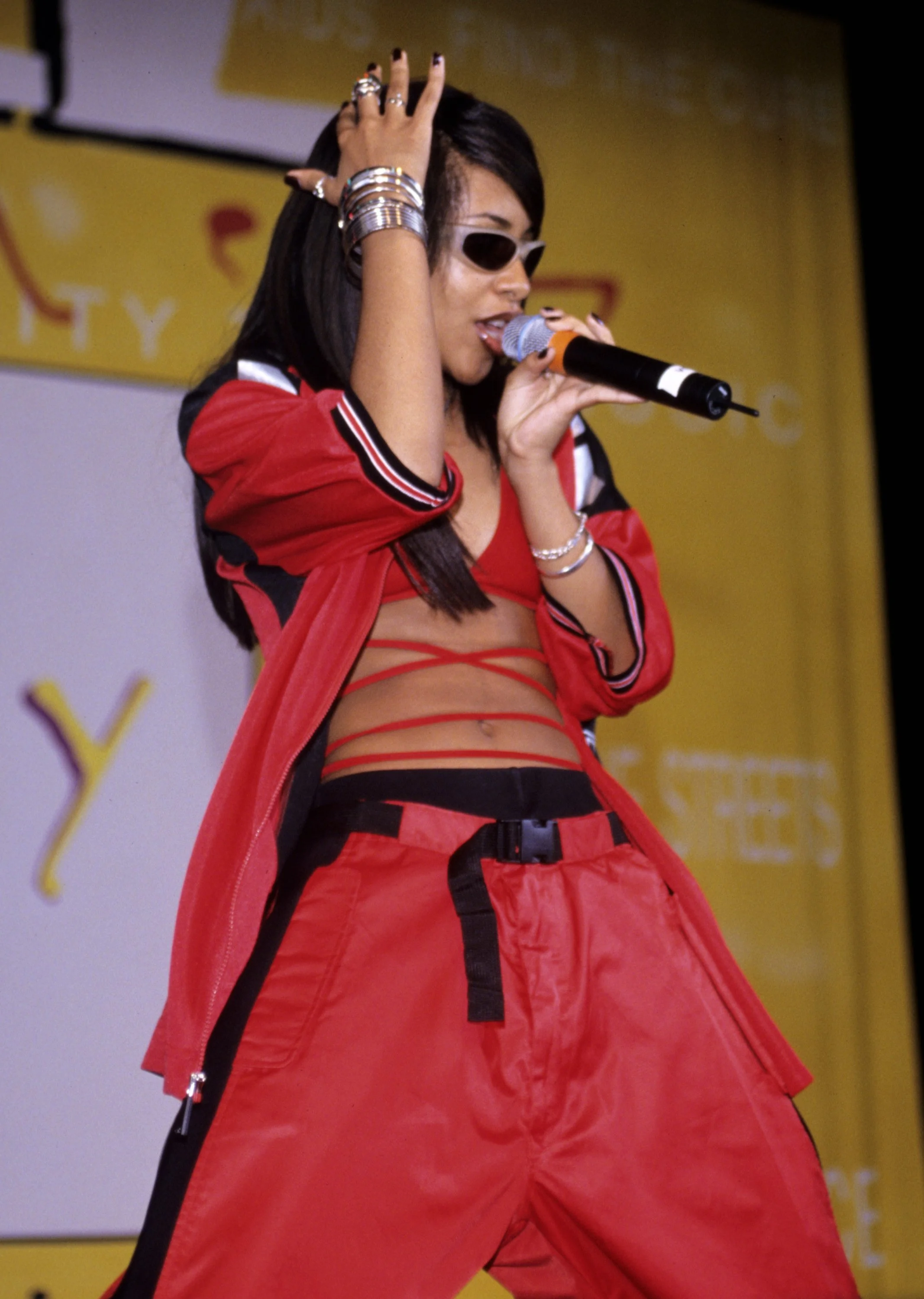
Aaliyah
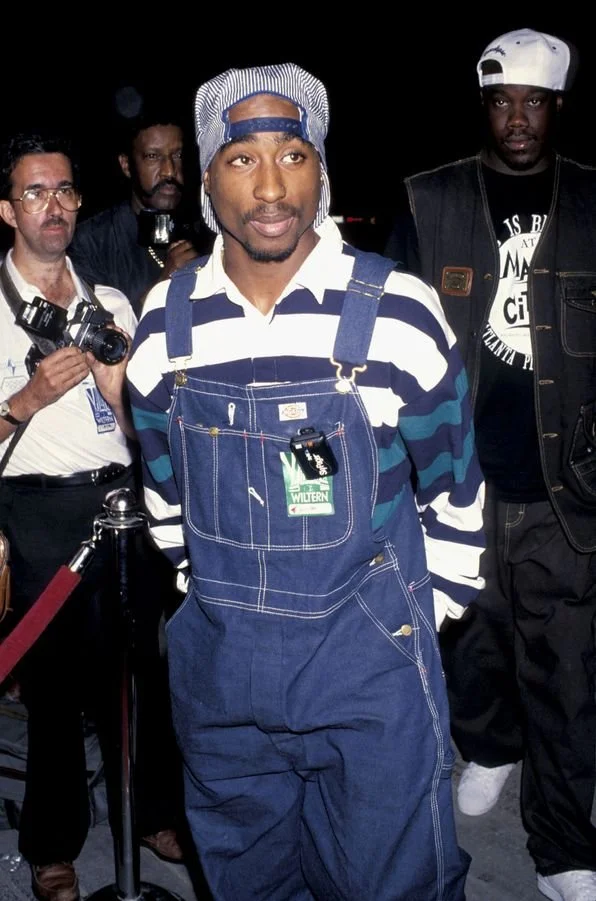
Tupac Shakur
Black fashion from the 2000s to the present is a reflection of narrative, creativity, and reclaiming in a digital era influenced by social media and globalization. Black creatives and designers accept variety in body forms and gender expression, reinterpret beauty, and question exclusivity. Fashion combines tradition and modernity; streetwear and luxury coexist, and traditional textiles like kente and Ankara are incorporated into contemporary shapes. Both in public and in the workplace, hairstyles including locs, braids, natural curls, and protective styles are popular. While celebrities like Beyoncé, Michelle Obama, Serena Williams, and Virgil Abloh utilize fashion to communicate excellence, empowerment, and cultural pride, designers like Telfar Clemens advocate accessibility. Social media has allowed Black creators to control their narratives and influence global trends directly.
2010’s (Streetwear Renaissance)
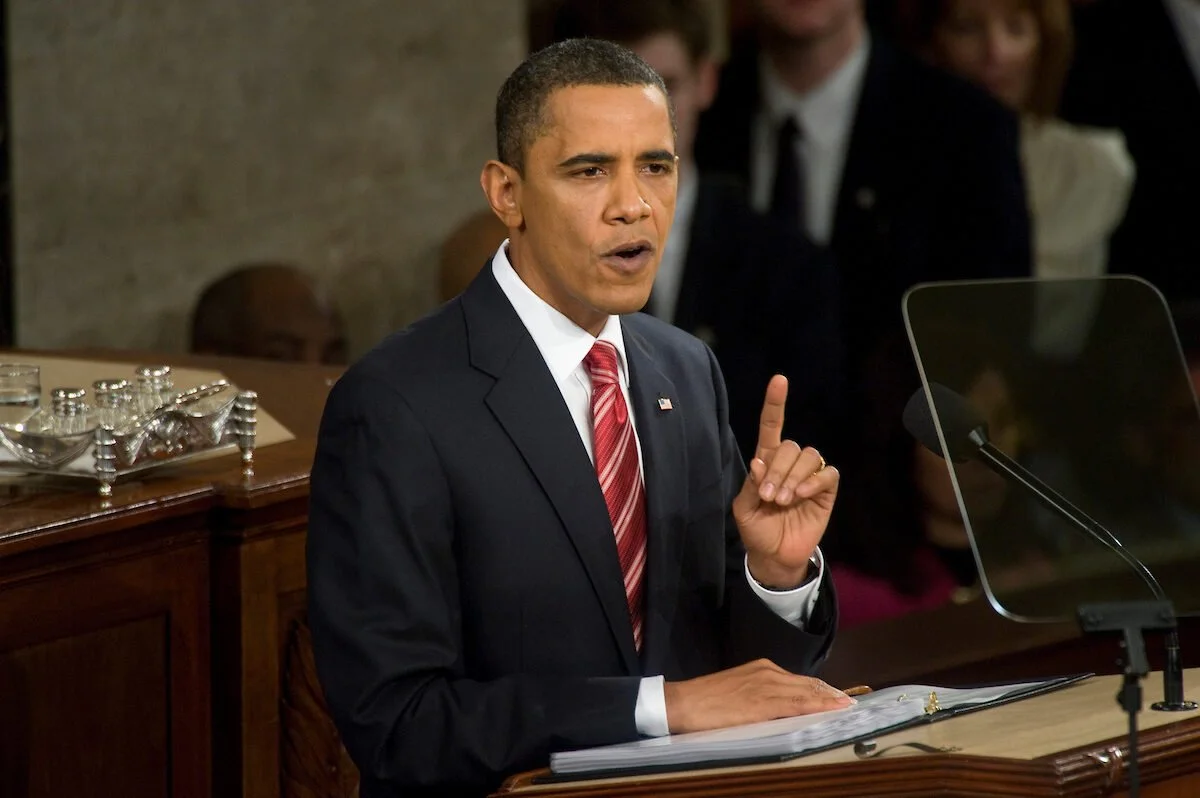
President, Barack Obama 2010
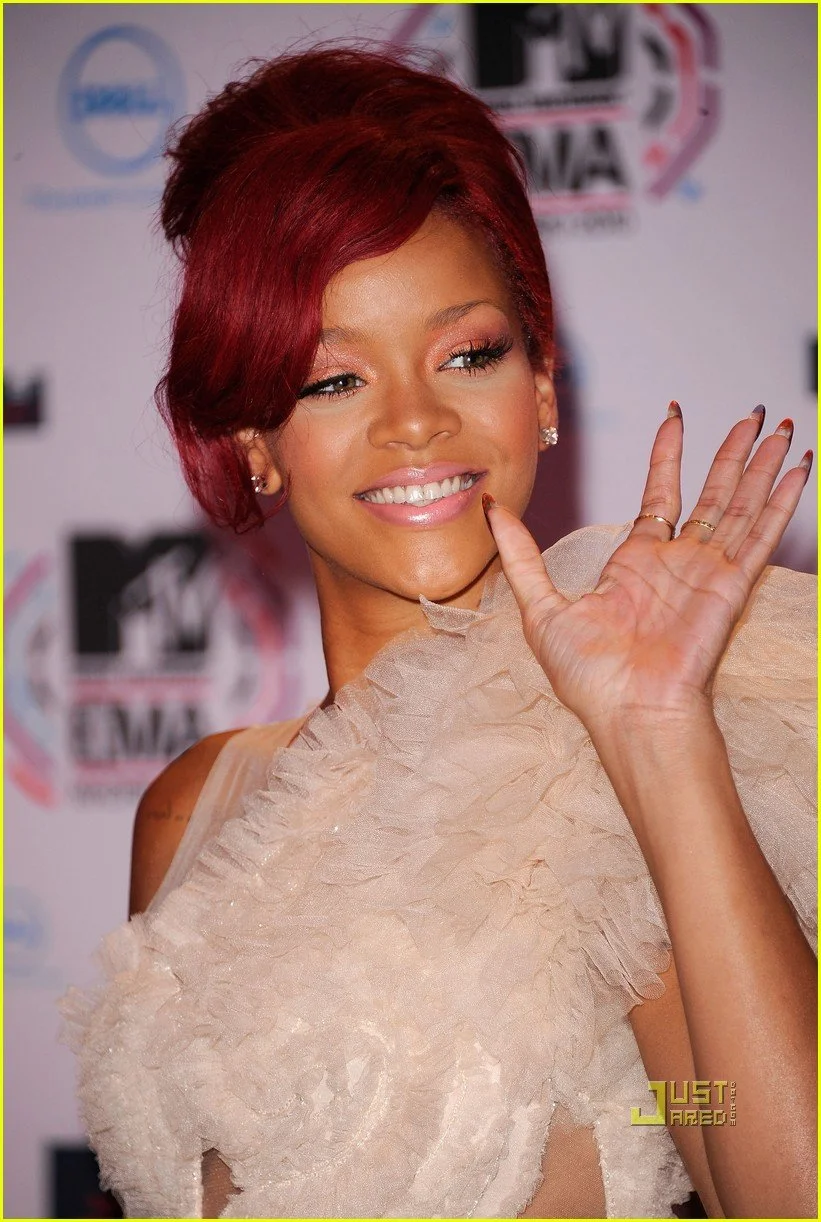
Rihanna
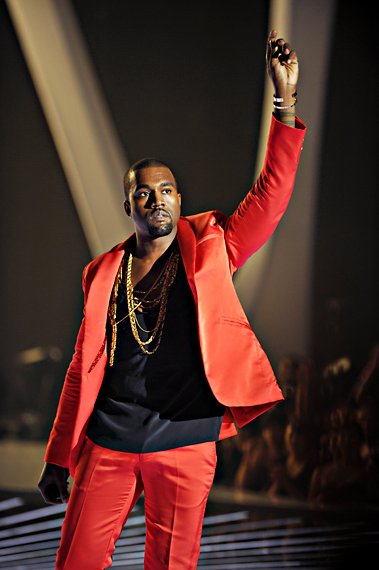
Kanye West
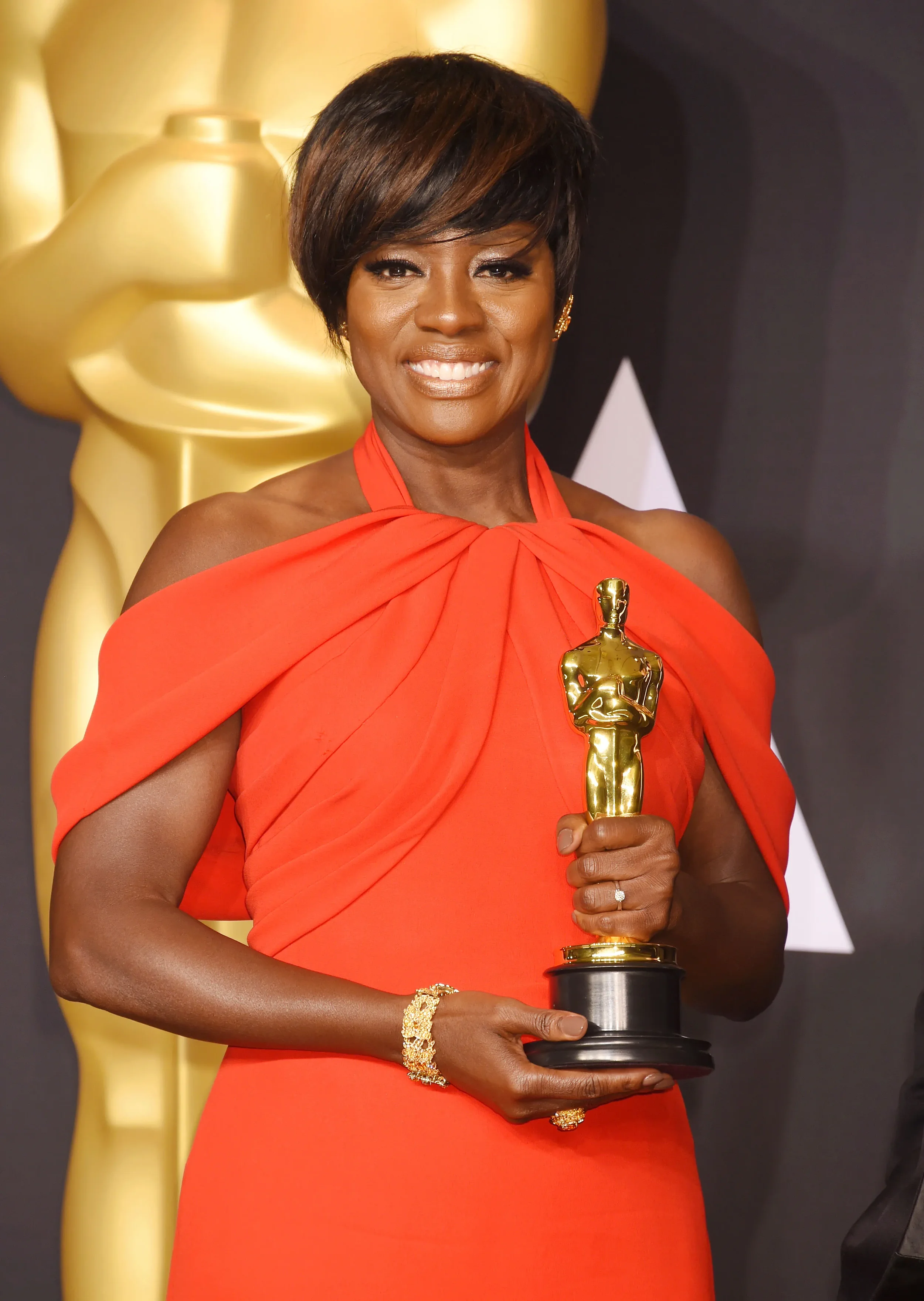
Viola Davis
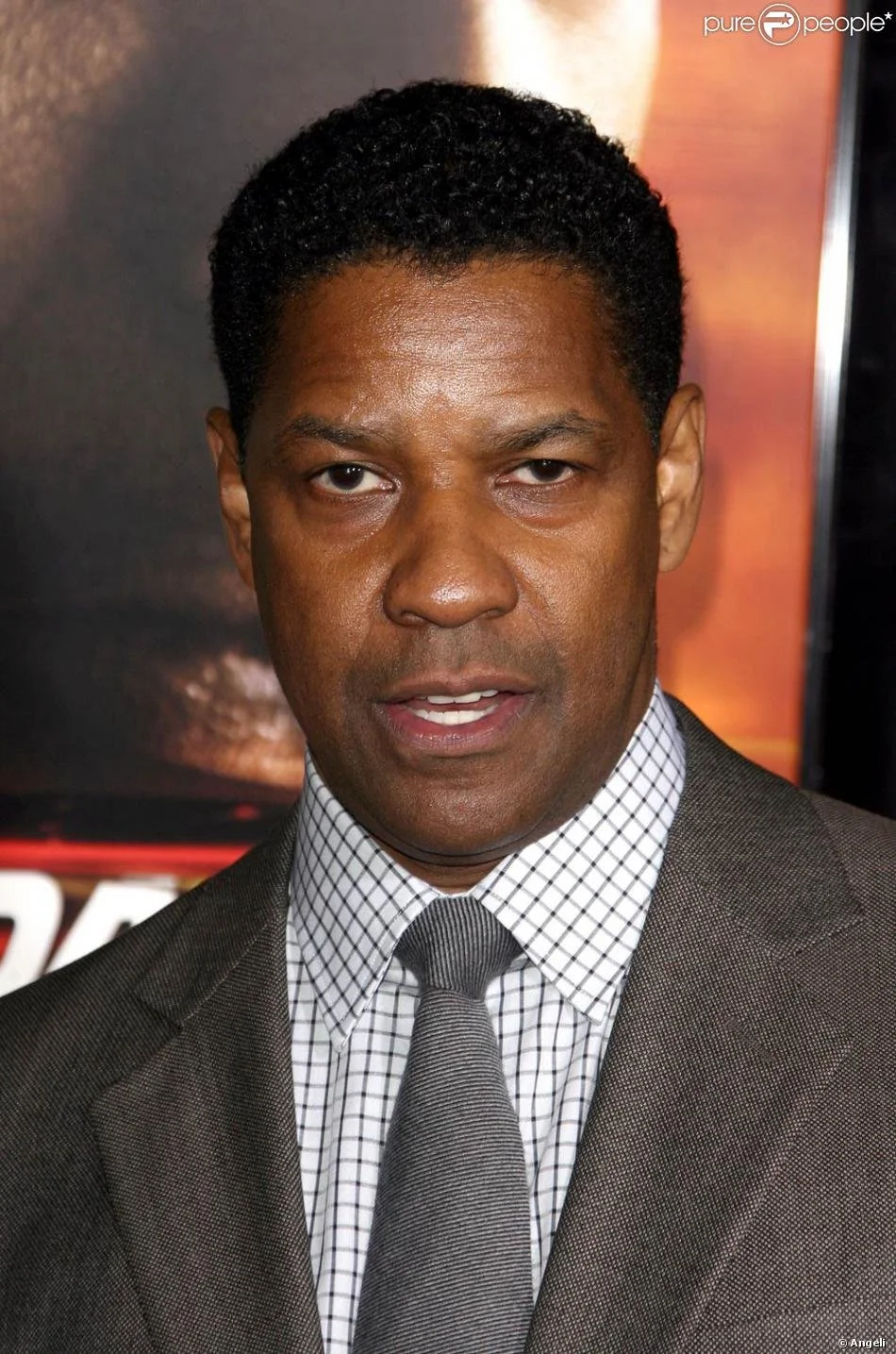
Denzel Washington
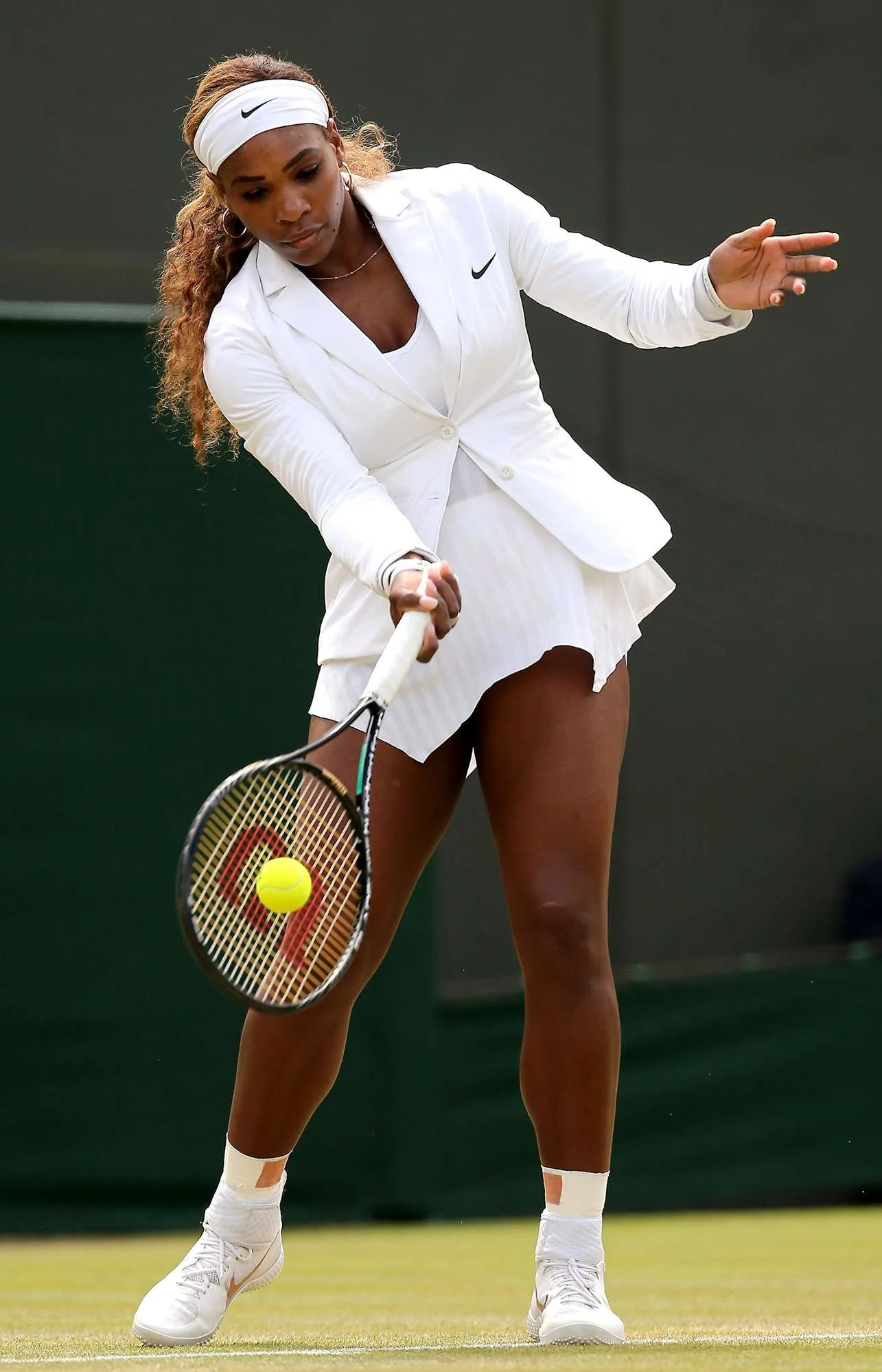
Serena Williams
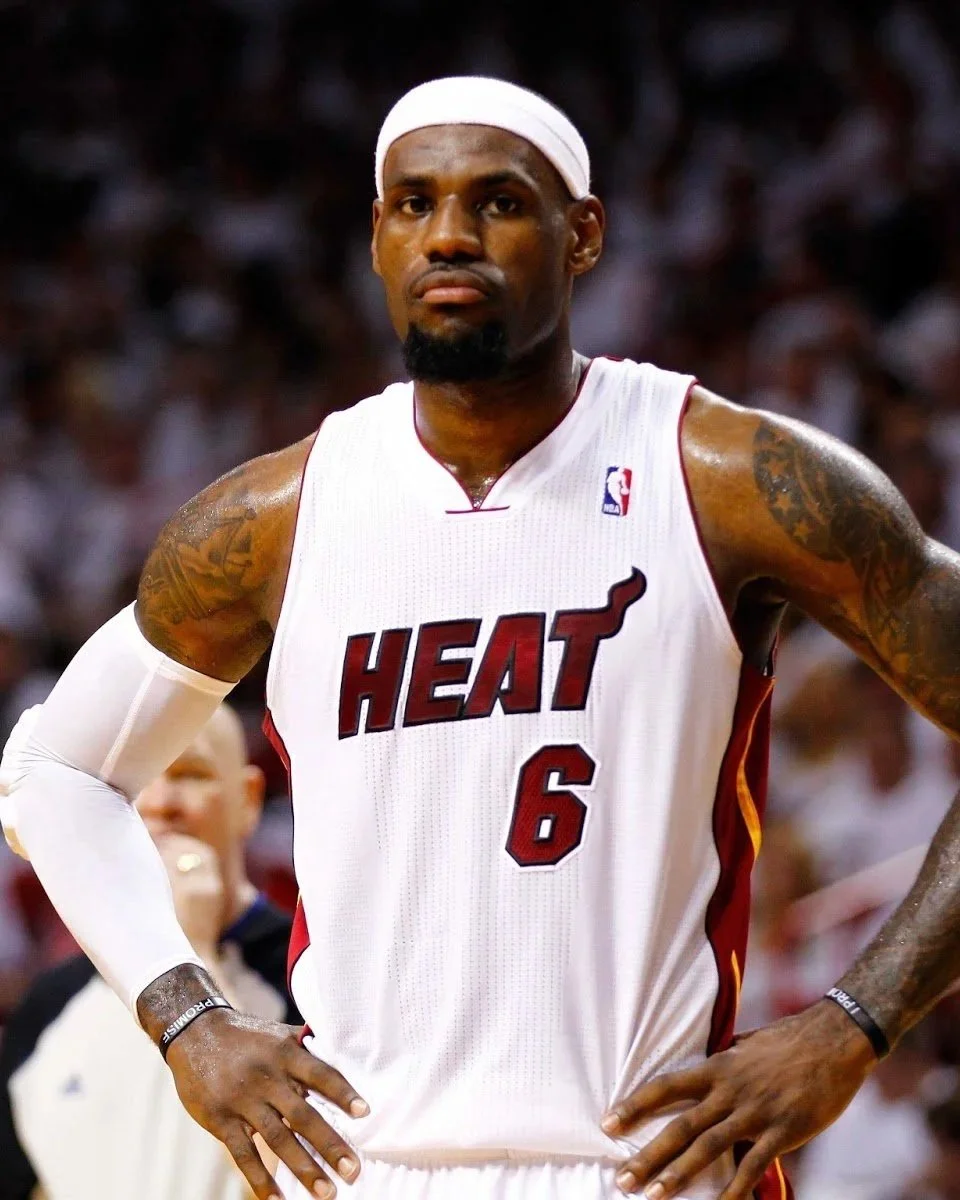
Lebron James
Black fashion in the 2010s was dominated by streetwear. Snapbacks, hoodies, and graphic shirts were frequently worn with athletic labels like Nike, Adidas, and Puma in casual ensembles. Sneakers have become both a fashion statement and a collector's passion, particularly limited-edition models like Air Jordans. Bomber jackets, leather jackets, and varsity jackets were standard pieces for layering, while jeans were frequently damaged or cuffed. Accessories were also quite important. Statement watches, big hoop earrings, and gold chains were common, frequently expressing cultural pride and individual flair. Men favored slim-fit jeans and joggers, which frequently combined comfort and street credibility, while women wore bodycon dresses, crop tops, and high-waisted pants that highlighted shapes.
Black celebrities and artists are embracing high fashion more and more, shattering stereotypes about luxury branding. Designers like Virgil Abloh of Off-White and Kerby Jean-Raymond of Pyer Moss highlighted Black creativity in luxury fashion, blending streetwear elements with couture. Black celebs made daring and groundbreaking appearances on the red carpet. Individuality and cultural heritage were frequently expressed via the use of elaborate patterns, fitted clothes, and vivid colors.
Additionally, the 2010s emphasized fashion as a means of expressing social identity. Black men and women were encouraged to embrace natural braids, locs, and curls by the natural hair movement. Through inclusive ads and partnerships, brands started honoring Black culture. Black youth appreciated streetwear partnerships with premium companies, such as Louis Vuitton x Supreme, as a symbol of cultural currency and style expertise. Black fashion gained popularity because to social media sites like Instagram and Tumblr, which let regular people connect with larger trends and display their own sense of style. A generation was inspired to embrace style as a means of self-expression and cultural affirmation by several prominent Black sportsmen, entertainers, and political personalities who not only wore but also created trends.
In summary, Black history itself is reflected in Black fashion over the decades. It changed in reaction to innovation, pride, advancement, and tyranny. The necessities of each era—whether to lead, celebrate, oppose, or survive—led to the development of its own style. In addition to names and landmarks, Black History Month celebrates these accomplishments via the potent visual language of fashion, which continues to influence culture all around the world.
