Winter 2026 Olympics: Top Team Uniforms

Uniforms for the Winter 2026 Olympics in Milan and Cortina d'Ampezzo were more than simply practical equipment; they were international fashion statements. Milan served as the background, and fashion companies worked with national Olympic committees to transform the Opening Ceremony into a runway where design, performance, culture, and legacy came together. Each nation's style, which ranged from traditional textiles to innovative performance materials, provided a visual narrative of pride and identity.
1. Team Italy—EA7 Emporio Armani
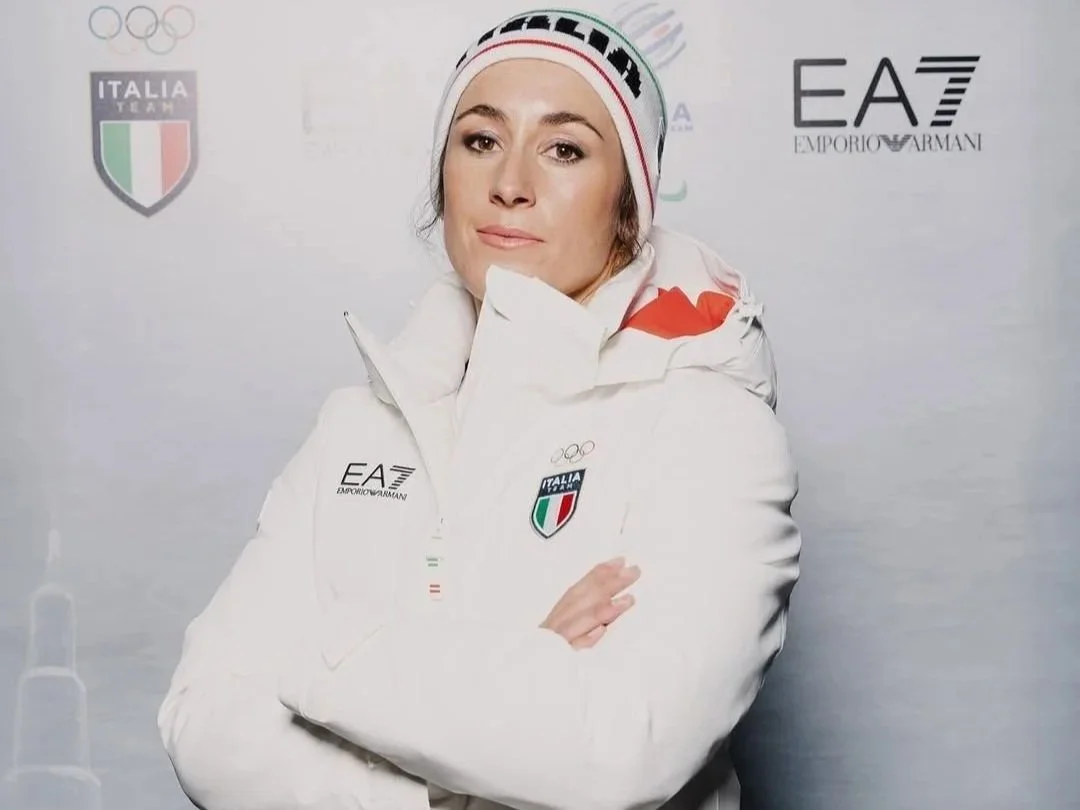
With uniforms created by Giorgio Armani's athletic brand EA7 Emporio Armani, Italy, the host country, raised the standard for fashion. The ensemble's dominant snow-white hues with delicate blue touches echoed Milan's sophisticated style and the mountain setting of Cortina. Streamlined lines and fitted outerwear that struck a balance between elegance and athleticism were hallmarks of Armani's design philosophy, which is defined by clarity, simplicity, and purity. The fabrics were high-performance yet elegant, combining technical synthetics for mobility with luxurious textile finishes that communicated quiet sophistication. This minimalist approach underscored Italian design mastery and cultural pride on the Olympic stage.
2. Team Mongolia—Goyol Cashmere
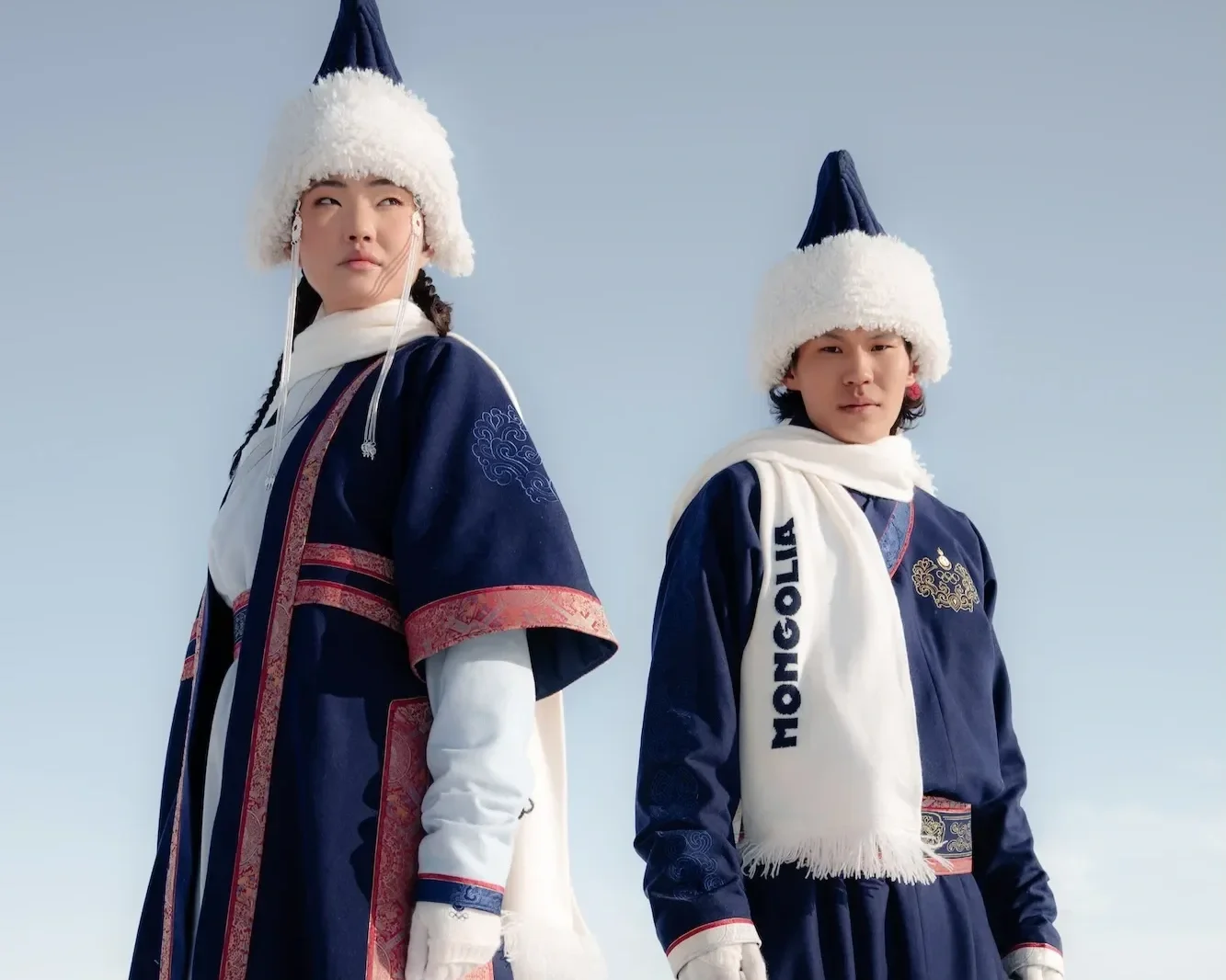
Team Mongolia garnered international notice at the games thanks to their Goyol Cashmere costumes, which combined their nomadic background with the demands of winter performance. With their superior Mongolian cashmere for warmth and softness—perfect for cold climates—and their silk accents and horn-inspired embroidered designs, these ensembles are modeled after the traditional deel robe. While the high collars and structural belts allude to both historical importance and modern silhouette design, the deep blue color scheme invokes Mongolia's "Eternal Sky." The use of cashmere symbolizes both cultural continuity and technical excellence in natural fiber performance.
3. Team USA—Ralph Lauren
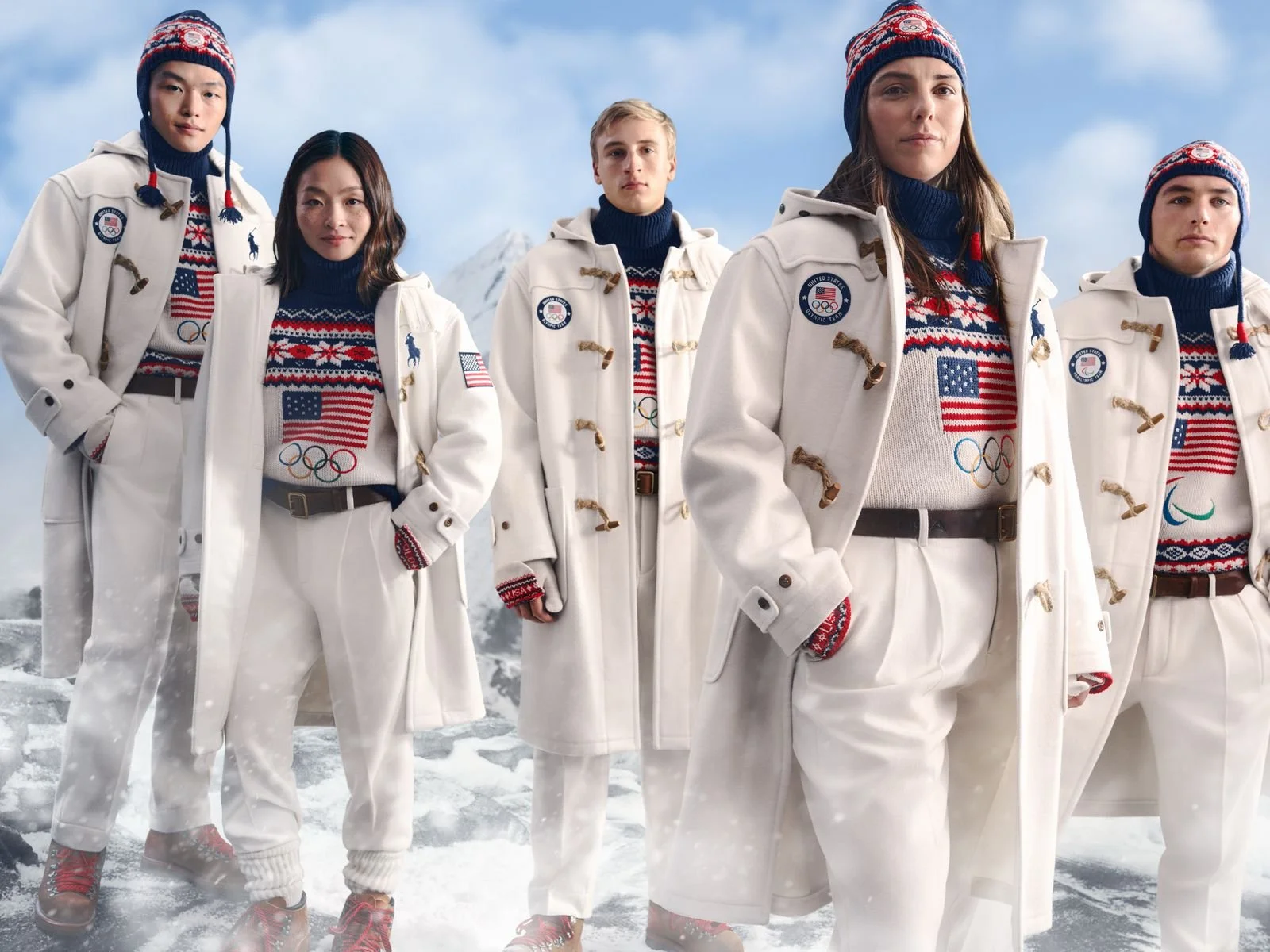
Ralph Lauren created Team USA's outfits for the tenth straight Winter Games, fusing classic Americana with dependability in performance. Classic materials that reflect historical knitwear and traditional cold-weather attire were used in the opening ceremony ensemble, which included an ivory wool coat with wooden toggle fasteners, a flag-intarsia wool sweater, and fitted wool pants. A color-blocked puffer jacket was added to the closing ceremony ensemble to create a contemporary athletic look. Accessories like knit hats, mittens, and suede alpine boots completed the look. Wool—valued for warmth and texture—served as the anchor, with all pieces proudly made in the United States, reflecting craftsmanship and patriotism.
4. Team Canada—Lululemon
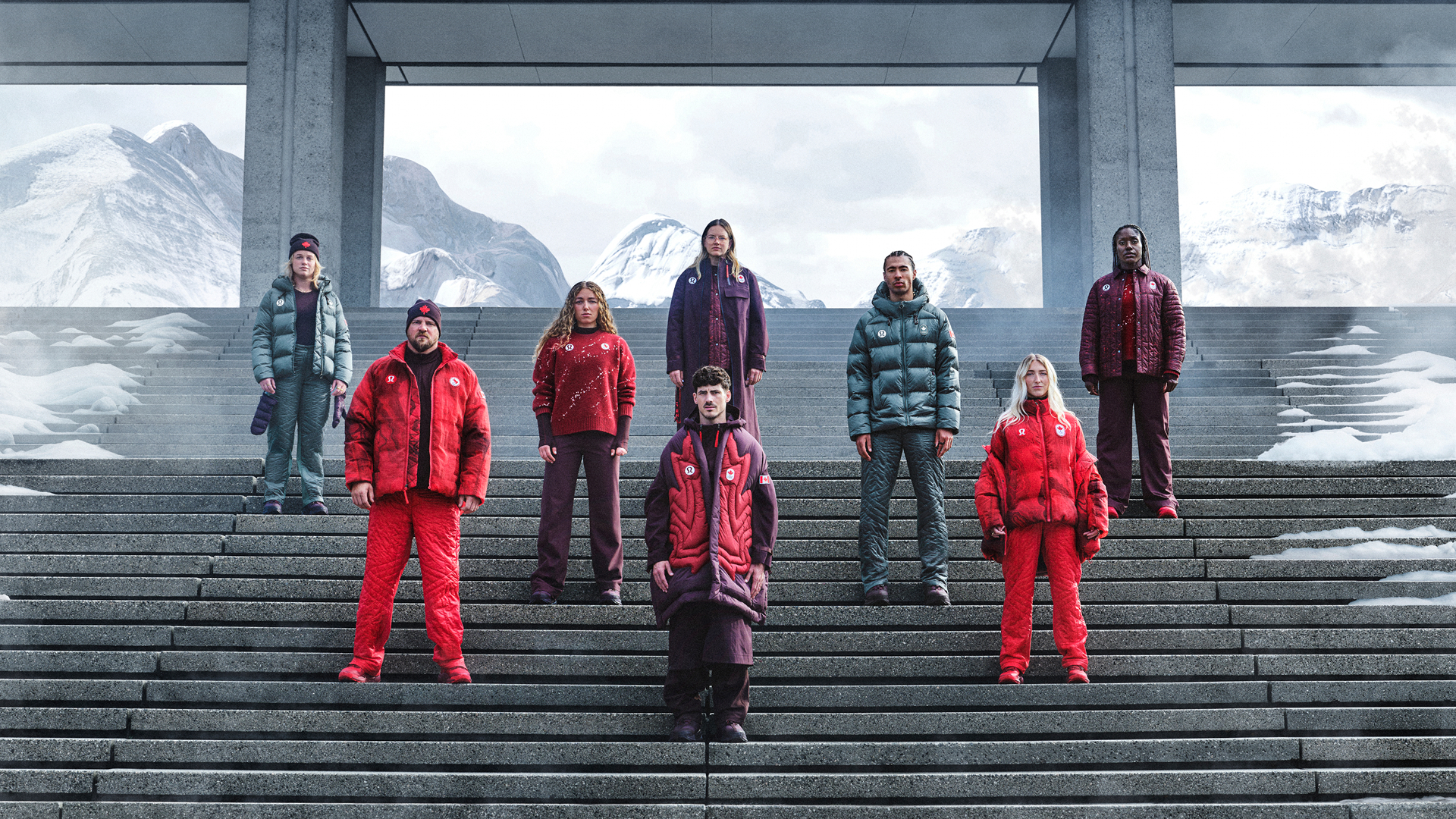
Lululemon combined symbolic design with performance-driven textiles to create Canada's uniforms. On quilted vests and puffers, which included cutting-edge insulating materials intended for both warmth and movement, the enormous red maple leaf served as the primary visual trademark. These jackets frequently included adaptable fits and thermoregulating technology for athletes moving between regions. Canada's enormous geography was mirrored with podiums worn in rich reds with geographic patterns. Canada's design was positioned as both daring and practical due to the harmony of elegance and practical engineering.
5. Team France—Le Coq Sportif
Le Coq Sportif provided Team France's multilayered collection, which combined ergonomic performance materials with retro-inspired styles. The outfits, which included textured fabrics like recycled sherpa trimmings and durable synthetic mixes, comprised zip-up sweatshirts, straight-cut slacks, and doppel jackets in frosted blues, creams, and reds. The designs drew inspiration from topographic mountain maps and 1970s archive trends, resulting in a fashionable yet functional clothing that was both whimsical and beautiful.
6. Team Great Britain—Adidas & Ben Sherman

Great Britain's fashion story combines Adidas' athletic knowledge with Ben Sherman's suiting tradition. Adidas provided tech-oriented athletic apparel in blue and accent colors, with waterproof and insulating materials ideal for winter activities. Meanwhile, Ben Sherman's ceremonial attire featured 1960s-inspired knitwear, such as patterned sweaters and big scarves with Union patterns, which combined vintage design with current winter usefulness. Team GB's dual approach resulted in one of the most varied and elegant outfits at the Olympics.
7. Team Sweden—Uniqlo LifeWear
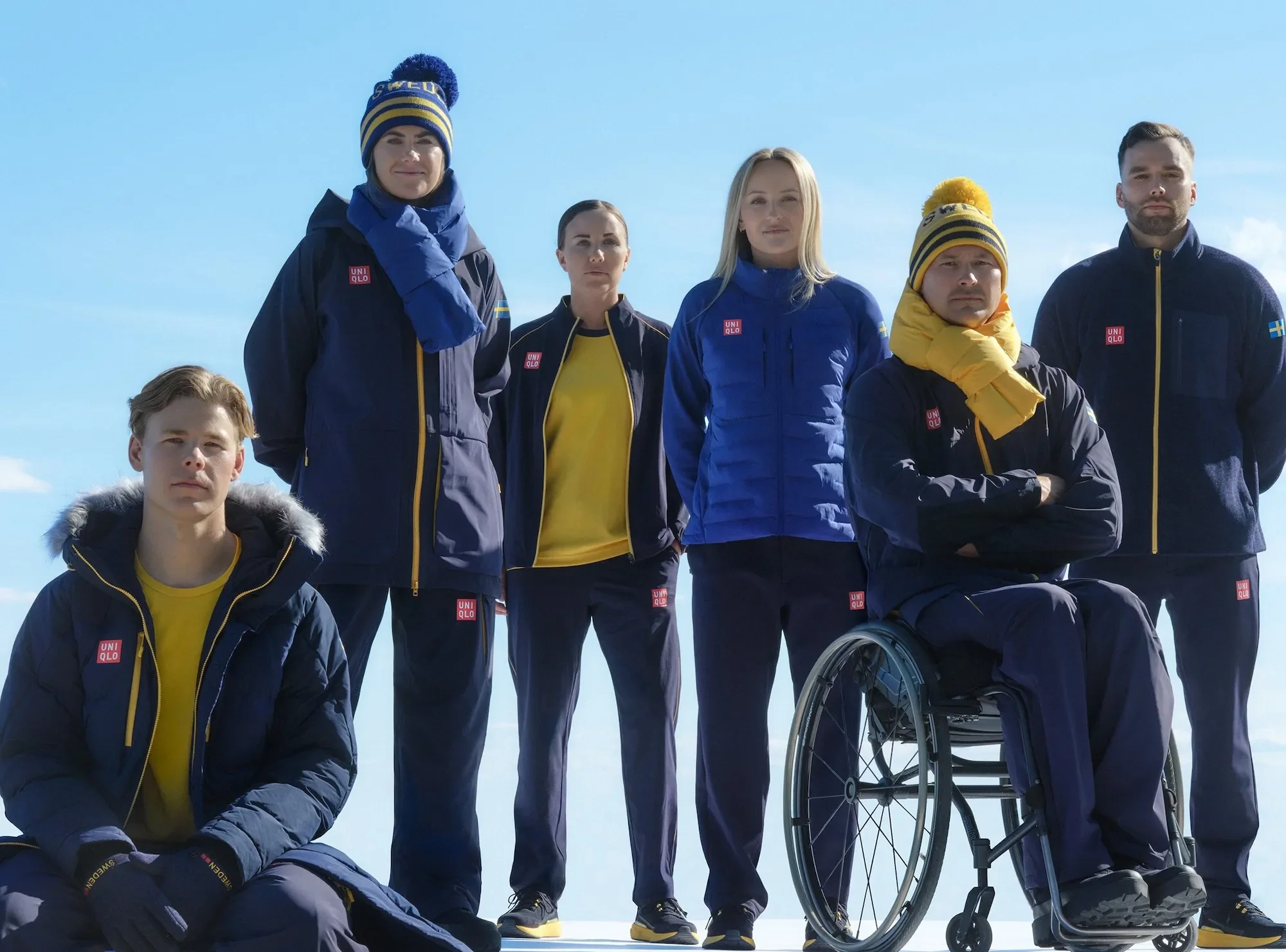
Uniqlo supplied Team Sweden's outfits under their LifeWear concept, which prioritizes comfort, performance, and sustainability. Their jackets and pants featured Toray Dermizax textiles for waterproofing and breathability, while inner layers employed Heattech and Pufftech materials to increase insulation using recycled fibers. The end product was a sleek, technological uniform in Sweden's national blue and yellow color scheme that performed as well as it looked, combining modern material science with minimalist design sensibility.
8. Team Australia—Sportscraft & Karbon
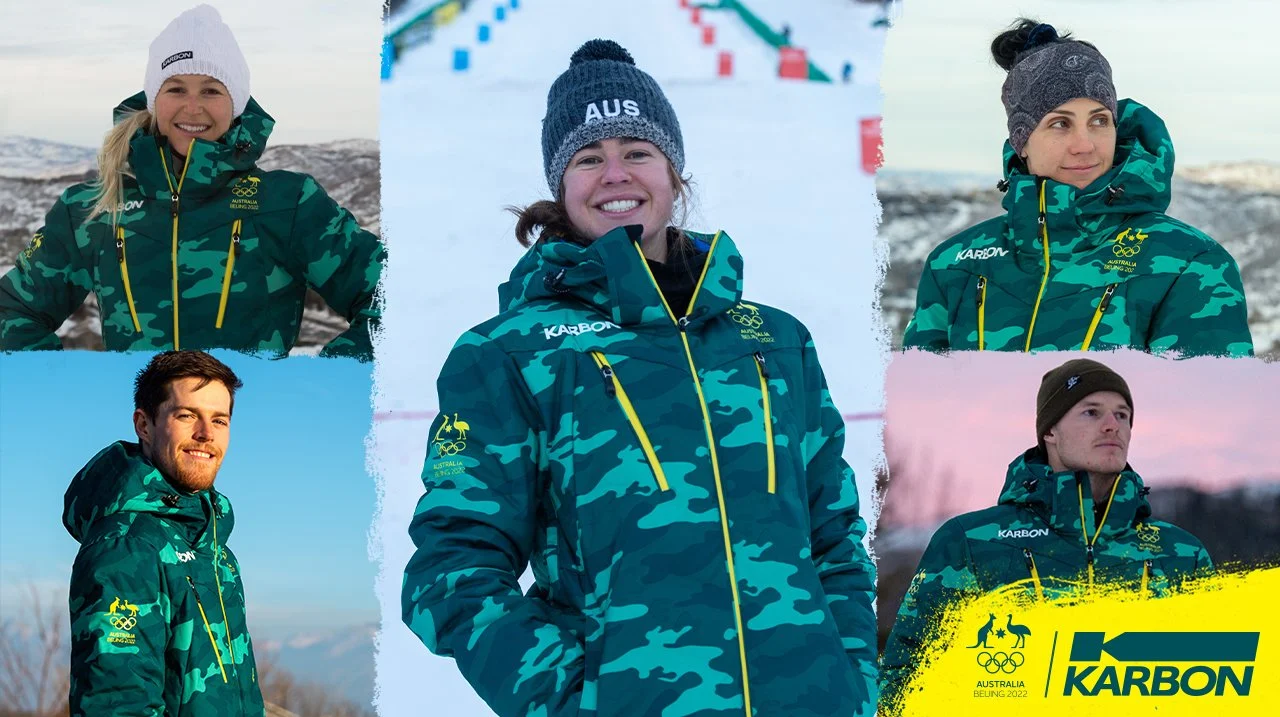
Australia's uniform combines Sportscraft's traditional tailoring with Karbon's winter performance technology. The green and gold color scheme, accented with gold-button detailing, drew inspiration from past Australian Olympic fashions, while the use of technical outerwear textiles provided cold protection. Indigenous artwork by David Bosun and Paul Fleming was carefully included into the design, promoting cultural inclusion and national pride.
9. Team Spain—Joma
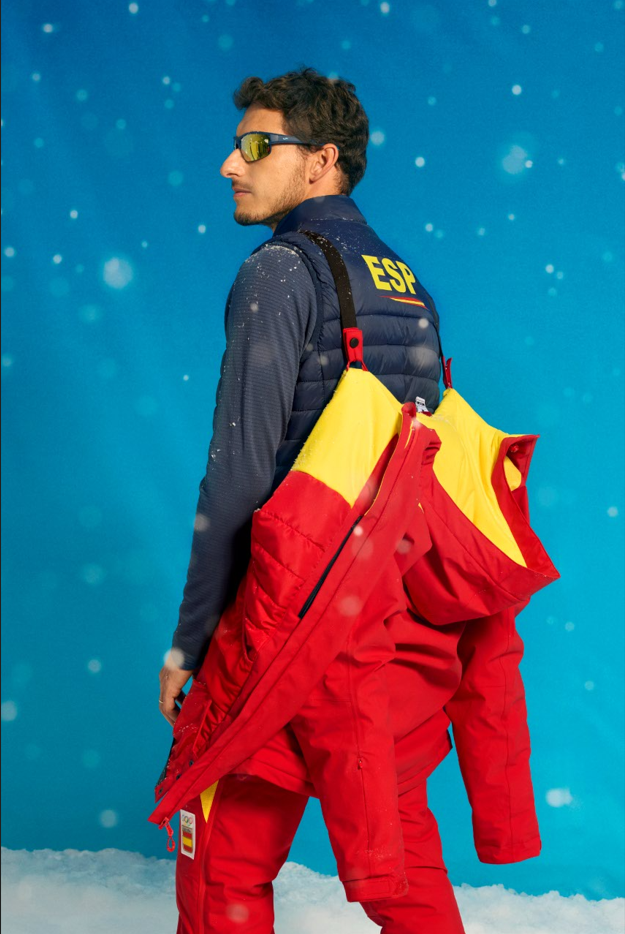
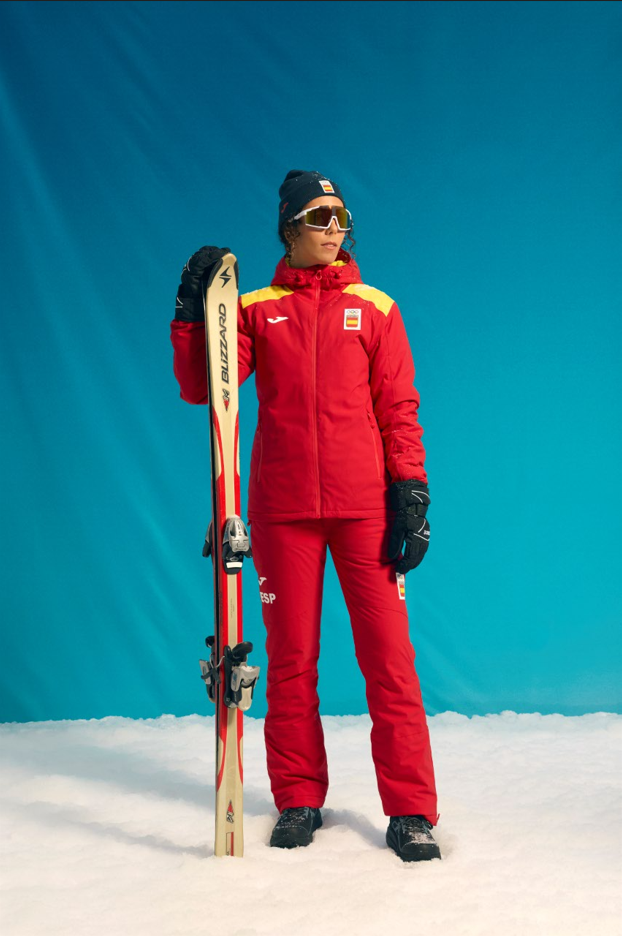
Joma's Spanish Olympic outfits focused thermal practical design, with waterproof membranes and ergonomic fits for snow and wind. The Parade Line included a winter anorak and pants designed for cold weather, but the Podium and Village Lines combined national colors with comfortable cotton-rich padded jackets and tracksuits. The combination of technical materials and inclusive shapes made Spain's appearance both functional and beautiful.
10. Team Norway—Dale of Norway
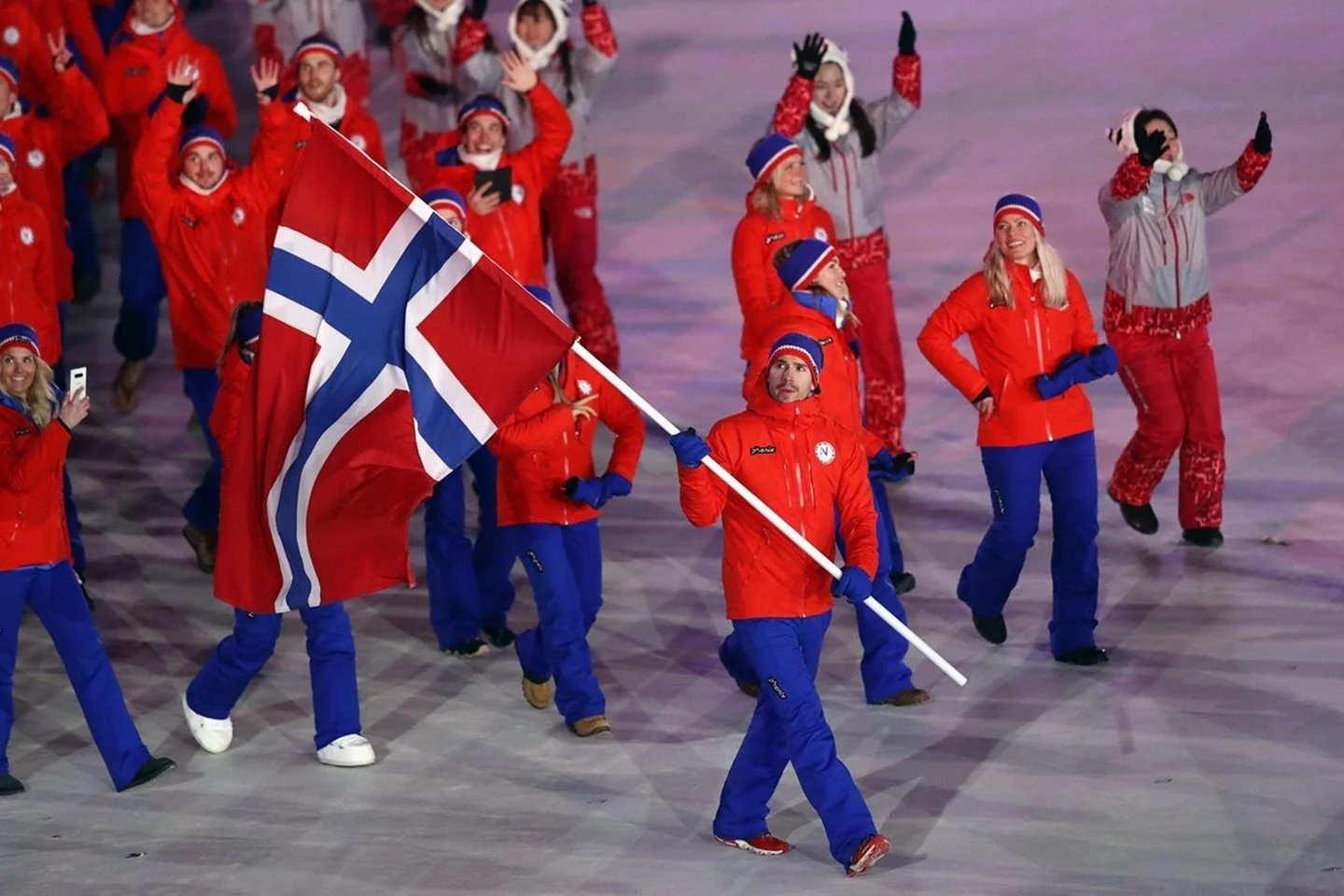
Finally, Dale of Norway introduced historical knitting to the Olympics limelight. The firm, which has been making official Olympic sweaters since 1956, recreated its traditional Nordic wool designs for the 2026 uniform with a high-neck, half-zip sweater made of 100% Norwegian wool and merino lining. The classic geometric patterns in deep red and blue on clean white created a timeless, handcrafted style that was inspired by Scandinavian textile heritage and winter warmth.
