Paris Fashion Week 2026: Vintage Visions, Futuristic Flair
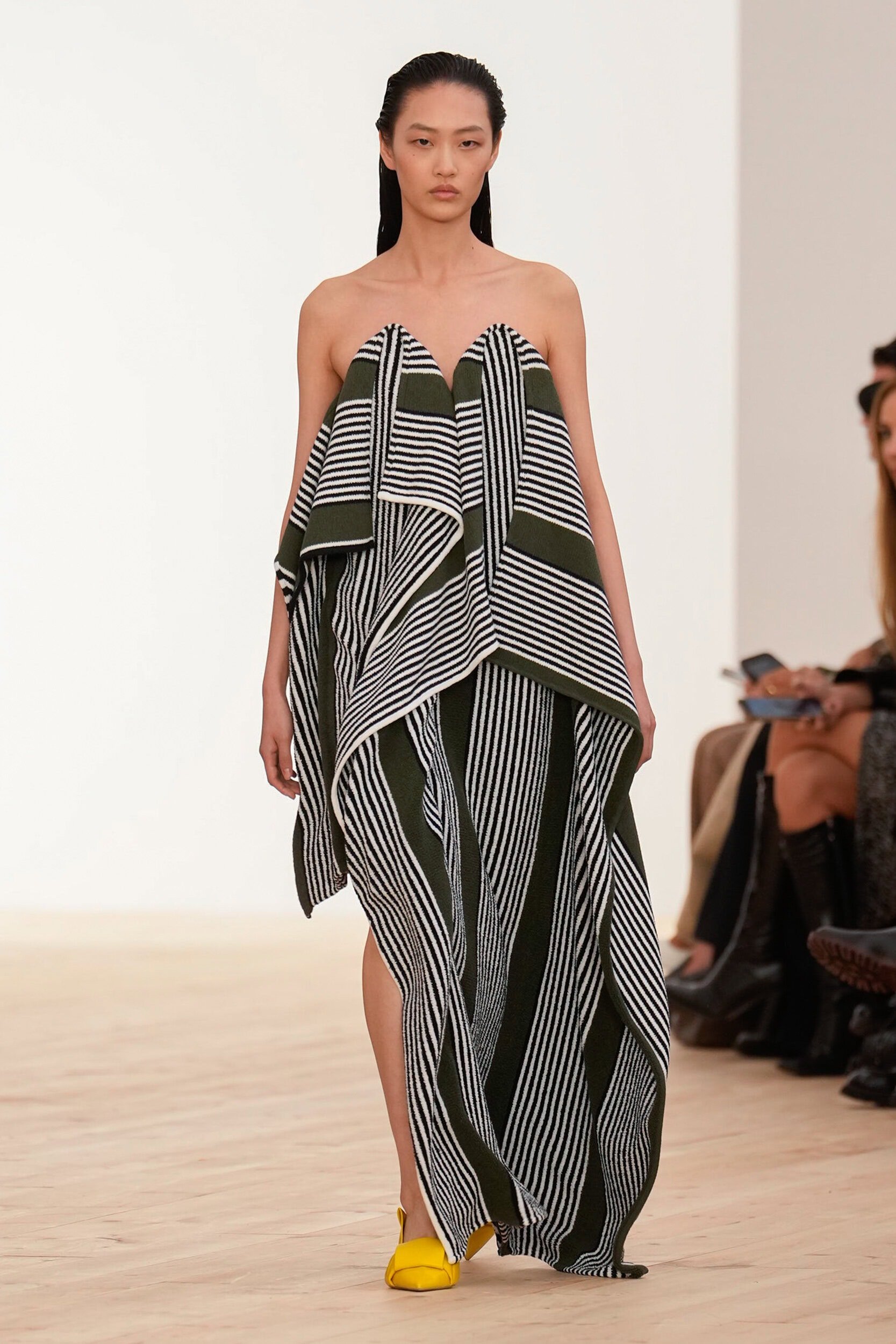
Loewe 2026
Paris Fashion Week (PFW), held biannually, stands as one of the premier fashion events in the world, showcasing the latest trends and innovations in the industry. The Fall/Winter 2023 edition was a spectacular display of creativity, artistry, and forward-thinking design. This season, designers embraced a tapestry of styles, blending nostalgia with contemporary flair. The industry resets its imagination there. The Fall/Winter 2026 season was especially telling: Parisian designers pushed fashion toward bolder shapes, whimsical nostalgia, and experimental sensuality rather than replicating trends from New York, London, or Milan.
Architectural Softness
Architectural softness, a concept that blends hard structure with flowing materials, was one of the most notable trends during Paris Fashion Week. Sharply cut clothing has always relied on rigid structure and heavy textiles to keep their form. But this season, designers experimented with lightweight, delicate materials to create sculptural forms. While skirts retained dramatic geometric forms while seeming nearly weightless, blazers had exaggerated shoulders and were made of flowing materials that permitted mobility. The contrast between strong forms and soft textures created garments that looked bold yet graceful. This fashion is a contemporary take on power dressing, in which balance rather than rigidity is used to convey confidence. Designers employed softness to make rigid clothes more wearable and lively rather than focusing solely on precise tailoring.
Hyper-Dimensional Fashion
Hyper-dimensional fashion, which is defined by apparel that extends beyond the conventional flat surface of clothes, is another new trend. Designers incorporated three-dimensional elements such as sculpted flowers, raised textures, layered fabric panels, and sculptural embellishments. By adding depth and movement, these embellishments transformed clothing into works that visually interact with space and light. Many of the designs were more like wearable sculptures than traditional apparel. Coats had multilayer panels that moved as models walked the runway, and dresses had floating forms that seemed to sprout out of the cloth. This style is a reflection of fashion's growing relationship with art and digital culture, where the experience of clothes is greatly influenced by visual impact, both in person and through photographs.
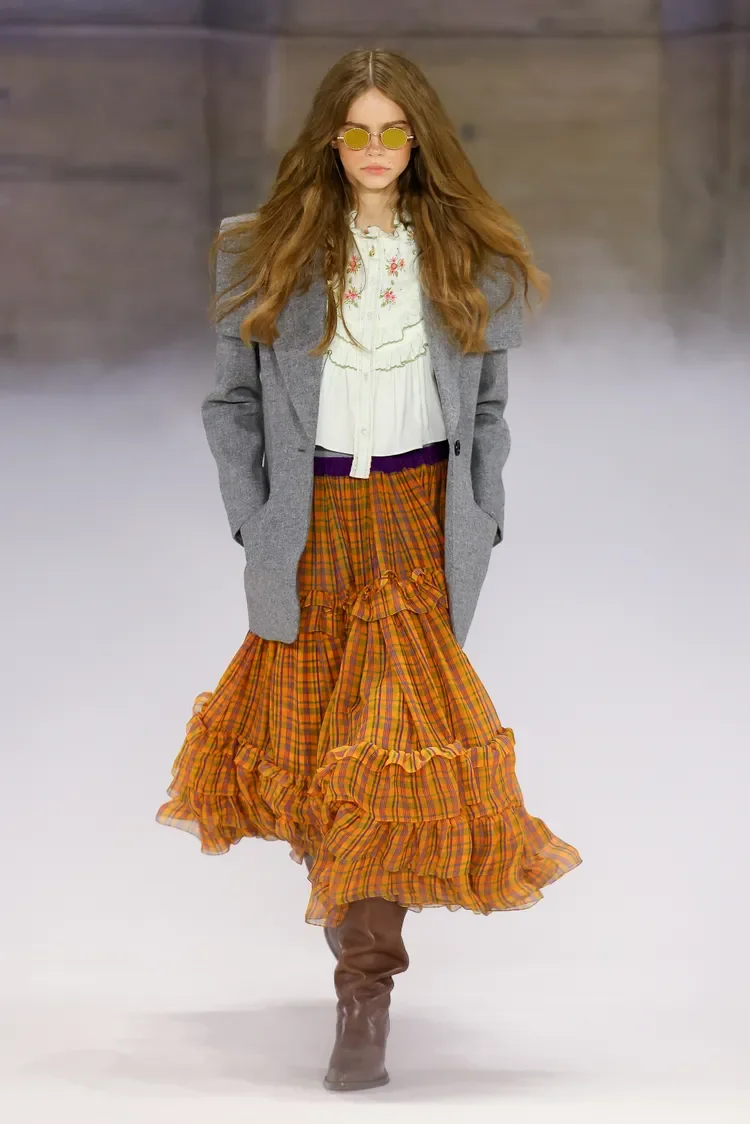
Chloé 2026
Retro-Futurism
Retro-futurism, a design philosophy that combines nostalgia with forward-thinking innovation, was another distinguishing movement. Designers used futuristic materials and style to reimagine shapes from earlier decades, especially the 1970s and early 2000s. Vintage-inspired styles like flared pants and structured jackets were combined with metallic fabrics, vinyl textures, and shiny surfaces. Avant-garde designer Rick Owens embodied this trend with dramatic silhouettes that felt both historical and futuristic. His collections featured oversized coats and sculptural garments that looked almost otherworldly, as if they belonged to a futuristic interpretation of past fashion. Retro-futurism highlights fashion’s ability to recycle history while simultaneously imagining new possibilities.
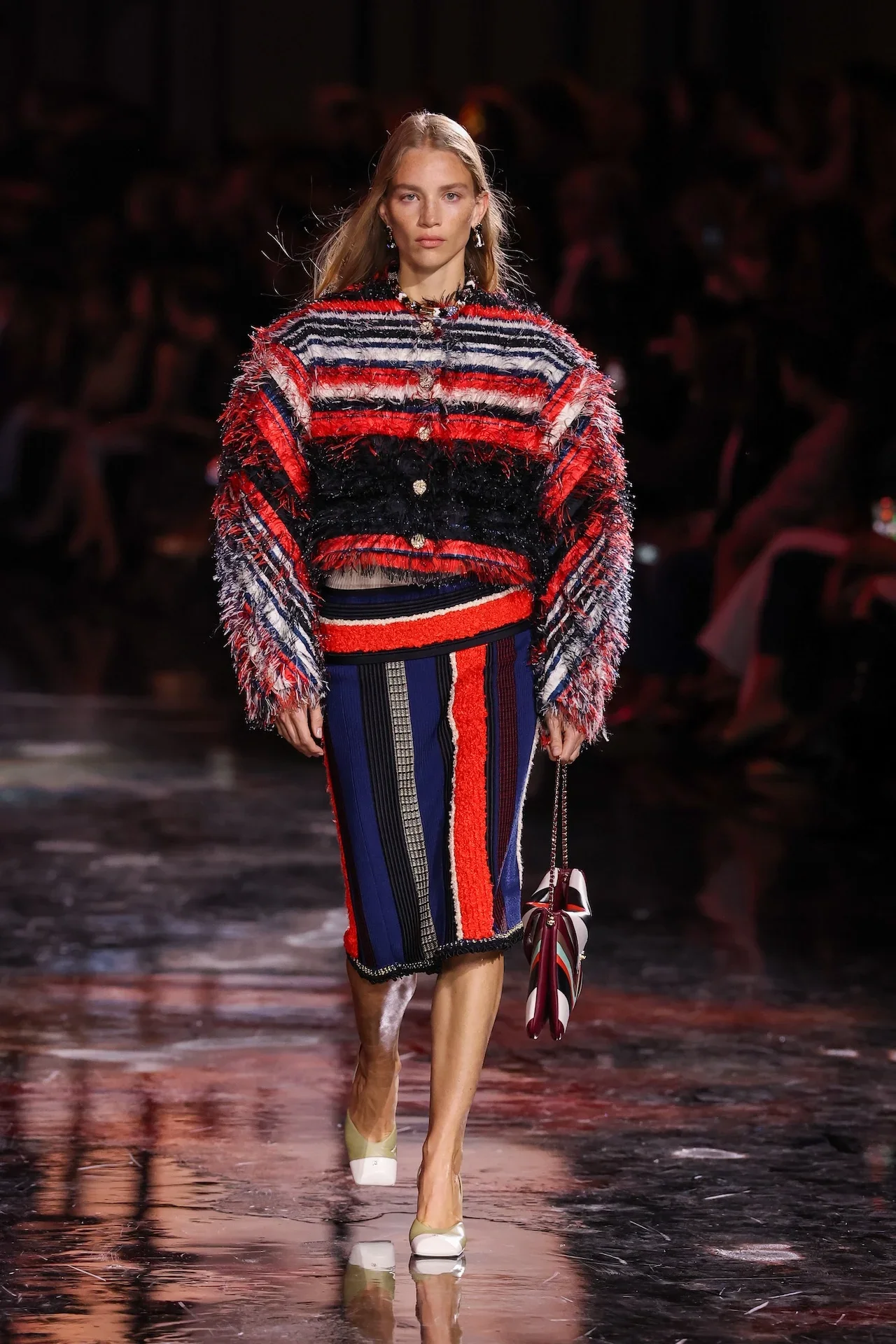
Chanel 2026 (Matthieu Blazy)
Designers Who Stood Out
Although the season's overarching atmosphere was determined by trends, a few designers distinguished themselves for their avant-garde shows. Jonathan Anderson of Dior was one among the most talked-about; his designs blended humorous modern elements with historical allusions. The renowned design label was revitalized with dramatic shapes, sculptural footwear, and jeans adorned with crystals. Chanel's designers presented modern takes on timeless tweed coats and sophisticated evening clothing, emphasizing understated refinement and workmanship. These designs showed how classic styles may be updated with contemporary materials and proportions. Meanwhile, experimental designers like Rick Owens continued to push the boundaries of traditional fashion by presenting dramatic silhouettes and theatrical runway presentations that blurred the line between clothing and performance art.
New Designs That Captured Attention
Critics and viewers were drawn to a number of avant-garde designs at Paris Fashion Week. Among the most prominent was denim with crystal embellishments, which turned ordinary jackets and pants into glitzy show pieces. Additionally, designers experimented with floating skirt constructions, which are clothing pieces designed to support sculptural shapes while seeming very weightless. Sheer layering, in which translucent materials were layered over structured clothing to produce apparent depth and movement, was another well-liked design method. Finally, transparent outerwear, such as clear vinyl coats, became a surprising highlight. These garments allowed the full outfit beneath to remain visible, turning outerwear into a framing device rather than simply a protective layer.
Conclusion
Paris Fashion Week's Fall/Winter 2026 season showed how fashion is changing to become more unique and creative. A move away from strict fashion standards is seen in trends like architectural softness, hyper-dimensional design, subtle sensuality, retro-futurism, and the personality wardrobe.
Rather, designers are promoting experimentation and individual interpretation, enabling apparel to become a means of expressing oneself. As these concepts advance, they will probably have an impact on daily fashion as well as high fashion, influencing the industry's direction for next seasons.
