Four Cities, Four Flavors
Food is more than simply nutrition; it provides insight into a city's history, culture, and character. While everyone dreams of trying sushi in Tokyo or spaghetti in Rome, some of the world's most memorable culinary experiences are off the usual route. These four cities provide a feast for the imagination as well as the stomach, with busy marketplaces and quiet family-run cafés.
Bologna, Italy
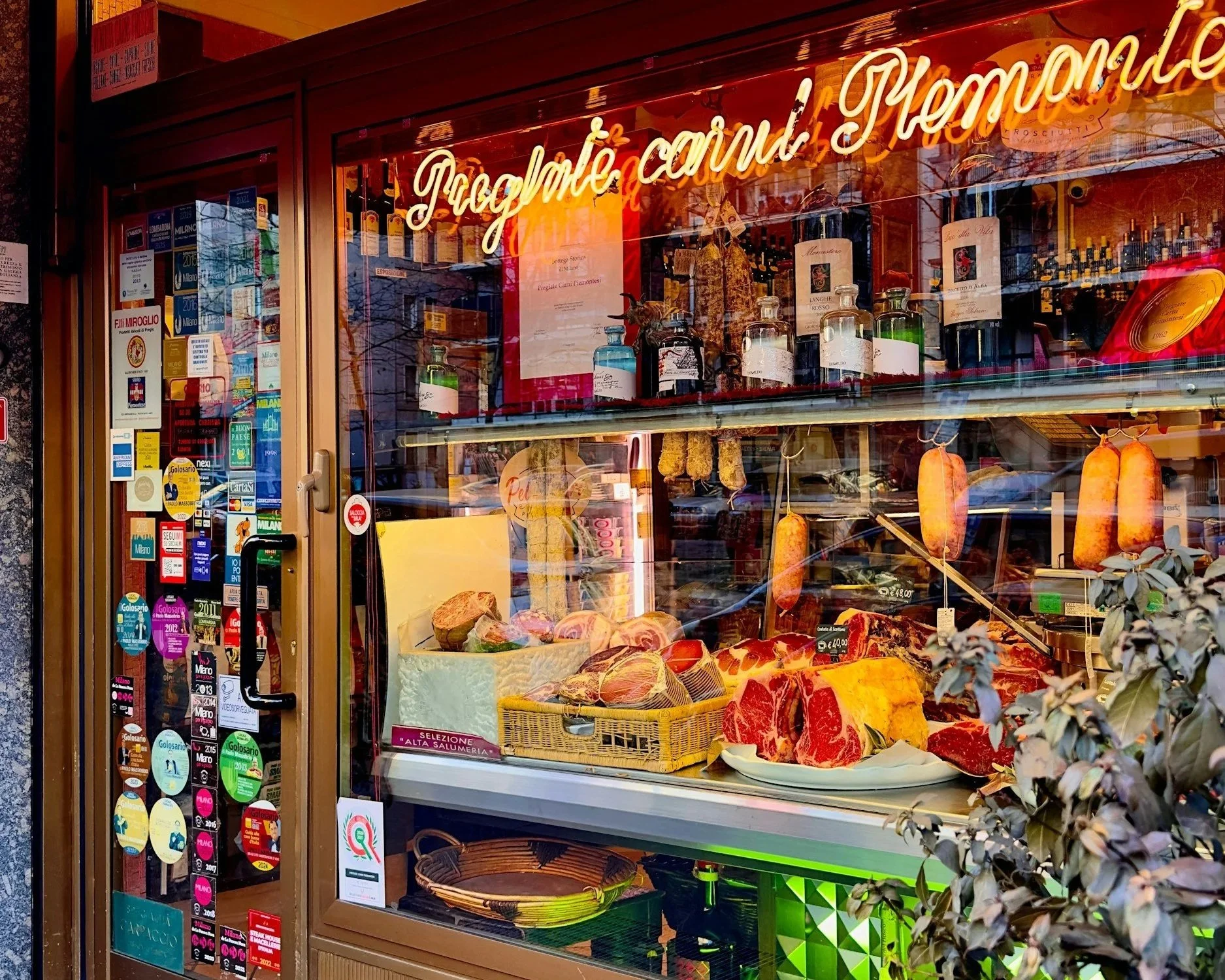
Bologna is Italy's culinary capital, where fresh pasta, handmade meats, and traditional dishes are celebrated. The city's cuisine is based on family, community, and technique. The most well-known meal is Tagliatelle al Ragù, which is a slow-cooked beef sauce served over fresh, hand-rolled pasta. The sauce is cooked for hours, mixing beef, pig, tomato, and aromatics to create a deep, rich taste. Tagliatelle is rolled thin and cut by hand, ensuring that the sauce adheres correctly. This recipe exemplifies Bologna's emphasis on patience, care, and respect for ingredients. Another renowned cuisine is mortadella, a delicately flavored sausage with Renaissance origins. When poorly made or mass-produced, it loses its nuanced flavor, which is why Bologna’s version stands out. Eating in Bologna is intimate and immersive—dishes are made to be savored, connecting diners to centuries of Italian culinary craftsmanship.
Fez, Morocco
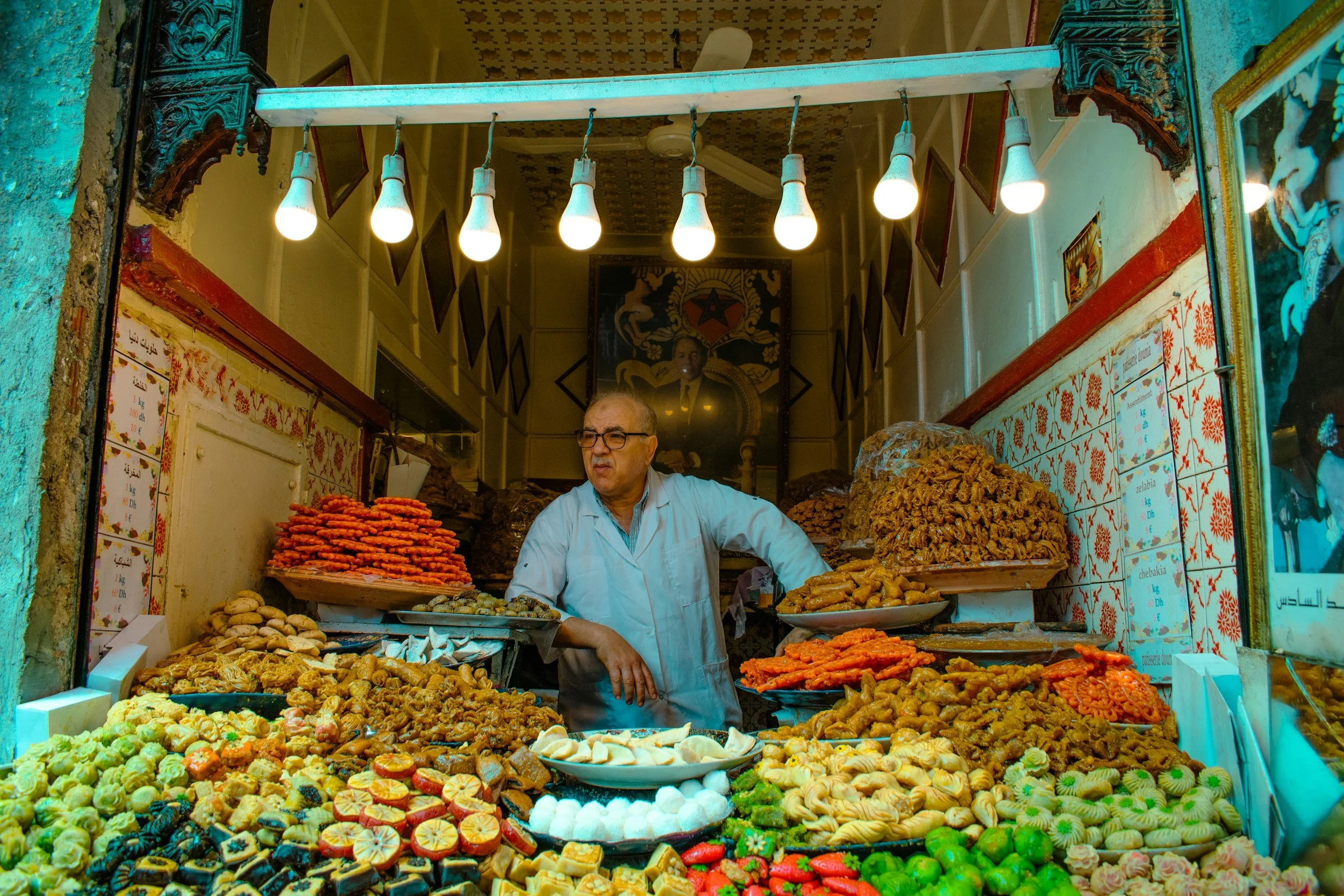
Fez is Morocco's spiritual and agricultural center. Its medina is lined with small lanes and colorful souks, where the aromas of cumin, saffron, preserved lemons, and fresh bread combine to tell the story of centuries of commerce and cultural mixing. Pastilla, the city's most renowned food, is a sweet-and-savory pie filled with pigeon or chicken, almonds, cinnamon, and sugar wrapped in thin, flaky dough. Pastilla is a labor-intensive dish: meat is slow-cooked with spices, almonds are roasted, and the pastry is painstakingly piled for crispness. The meal was historically served on royal tables during festivals, representing opulence and elegance. Another staple is Harira, a thick lentil and tomato soup eaten to break the fast during Ramadan. It’s simmered slowly with herbs and spices, representing hospitality and spiritual reflection. Fez’s food reflects the blending of Berber, Arab, and Andalusian influences, making every bite a lesson in history, flavor, and tradition.
Puebla, Mexico
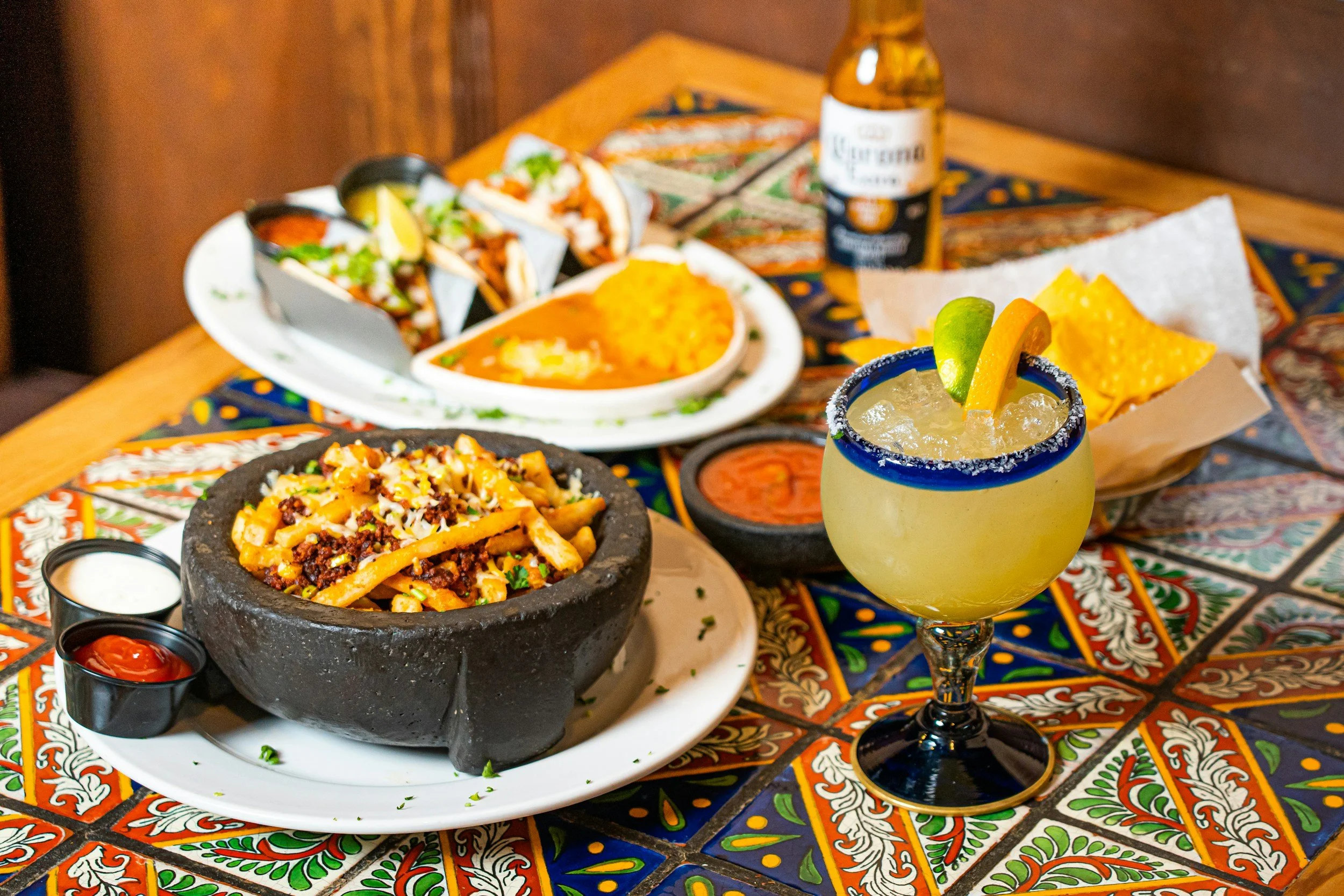
Puebla's cuisine is a vibrant tapestry woven from indigenous and Spanish colonial elements. Its cuisine reflects religious devotion, local pride, and centuries of culinary innovation. The most famous dish is Mole Poblano, a rich, black sauce composed of over twenty ingredients, including dried chiles, chocolate, almonds, and spices. Traditionally, the sauce is slow-cooked over low heat to let the flavors combine and create a nuanced, balanced meal. According to legend, nuns in the seventeenth century made mole to dazzle visiting archbishops by combining local and foreign ingredients. Today, mole is eaten with chicken or turkey during festivals. Another celebrated dish is Chiles en Nogada, featuring poblano peppers stuffed with a mixture of meat, fruits, and spices, topped with a creamy walnut sauce and pomegranate seeds. Its colors mirror the Mexican flag, making it not just a meal but a patriotic symbol. Puebla’s dishes are layered with meaning, history, and symbolism, offering a culinary experience that goes beyond flavor to celebrate tradition, family, and identity.
Istanbul, Turkey
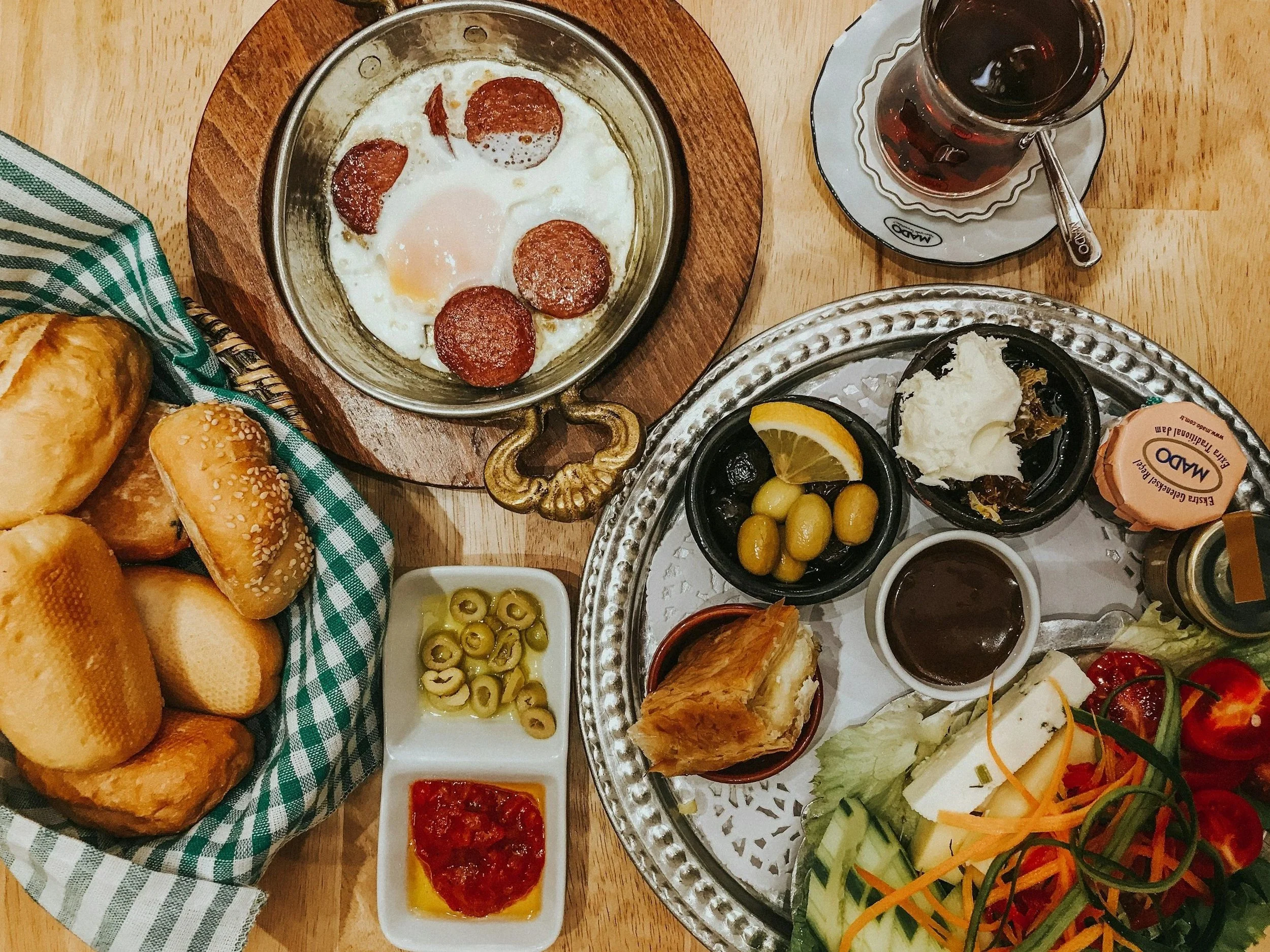
Istanbul is a city that brings continents together, and its food reflects centuries of cultural interchange. The city, located on the Bosphorus Strait, has historically served as a hub for commerce, travelers, and emperors, and its cuisine reflects its rich past. Every meal in Istanbul reflects the city's variety, with cuisines from the Middle East, Mediterranean, and Central Asia. Balık Ekmek, a popular street meal in Istanbul, consists of grilled fish served in fresh bread with herbs, onions, and lemon juice. The fish, usually mackerel or bonito, is briefly marinated and then grilled over hot coals until the skin crisps and the meat stays juicy. Vendors serve it directly from the boat or street booth, capturing the freshness of the Bosphorus waters. Balık Ekmek originated as a simple and delicious lunch for dockworkers and fishermen over several decades. Over time, it became a cultural symbol, beloved by both residents and tourists for its simplicity and genuineness. Istanbul also has a tradition of Ottoman-era food, ranging from delicate desserts like baklava to thick, spicy stews like köfte and lamb. Baklava, which consists of layers of filo dough, almonds, and syrup, developed in the Ottoman Empire's royal kitchens, where cooks mastered the balance of sweetness, texture, and scent. Meanwhile, street foods like simit, roasted chestnuts, and freshly squeezed pomegranate juice showcase the city’s accessibility and vibrant culinary street culture.
