Travel to challenge: 4 destinations that will change you

Travel is more than just sightseeing; it is about facing new viewpoints, pushing your limitations, and thinking on the world in ways that broaden your mind. Some places do more than just provide picturesque views or Instagram-worthy moments; they challenge you culturally, intellectually, and physically. Here are four transforming locations: a metropolis, a rural area, and an adventurous island that will test you on every step.
Kyoto, Japan
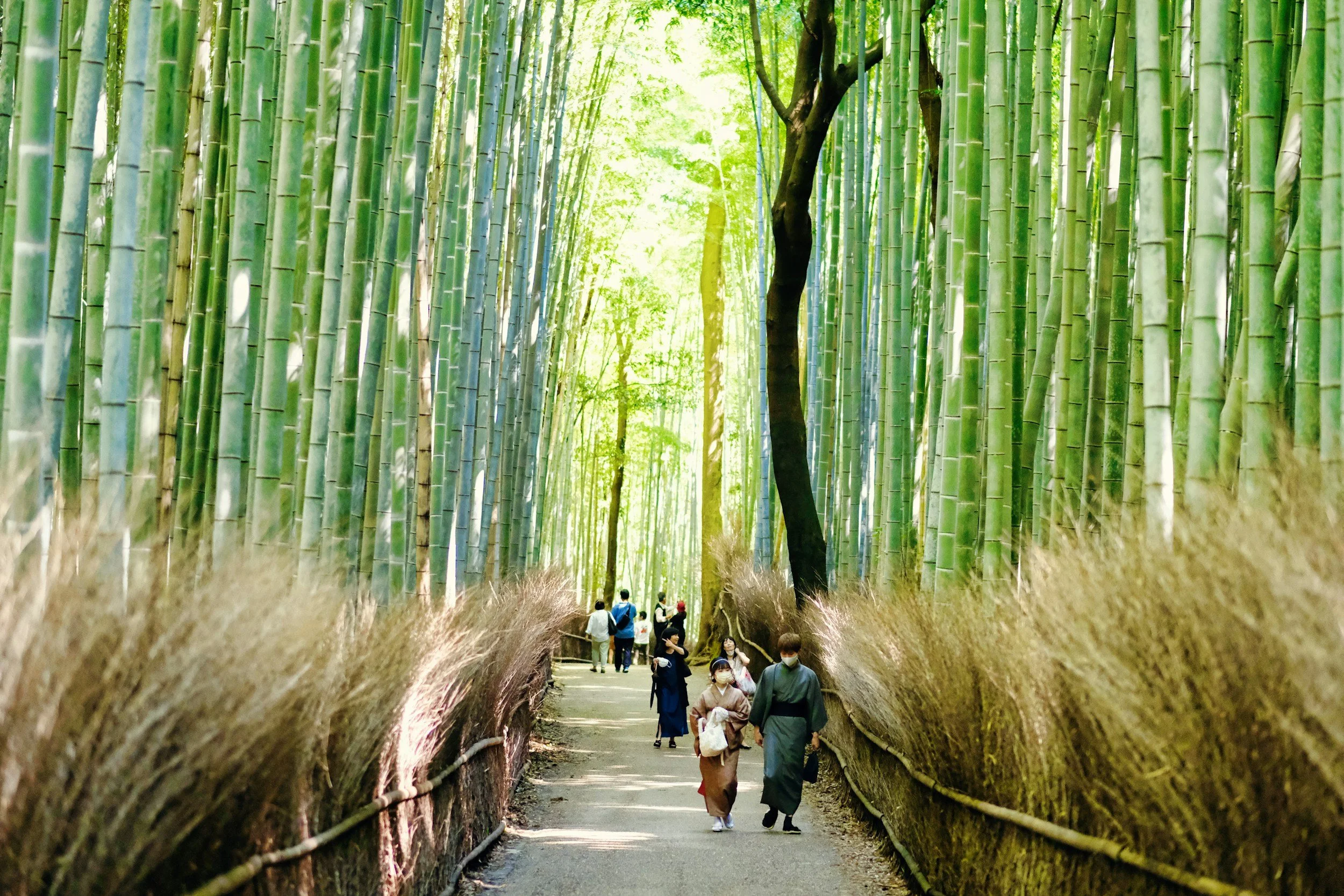
Kyoto is Japan's cultural hub, with centuries-old temples, tranquil gardens, and careful traditions dominating daily life. Unlike Tokyo's bustling vitality, Kyoto encourages tourists to settle down and appreciate subtleties. Participating in a traditional tea ceremony is more than just drinking tea; it is a kind of meditation. Every gesture, movement, and breath has significance, and comprehending the philosophy underlying this practice takes time, attention, and meditation.
Walking through Kyoto's temples and Zen gardens exposes visitors to the intellectual rigor of Japanese aesthetics, which values minimalism, harmony, and symbolism. Even the city's construction promotes contemplation: wooden lattices, stone walkways, and paper sliding doors are intended to direct attention and raise consciousness. Kyoto questions ideas about how society works, what beauty is, and how cultural practices influence cognition. Every instant here teaches us something about history, philosophy, and human creativity.
St. Petersburg, Russia
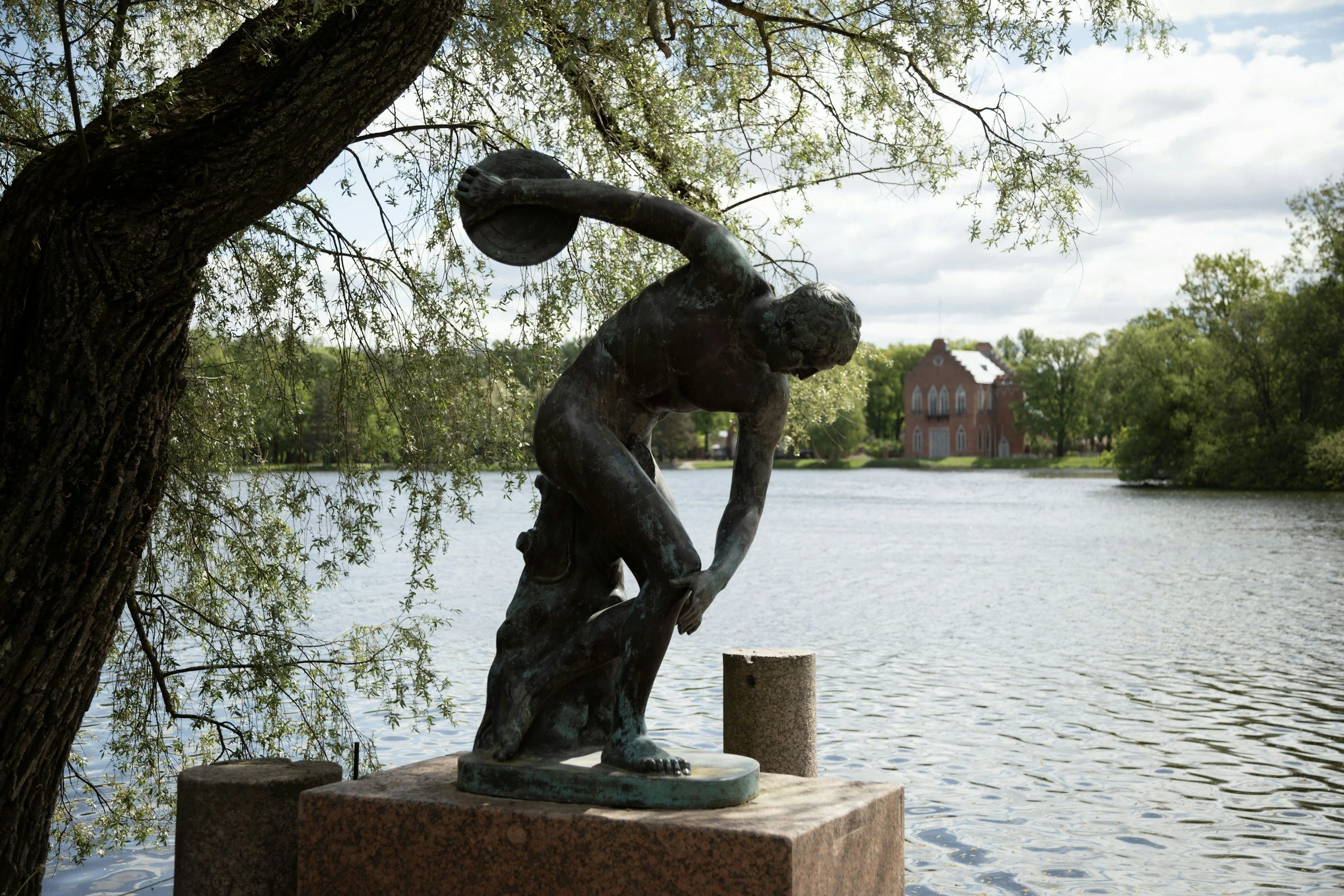
Traveling to St. Petersburg, Russia, is frequently characterized as entering a large, European-style city with imperial grandeur, exquisite waterways, and world-renowned museums. However, underlying this approachable exterior lurks a depth of cultural intricacy that may test even the most experienced travelers. Communication and social standards were among the earliest cultural barriers. While English is becoming more prevalent in hotels, important attractions, and certain restaurants, outside of these areas, inhabitants largely speak Russian. However, the difficulty is not only linguistic. Women are obliged to cover their heads, and both men and women should avoid dressing too casually inside hallowed locations. Finally, comprehending the historical and social background adds a further layer of intricacy. St. Petersburg is a city of contrasts: its palaces and museums evoke imperial majesty, yet Soviet-era monuments and industrial areas tell a distinct tale of struggle and endurance. Travelers who fail to grasp this layered history may misinterpret the city’s character or overlook the significance of seemingly ordinary streets, buildings, and public art.
Rajasthan, India
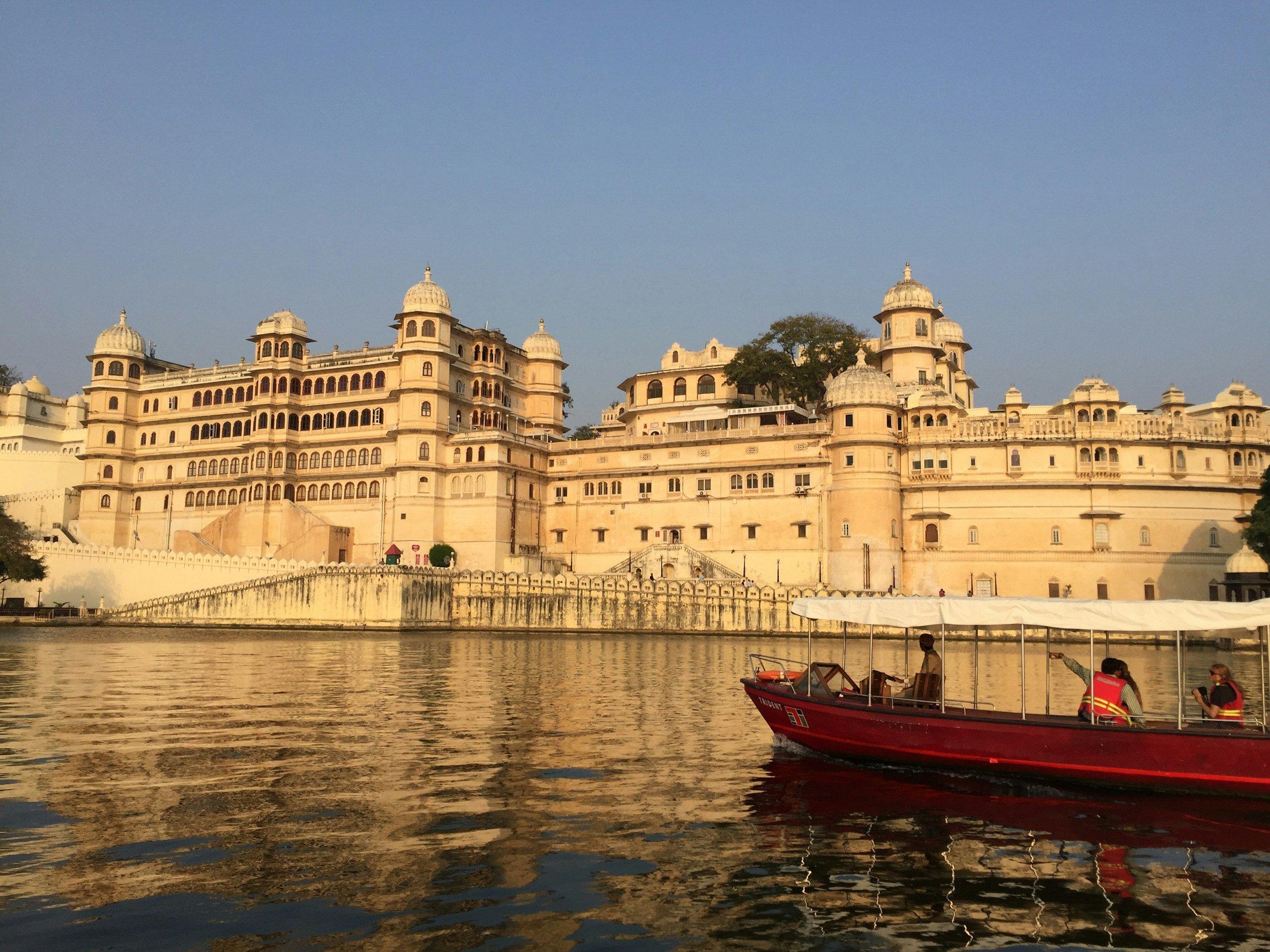
Rajasthan, a huge desert region in northern India, offers a dramatic contrast to metropolitan life. Its dry terrain, bright forts, and distant communities challenge tourists both academically and emotionally. Driving through the Thar Desert or visiting small rural settlements challenges preconceived notions about resourcefulness, hierarchy, and human adaptability. In Rajasthan, life is both beautiful and hard. Traditional crafts, vivid fabrics, and centuries-old architectural wonders depict a historically rich nation, but daily life is molded by poverty and survival. Visiting local festivals, mingling with craftspeople, and crossing arid landscapes require tourists to watch closely and adjust to unusual social conventions. Rajasthan’s rural regions teach resilience, patience, and the importance of understanding context—lessons that go far beyond what guidebooks can explain.
Socotra, Yemen

Socotra, sometimes known as the "Galápagos of the Indian Ocean," is a desolate island that feels like another world. Its surreal settings, with dragon blood trees, limestone mountains, and gorgeous beaches, test travelers physically, psychologically, and intellectually. Accessing the island is an experience in itself, requiring careful preparation and flexibility. Once there, Socotra challenges visitors to confront solitude and vulnerability. The island's extraordinary variety evokes amazement, inspiring thought about evolution, ecology, and humanity's relationship with nature. Hiking rugged terrain, exploring hidden coves, and engaging with local communities teaches self-reliance, humility, and environmental awareness. Socotra is not just a place to visit—it’s a lesson in adaptation, curiosity, and stewardship of the natural world.
