St. Patrick’s Day: Honoring the history of Ireland

As Americans, we celebrate St. Patrick's Day on March 17th with parades, green attire, and beer, but we may not fully understand the holiday's historical and cultural significance in Ireland. Originally a religious holiday, it marks the anniversary of his death in the 5th century. St. Patrick is credited with bringing Christianity to Ireland and using the three-leafed shamrock to explain the Holy Trinity.
In Ireland, the day is a public holiday, celebrated with parades, music, and cultural events. It's a day for national pride, showcasing Irish heritage and traditions. Beyond its religious roots, St. Patrick's Day has become a global celebration of Irish culture, recognized and celebrated worldwide.
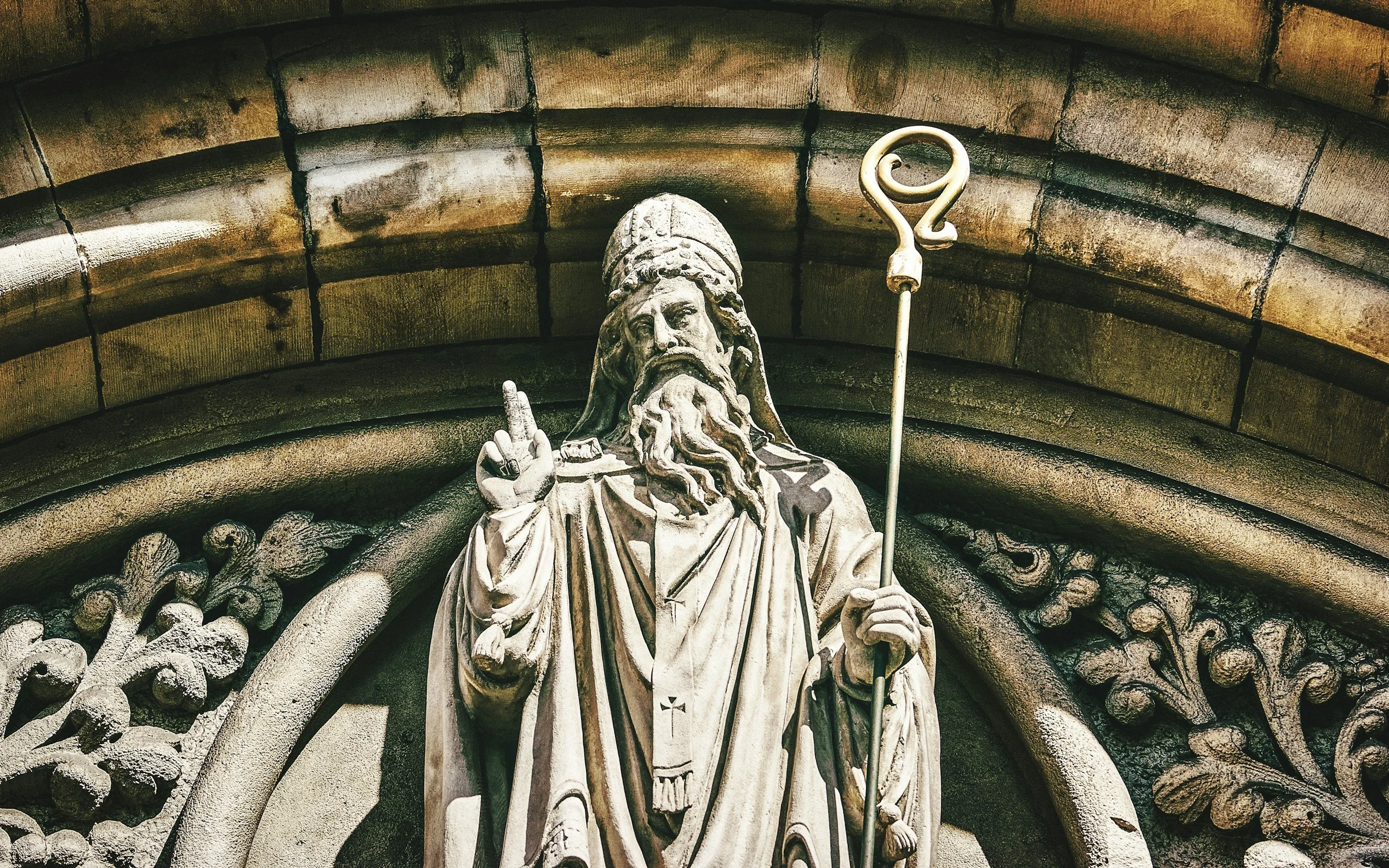
Saint Patrick’s Life
Patrick was born around 385 AD in Roman Britain, likely in what is now Wales. At the age of 16, he was captured by Irish pirates during a raid and taken to Ireland as a slave, where he tended sheep for six years. During his captivity, Patrick turned to Christianity for solace. He had visions and prayers that helped strengthen his faith. This period of isolation allowed him to develop a deep spiritual connection and understand his calling. After escaping back to Britain, Patrick trained as a priest. He felt called to return to Ireland to convert the Irish people to Christianity. This decision was significant, indicating his dedication to fulfilling what he believed was a divine mission.
Religious Teachings in Ireland
Patrick’s approach to spreading Christianity was notable for its cultural sensitivity. He understood the existing Irish beliefs and traditions, using local customs and symbols to convey Christian teachings. For example, he integrated the shamrock into his sermons, making complex theological concepts more accessible. Patrick traveled extensively across Ireland, baptizing thousands and establishing churches, schools, and monasteries. His method involved direct engagement with local leaders, converting them and encouraging their followers to embrace Christianity.
Patrick faced significant challenges, including opposition from pagan chieftains and druids. His intelligence and diplomacy enabled him to navigate conflicts, using persuasion more often than confrontation. Many traditions, including tales of him challenging and debating local druids, emerged from these encounters. He is credited with organizing the church in Ireland and establishing a structured hierarchy of bishops and clergy. He emphasized the importance of education, leading to the founding of monasteries that became centers of learning and culture.
Patrick's efforts laid the foundation for Christianity to flourish in Ireland. By the time of his death, he had significantly transformed the spiritual landscape of the island, leading to widespread acceptance of Christianity among different tribes. His teachings contributed to the development of Celtic Christianity, which blended traditional Irish customs with Christian beliefs. This unique expression of faith emphasized community, nature, and the integration of spiritual life with daily living. After his death on March 17, 461 AD, Patrick's influence continued to grow. He became a symbol of Irish identity and resilience, representing hope and spiritual awakening. His life story was documented in texts like the "Confessio," which provided insights into his mission and the challenges of his era. St. Patrick is now celebrated not only as a religious figure but also as a national emblem of Ireland.
Today, St. Patrick's influence on modern society is multifaceted, affecting religious, cultural, and social realms in significant ways: Celtic Christianity teachings and establishing the Irish identity and culture
