The Origins of Yoga & Medidation
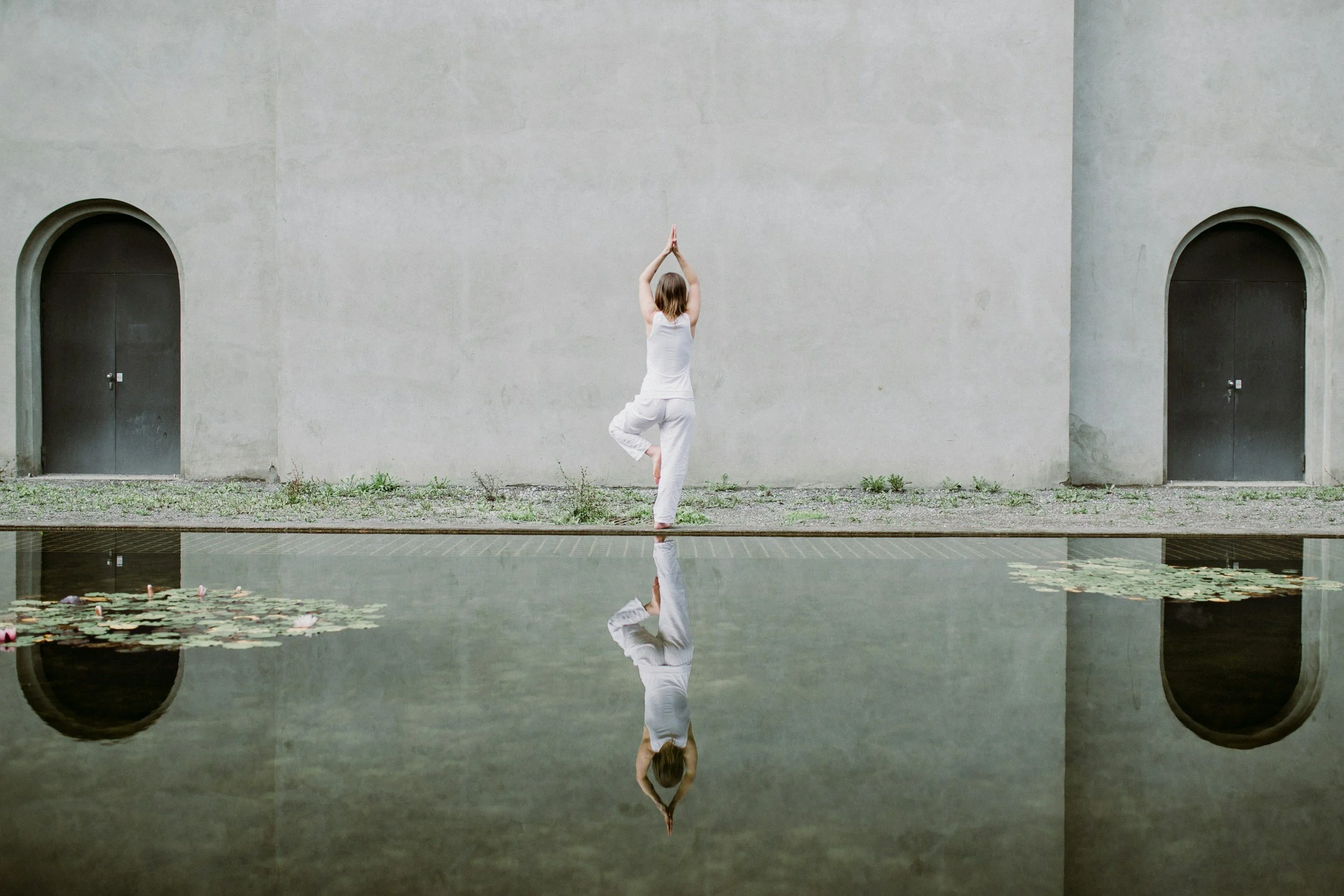
Yoga has become a major part of wellness culture in the United States. For many people, it’s seen as a form of exercise that improves flexibility, strength, and relaxation. The way we breathe during yoga and meditation can calm the nervous system, reduce anxiety, and help people reconnect with themselves mentally and physically.
But yoga is much more than a workout routine. Long before it appeared in modern gyms and wellness studios, yoga was part of an ancient spiritual and philosophical tradition that began thousands of years ago. Understanding its origins helps us appreciate why yoga and meditation continue to be meaningful practices today.
Ancient Roots of Yoga
Yoga originated in ancient India over 5,000 years ago. The earliest evidence of yoga-like practices appears in archaeological artifacts from the Indus Valley Civilization, one of the world’s earliest urban cultures. Some seals and carvings from this civilization depict figures sitting in meditation-like poses, suggesting that early forms of yogic practice already existed.
The word "yoga" comes from the Sanskrit root “yuj,” which means to unite or to join. Traditionally, yoga referred to the union of mind, body, and spirit, as well as the connection between an individual and a greater universal consciousness.
The spiritual origins of yoga are closely tied to the Hindu god Shiva, who is considered the Adi Yogi, or the first yogi. According to legend, Shiva meditated in solitude on Mount Kailash for millennia, mastering both mind and body. Recognizing the transformative power of this practice, he is said to have taught the secrets of yoga to the saptarishis, seven sages tasked with spreading this knowledge across the world. Through this divine lineage, yoga became more than an individual pursuit; it became a sacred science passed down from gods to humans, linking spiritual growth with physical and mental discipline.
Yoga is also deeply interwoven with ancient Indian scriptures. The Vedas (1500–500 BCE) and Upanishads articulate meditation, ethical living, and self-discipline as essential paths to spiritual growth. The Bhagavad Gita, written around the 2nd century BCE, elaborates on various paths of yoga, including karma yoga (selfless action), bhakti yoga (devotion), and jnana yoga (knowledge), highlighting yoga as a holistic system for aligning the human self with the divine. Beyond Hinduism, other Indian spiritual traditions such as Buddhism and Jainism adopted and adapted yogic practices, emphasizing meditation, mindfulness, and ethical conduct as ways to achieve spiritual liberation.
Central to the spiritual philosophy of yoga are concepts like chakras and kundalini energy. Ancient texts describe seven main chakras, or energy centers, along the spine, each corresponding to physical, emotional, and spiritual aspects of life. The kundalini, depicted as a coiled serpent at the base of the spine, represents latent spiritual energy. Through consistent practice of asanas, pranayama, and meditation, this energy can rise through the chakras, culminating in enlightenment—a state of ultimate union with the universe. Many yoga poses, named after animals or natural forms, reflect a reverence for the interconnectedness of all life, underscoring yoga’s philosophical emphasis on harmony between humans and the natural world.
Ancient sacred texts such as the Vedas and later the Upanishads describe early meditative practices and spiritual disciplines that eventually evolved into yoga.
The Philosophy Behind Yoga
One of the most influential texts in yoga philosophy is the Yoga Sutras of Patanjali, written around 200 BCE by the sage Patanjali. This collection of teachings outlines the Eight Limbs of Yoga, which serve as a guide to living a meaningful and disciplined life.
The eight limbs include the following:
Yama – ethical guidelines (honesty, nonviolence, self-control)
Niyama – personal discipline and self-reflection
Asana – physical postures
Pranayama—breath control
Pratyahara – withdrawing from distractions
Dharana – concentration
Dhyana – meditation
Samadhi – deep spiritual awareness or enlightenment
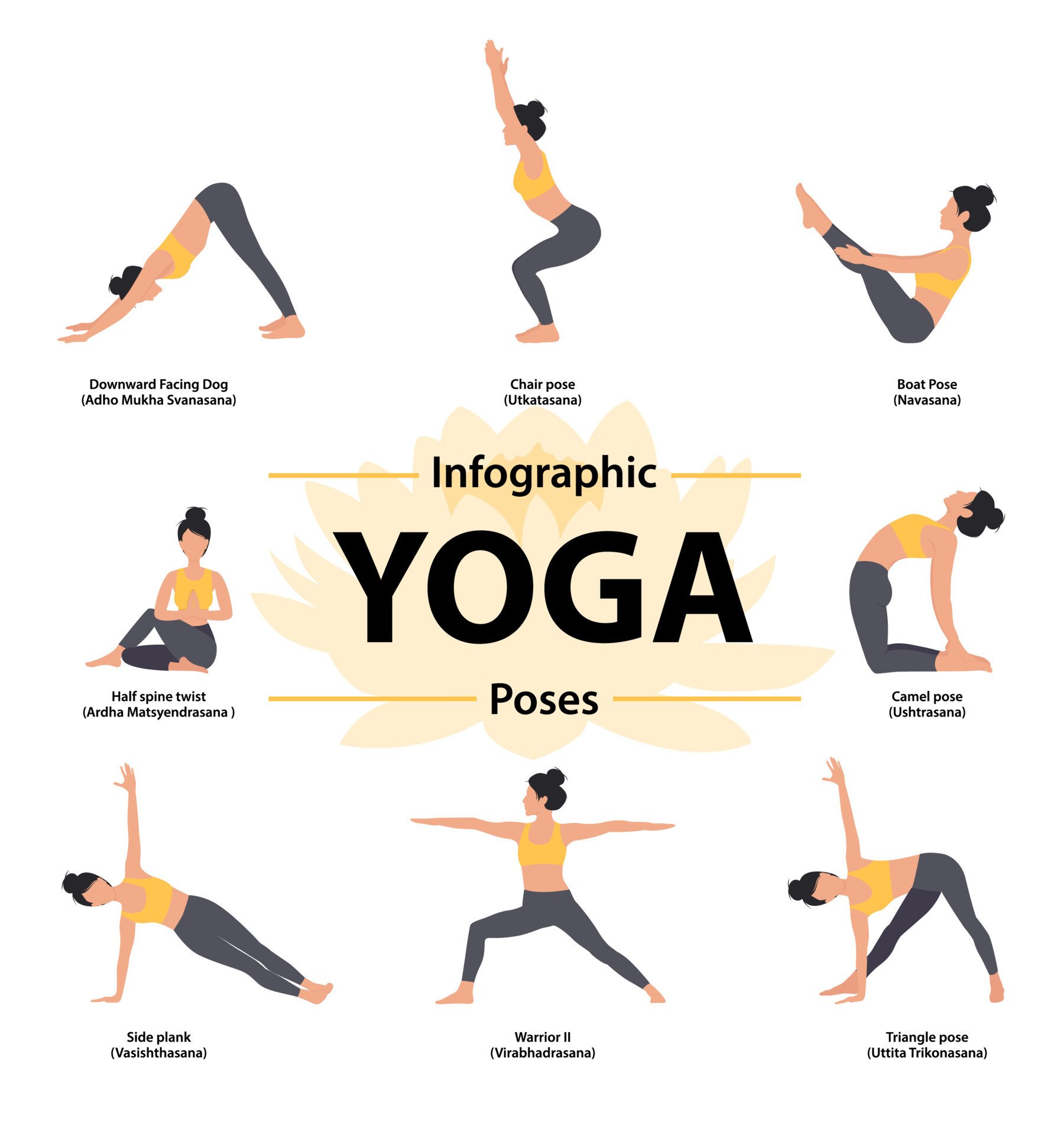
Interestingly, the physical poses (asanas) that many people associate with yoga today were originally just one small part of the practice. The ultimate goal of yoga was spiritual clarity and inner peace.
The Origins of Meditation
Meditation has deep roots in several Eastern traditions, including Hinduism and Buddhism. For thousands of years, meditation has been used as a way to quiet the mind, develop awareness, and gain insight into the nature of reality.
In these traditions, meditation was not simply a relaxation technique—it was a path toward self-discovery and enlightenment. Practitioners learned to observe their thoughts, regulate their breathing, and cultivate inner stillness.
Modern science has also begun to explore meditation’s effects on the brain. Research shows that meditation can help reduce stress, improve focus, and support emotional well-being by calming the body’s stress response.
Global Influence of Yoga

Yoga began spreading to Western countries in the late 19th and early 20th centuries. One of the key figures who introduced yogic philosophy to Western audiences was Swami Vivekananda, who spoke about yoga and spirituality at the Parliament of the World's Religions (1893) in Chicago.
Throughout the 20th century, yoga gradually evolved as it entered Western culture. While traditional yoga focused heavily on meditation and spiritual discipline, modern yoga classes often emphasize physical postures, breathing techniques, and relaxation.
Today, millions of people practice yoga worldwide—not only for physical health, but also for mental clarity and emotional balance.
Yoga beginner videos linked below :)
