Celebrating the Year of the Horse 🐎🏮🎉
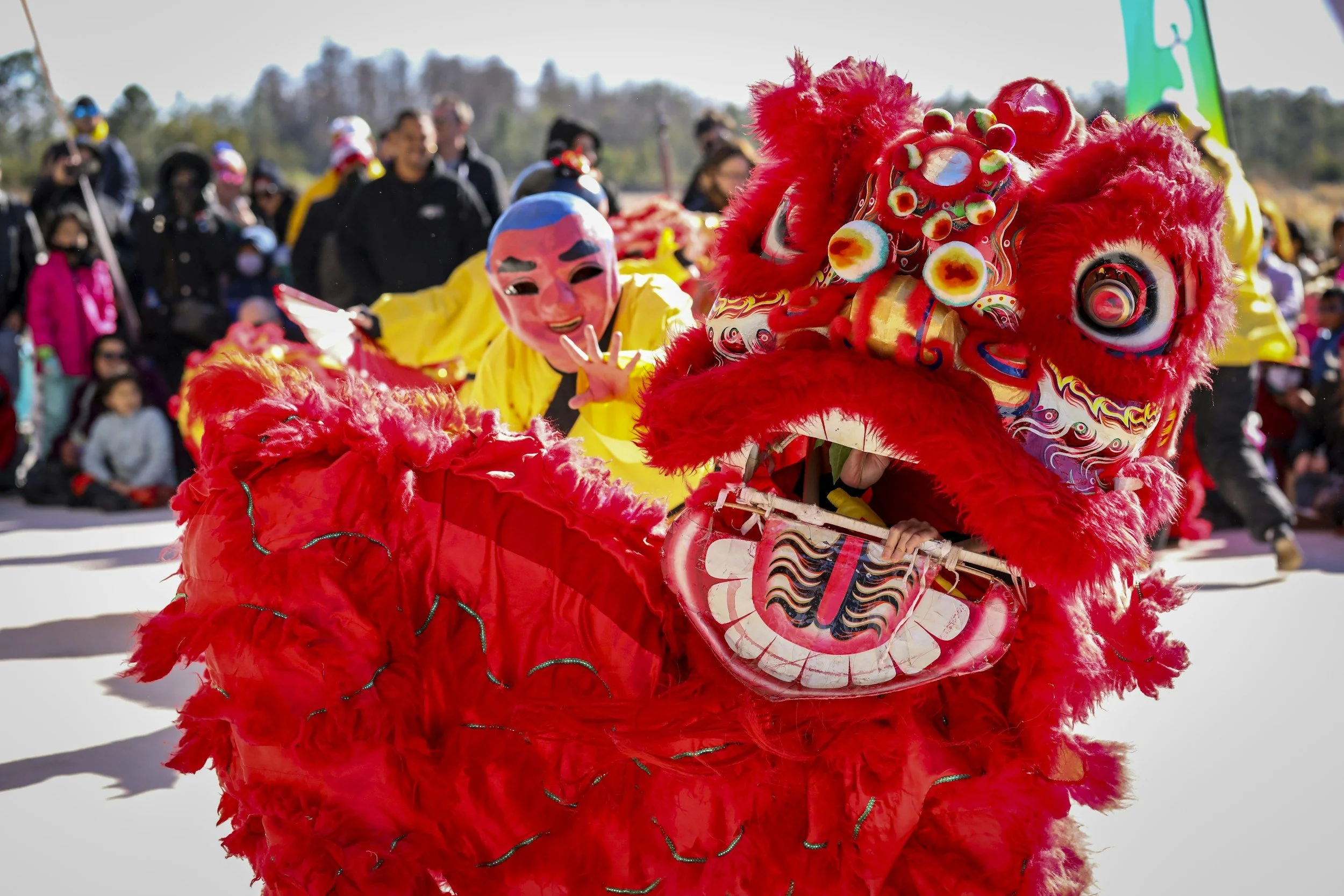
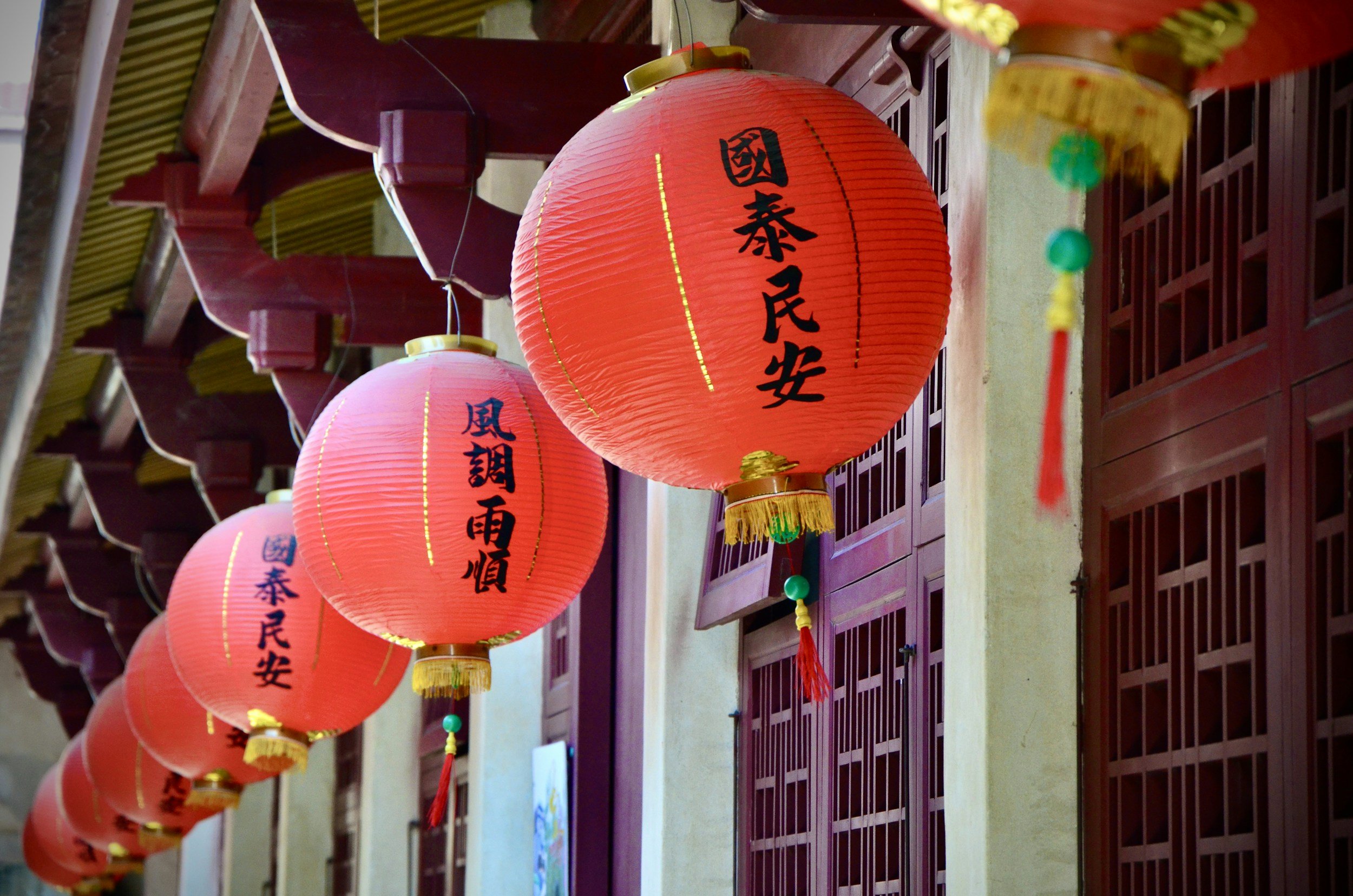
The Chinese Lunar New Year has always fascinated me. When I think about it, I imagine vibrant red lanterns glowing in the night, families gathering around tables filled with symbolic foods, and streets alive with dragon dances and fireworks. It feels spiritual, reflective, and deeply rooted in tradition.
Although I’m not Chinese, I appreciate the philosophy behind celebrating the new year later rather than on January 1st. Sometimes, the pressure to instantly transform your life at the start of the calendar year can feel overwhelming. The Lunar New Year reminds us that growth can happen gradually. Instead of rushing into resolutions, it encourages reflection, renewal, and intentional change.
For many people around the world, this holiday is more than just a celebration—it’s a time to reconnect with family, culture, and personal purpose.
The History Behind Lunar New Year
Chinese Lunar New Year—often called Spring Festival—is the most important traditional holiday in Chinese culture and has been celebrated for over 3,000 years. Its origins trace back to ancient agricultural societies in China that followed a lunar calendar, which is based on the cycles of the moon rather than the sun.
For early farming communities, the arrival of spring marked a critical turning point in the year. Winter represented survival and endurance, while spring symbolized rebirth, planting, and new beginnings. Celebrating the start of spring was a way to honor nature’s cycles and express gratitude for the past harvest while preparing for the one ahead.
One of the most well-known legends associated with the holiday is the story of Nian, a mythical beast that was believed to terrorize villages at the beginning of each year. According to folklore, villagers discovered that the creature feared loud noises, fire, and the color red. To protect themselves, they lit fireworks, hung red decorations, and celebrated loudly—traditions that continue today.
Over centuries, the celebration evolved into a fifteen-day festival filled with customs meant to attract good fortune, prosperity, and happiness for the coming year.
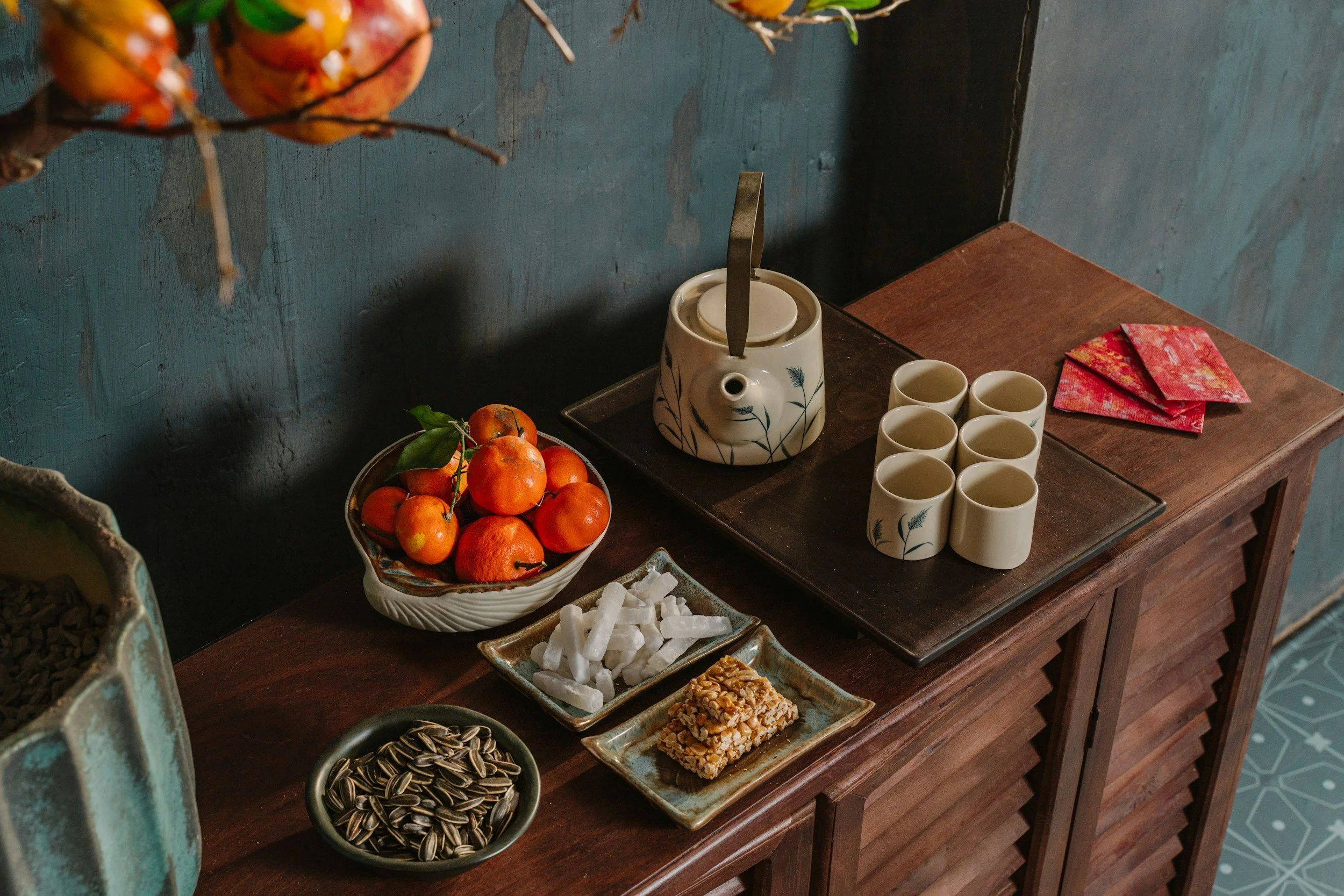
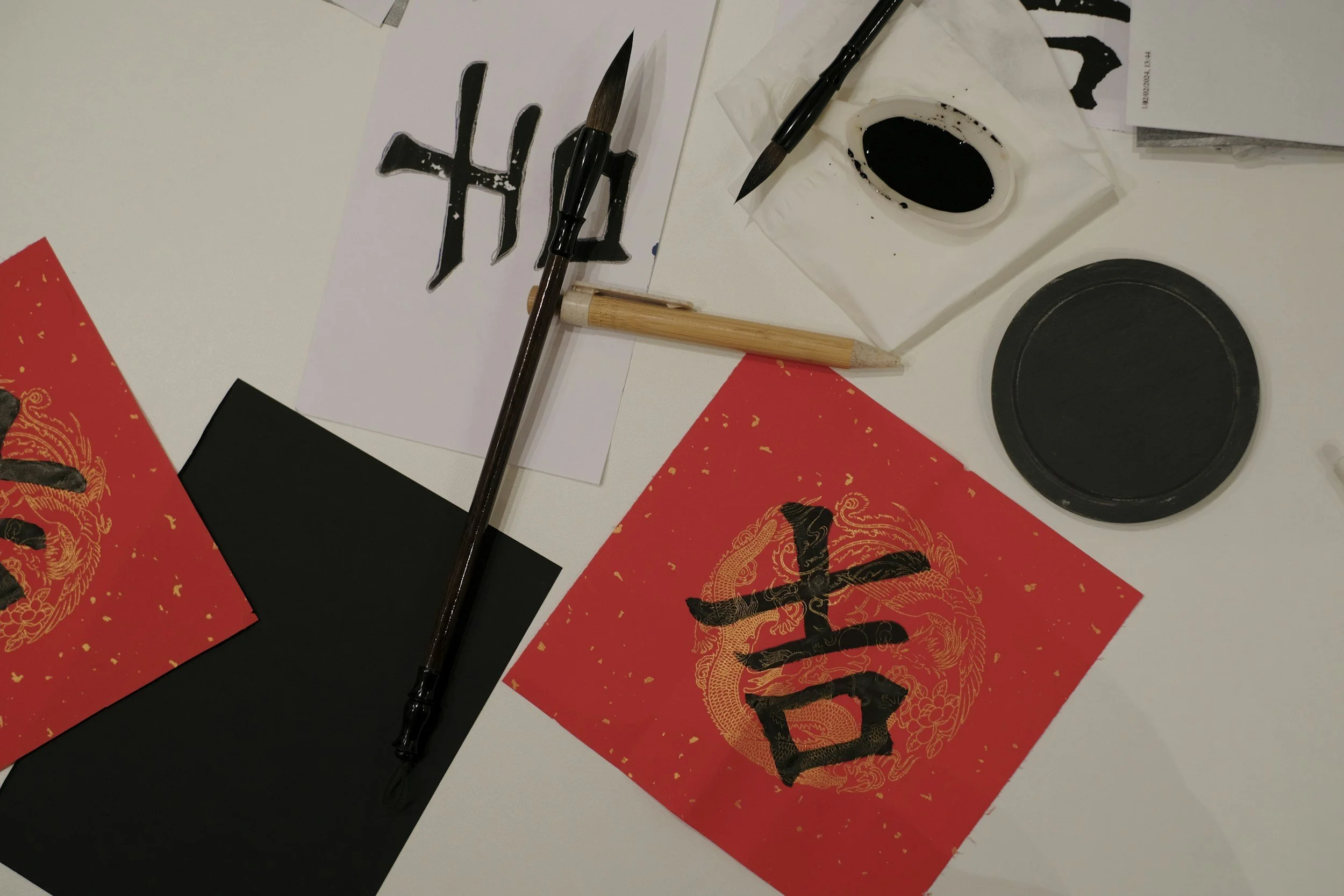
Some traditions include:
Cleaning the house before the new year to sweep away bad luck
Family reunion dinners held on New Year’s Eve
Red envelopes (hongbao) filled with money for children and loved ones
Fireworks and firecrackers to ward off bad spirits
Lantern Festival on the final day, symbolizing hope and unity
At its core, Lunar New Year is deeply meaningful because it emphasizes family, reflection, renewal, and cultural continuity. Many people travel long distances to reunite with their families, making it one of the largest annual human migrations in the world.
Do’s & Don'ts!!!
✅Do’s (Things That Bring Good Luck)
Wear red clothing
Red symbolizes happiness, luck, and prosperity. It is the most common color worn during the holiday.Clean your home before the new year
Cleaning before the holiday helps sweep away bad luck from the past year and prepares the home for new blessings.Eat traditional lucky foods
Foods such as dumplings, fish, and rice cakes symbolize wealth, abundance, and progress.Give red envelopes (hongbao)
Elders give red envelopes filled with money to children and younger family members as a symbol of good fortune.Spend time with family
Family reunions and the New Year’s Eve dinner are one of the most important traditions.Say positive wishes
People greet each other with blessings for prosperity, health, and happiness in the new year.
❌ Don’ts (Things Believed to Bring Bad Luck)
Don’t sweep or take out the trash on New Year’s Day
This is believed to sweep away good luck.
Avoid wearing black or white
These colors are traditionally associated with mourning.Don’t lend or borrow money
Starting the year in debt is considered unlucky.
This is believed to sweep away good luck.Avoid arguing or speaking negatively
Words are thought to influence the tone of the year ahead.Don’t break dishes or objects
Breaking things may symbolize bad fortune or loss.Avoid crying or complaining
The first day of the year should stay joyful and positive.
What the Year of the Horse Represents
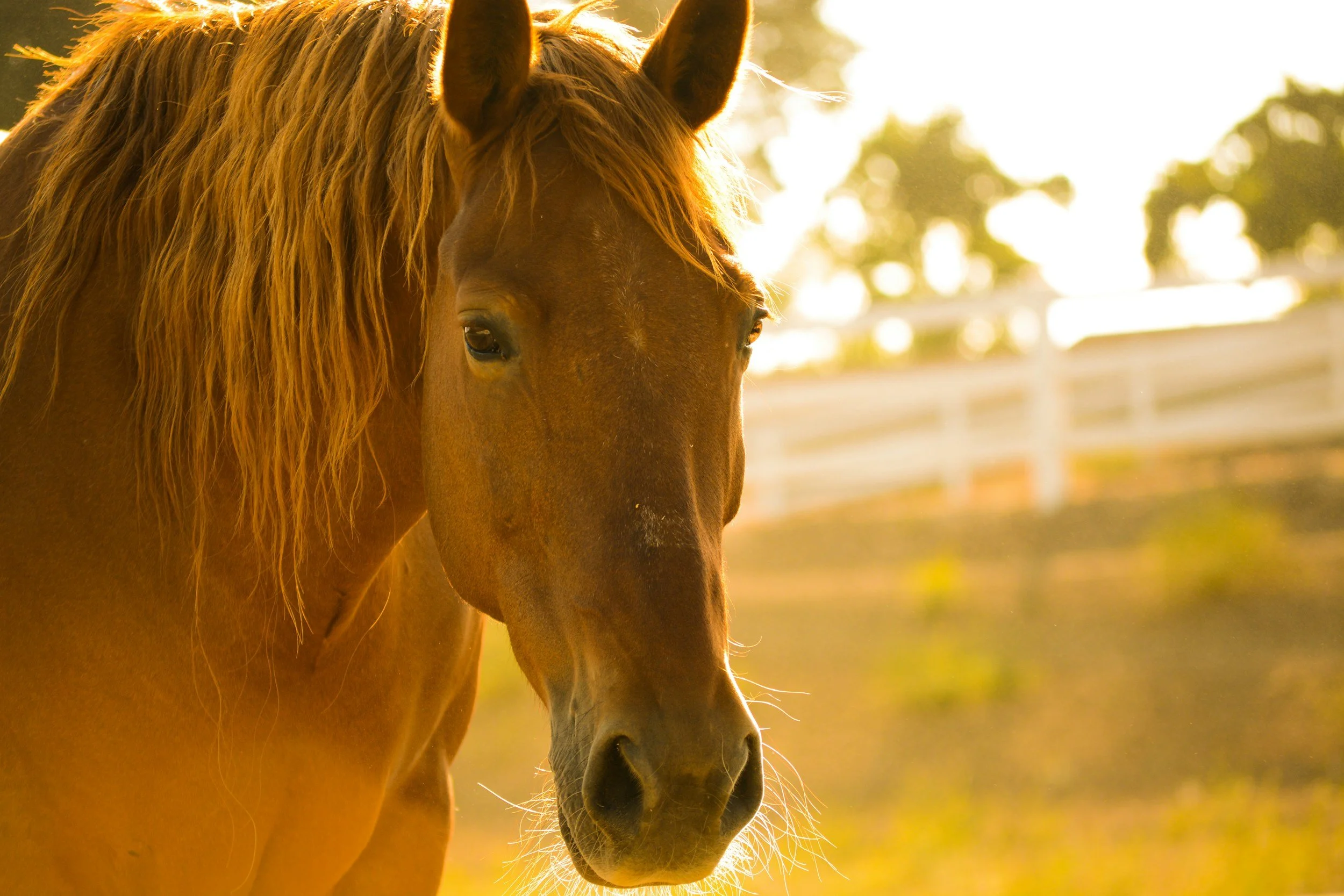
The horse is one of the most dynamic signs in the zodiac. It symbolizes freedom, passion, determination, and movement. People born in horse years are often believed to be energetic, independent, and driven to pursue their dreams.
When combined with certain elements—like fire—the energy of the Horse becomes even more intense. The Fire Horse represents bold transformation, courage, and strong ambition.
Symbolically, a Horse year is often associated with the following:
Pursuing goals with ambition and learning from failures
Taking bold steps and risks toward change and abundance
Embracing independence and personal growth
Moving forward after periods of stagnation
Understanding your flaws and imperfections
Cutting negative people, places and items
However, the horse also reminds people not to move too fast. Passion and excitement are powerful, but balance and patience are equally important.
Just like spring slowly awakens the world after winter, personal transformation often happens step by step. Lunar New Year reminds us that growth is not about immediate perfection—it’s about intention, patience, and progress.
And maybe that’s what makes the celebration so beautiful: it’s not just about welcoming a new year.
To learn more, visit Year of the Horse: Fortune, Personality, Horoscope (2026)
